Passing thoughts
London 2026
inside the venue.
It’s a comedy.
You are sitting in a theater, waiting for a performance to begin. You came to this place because you feel reassured by it. It’s a traditional setting with its well-groomed ushers, rows of numbered seats, and thick velvet curtains still concealing the stage. It smells of polished floor and your seatmate’s cologne. Before arriving, you spent some time dressing up, checked yourself in the mirror, and left home. You went down into the subway. Saturday nights are always crowded in there; squeezing inside the coach made you sweaty. You entered the venue and crossed the hallway to present your ticket to the counter. They indicated where your seat was located, you went through a couple of corridors and you are now waiting for the curtain to rise.
Yet you are hoping to see something new; it is a show you are excited about. There is a dancer you have longed to see on stage for a very long time. Today has finally come. While the room is still filling up, the lights shine brightly, and countless echoes and conversations reach your ears. You still have a good twenty-five minutes before the performance begins. What crosses your mind while waiting? Your head feels quite drowsy. The cologne your seatmate has put on strikes your nose very strongly—hormones have a great deal to do with how a perfume smells on someone’s skin. Perhaps they have been going through a rough time, and the perfume carries it too. It takes very little for even Shalimar to turn sour. If you hold your nose and focus on looking around, you might be distracted by the three hundred glowing rectangles the audience is playing with. So many slight thumb flutters. If you squint a little, the phones they look like fireflies. It feels intimate, as if everybody were sitting together in a circle around a fireplace. Or perhaps it is an invitation to a dream, something soporific but just for themselves.
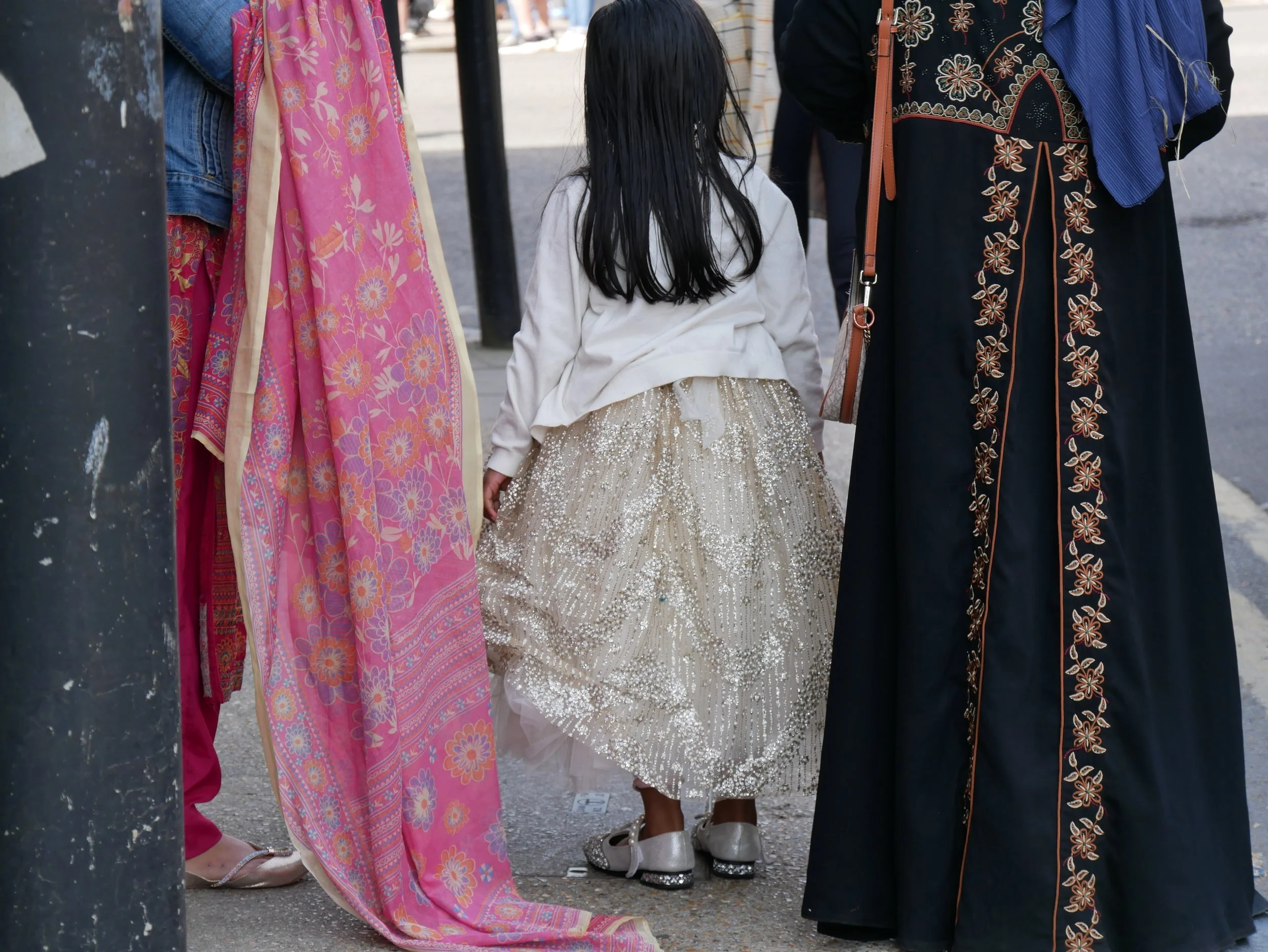
mothers daughter - 2026 - Digital photograph
Could you consider falling asleep during the show? If you’re sleepy, why not? Perhaps in perfect synchrony with the start of the performance? From the very first minute until the end—a single frozen shot, as if you had been plunged into an empty dream framed by the performance itself. It would be pitch black, wouldn’t it? Would you still hear the music? When you fall asleep with the radio on, you never remember the 4 a.m. broadcasts: programs about “the brain activity of chick embryos,” made for no audience other than desperate insomniacs and night-shift workers. No, you don’t remember. You simply wake up in the morning with the news, like everybody else. You know that if you slept through the performance, you would miss what you came for, what you invested in. The performers everyone here has come to see have devoted time, discipline, and experience to prepare for the moment they finally face their audience—you included—even if they do not know you are here at all. And surely, they would perform exactly the same if you were absent. But you—what have you invested? Half an hour deciding whether or not to attend, €60 for the ticket once you finally made up your mind, 45 minutes getting there—excluding the time spent getting dressed, because you would have dressed for somewhere else anyway—and another €4.50 for the program flyer, just as a memory. It will look good on the magazine rack in the living room. That is your investment. And technically, it cannot be lost, because it has already been spent. It is locked in. Unlike the dancers still waiting backstage to invest, you think. They are warming up now behind the heavy curtain. You hear some of their tip toes tapping.
Yet if you were to fall asleep, perhaps you might find something else—maybe something better. A flawless timing: dozing off the instant a shutter opens, then waking at the very second it closes. Your own performance, perhaps? Something only you could do in this particular venue, during this specific representation. Because what tells you it will all be worth it? Do you even know what you are looking for by attending this show? Could anyone in this room truly claim to know what they expect? Expectation kills, but it also nourishes curiosity. No-one could nor should live without it. Through expectations, another kind of theater is unfolding, inside each individual mind.
Off the bat, you remember this Japanese artist—what was his name? Shiro-something… Hiroshi. Hiroshi Sugimoto: yes, that’s it! You think of him going to the movie theater. When he does, he carries a large camera. He visits old venues, those still reflecting the memory of theatrical entertainment. As soon as the film begins, he opens the shutter wide. When the movie ends two hours later, he closes it. Then he develops the film, and “[his] vision explodes behind [his] eyes.” The result is immediate: a white screen, bright as a headlight. The subject of the movie projected onto the screen has vanished within it. You think that his work may reveal nothing of what happened “during” the performance, yet through two gestures—opening and closing the shutter—he establishes a frame: time without content. And that is the thing. Sometimes, you look forward to attending a show and spend weeks thinking about how excited you are. Then you go to see it, and when you think back on it a couple of days or months later, you remember only the ride there and the way you were dressed. You can picture the features of the guy at the reception desk and the feeling of sitting in the thick velvet seats, yet you cannot seem to recall the event itself; the alleged content. Why is that? You were not asleep, after all.
Perhaps those fragments of time you did not consider meaningful turned out to leave the deepest impressions. Just as the cinema screens in Sugimoto’s Theaters series display every imaginable feature except the very thing everybody came to see at the moment it was projected: the movie itself—what the audience would supposedly remember afterward, what they thought of the performance, how they felt about the stage lighting. The usual questions that arise when you leave a show with the friend you came with. After you left the venue, you remain outside for a while, continuing to talk even though your ideas and interpretations are not yet fully worded. Yet none of you has had the time to fully process the potential banality or brilliance of your remarks. The ideas keep expanding, which makes sharing them with one another even more exciting—like watching a seething caldron blowing bubbles. Maybe it is not the content of the show that holds intention and meaning, but rather one’s readiness for it. If so, when does the performance actually begin? Does it truly begin when the curtain rises, and does it truly end when the performers leave the stage?
In fact, the only difference between you and the performers is the side of the curtain on which you stand. This thick curtain is the clue to a manifested reality. It is there to remind you that there is always a part that remains unknown. What happens backstage, the audience does not see, and what happens inside the theater, the performers do not see, for it is plunged into darkness. How could anyone get the full spectrum?
Perhaps what truly frames it is the permanent refrain that constantly carries through the room—the coughs from sore throats, noses being blown, the sound of the dancers footsteps on stage, the smell of sweat, the surreptitious vibration of a phone, people stepping out of their seats and disrupting others. “Sorry, sorry. Sorry,” they whisper until they finally reach the end of the row to go and do the thing they intended to do in the first place. Most likely, go to the restroom slightly before the intermission. It does not matter what venue, neither what show, nor what time. When the lights dim around us, we tend to feel more, smell more, hear more. These little events become a harmonious cacophony of human behaviors. They begin before the show, continue throughout it, and persist after it is over. They begin at the moment of our birth, and we carry them with us until the end of our lives. It is an unbreakable thread.

figures - 2026 - Digital photograph
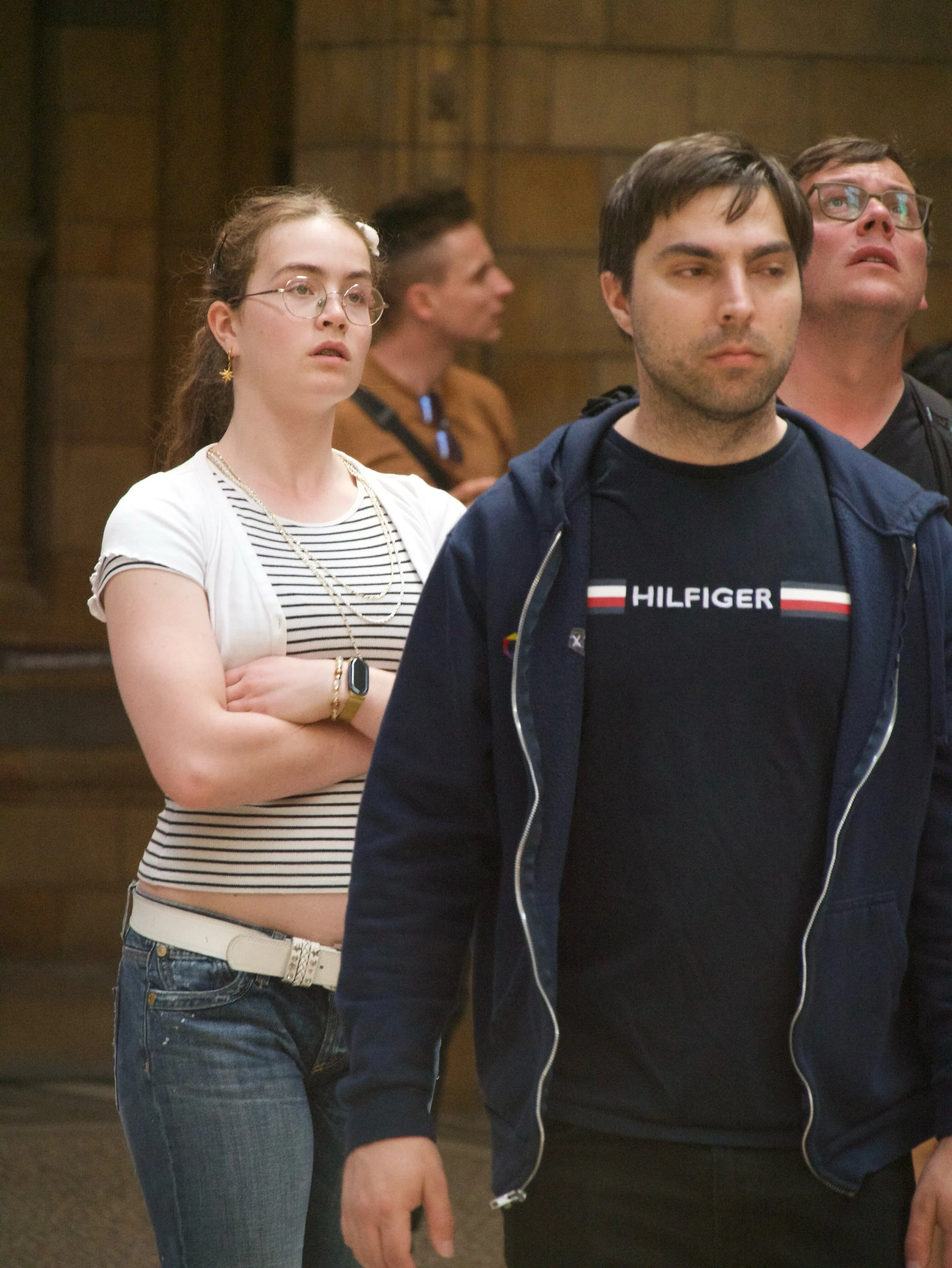
and yet it was about her - 2026 - Digital photograph
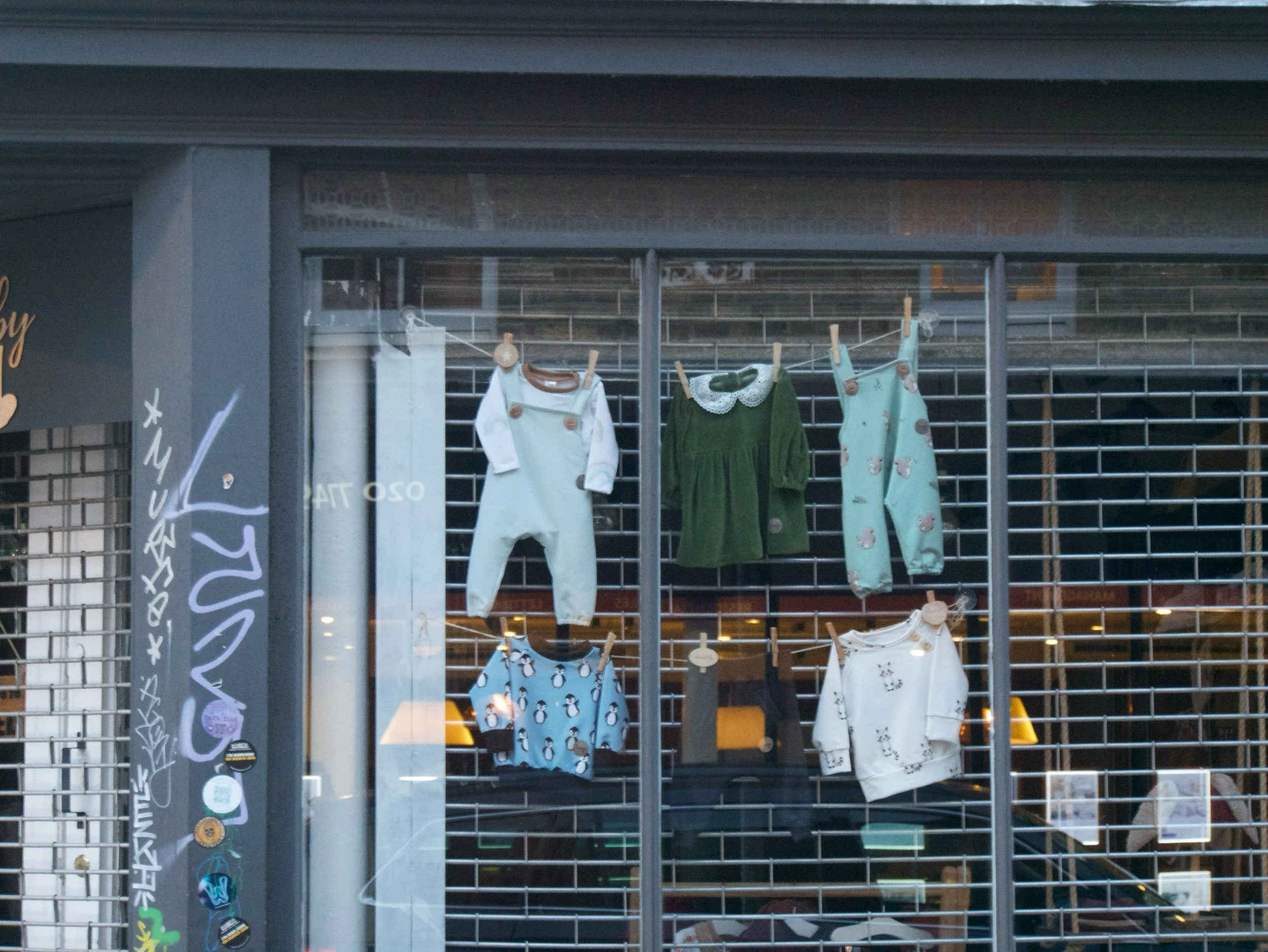
further wardrobes - 2026 - Digital photograph
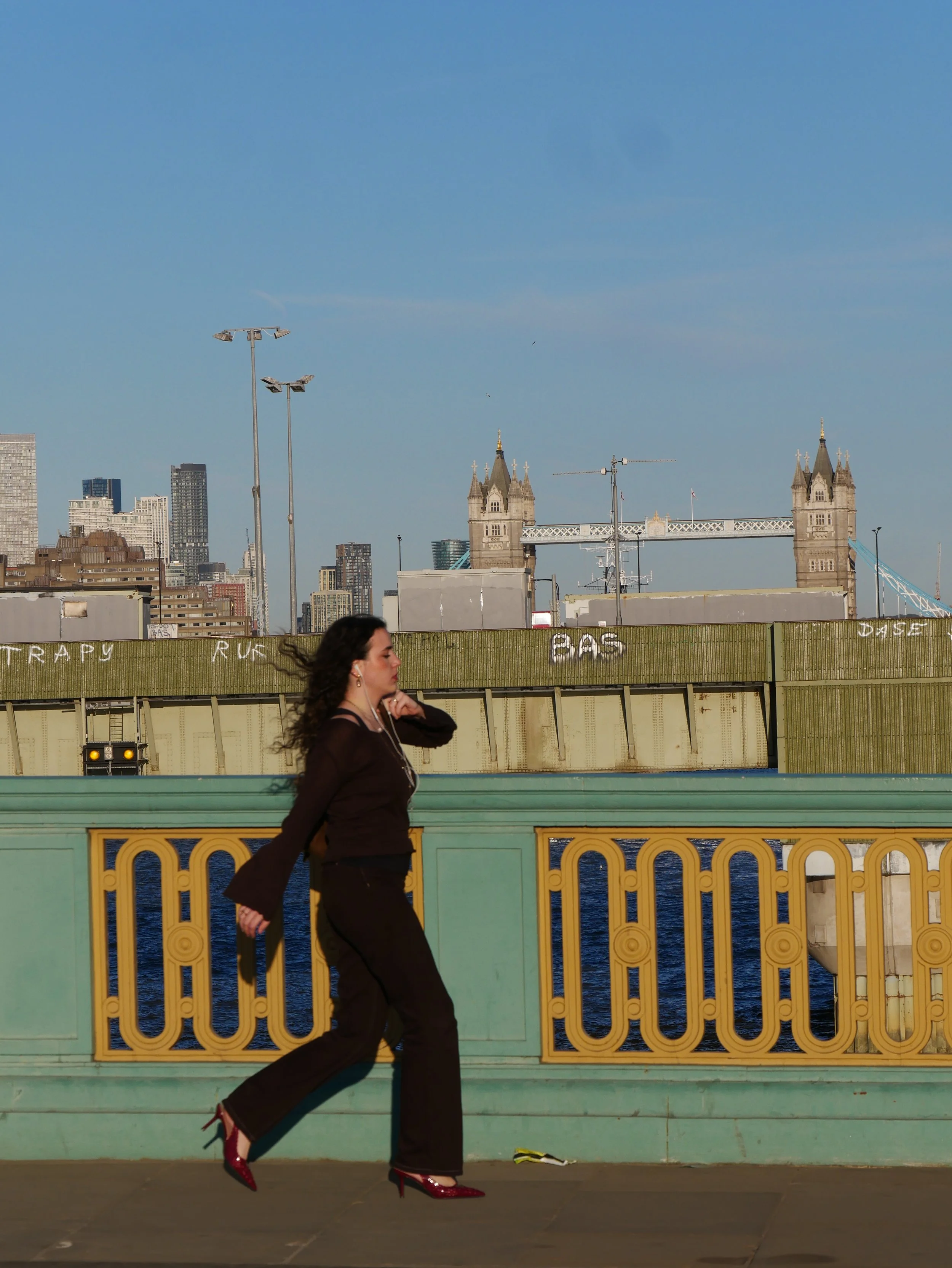
a passer on the Thames - 2026 - Digital photograph
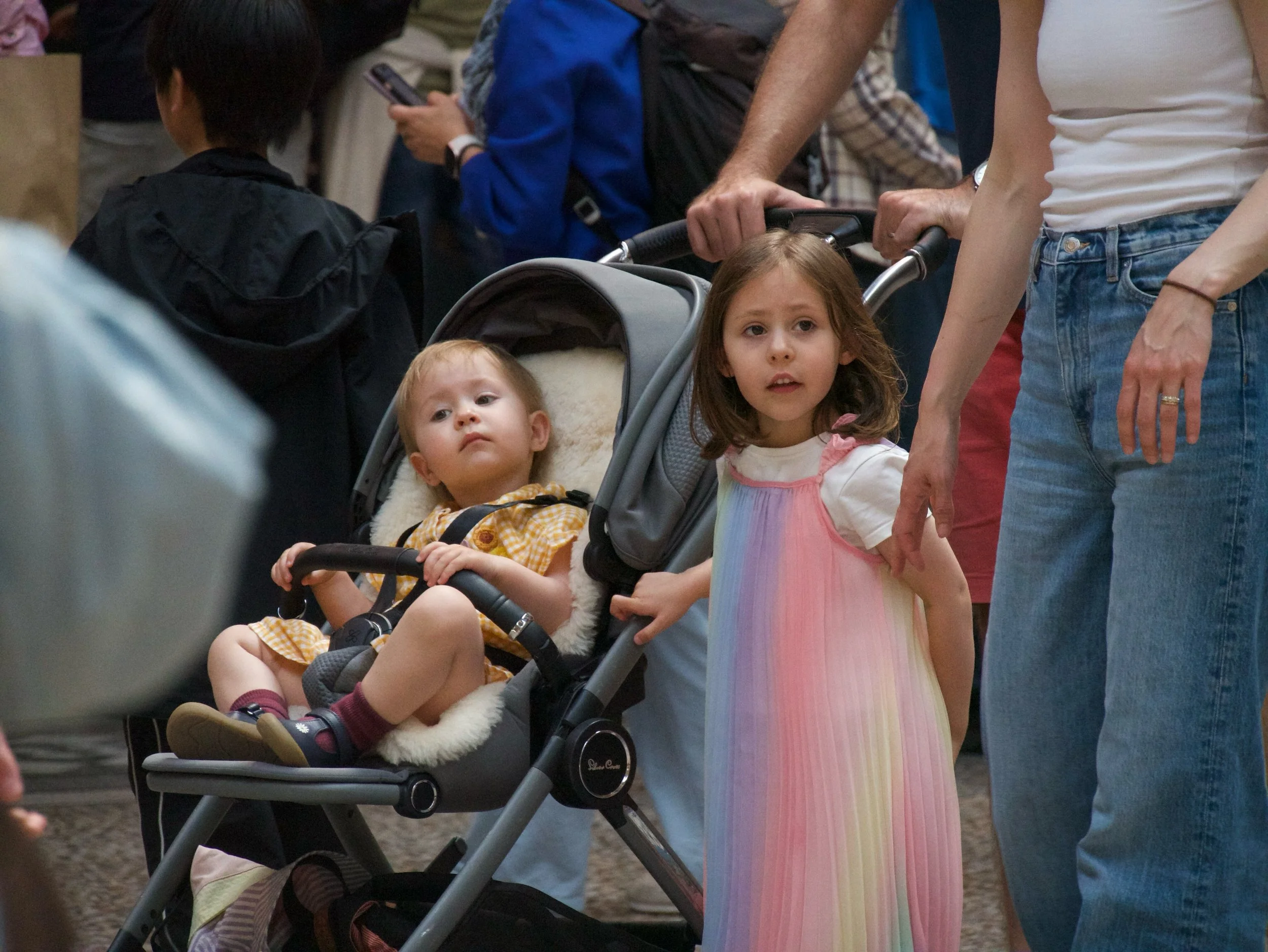
brother sister - 2026 - Digital photograph

sunbeam on Trafalgar Square - 2026 - Digital photograph

stationary - 2026 - Digital photograph
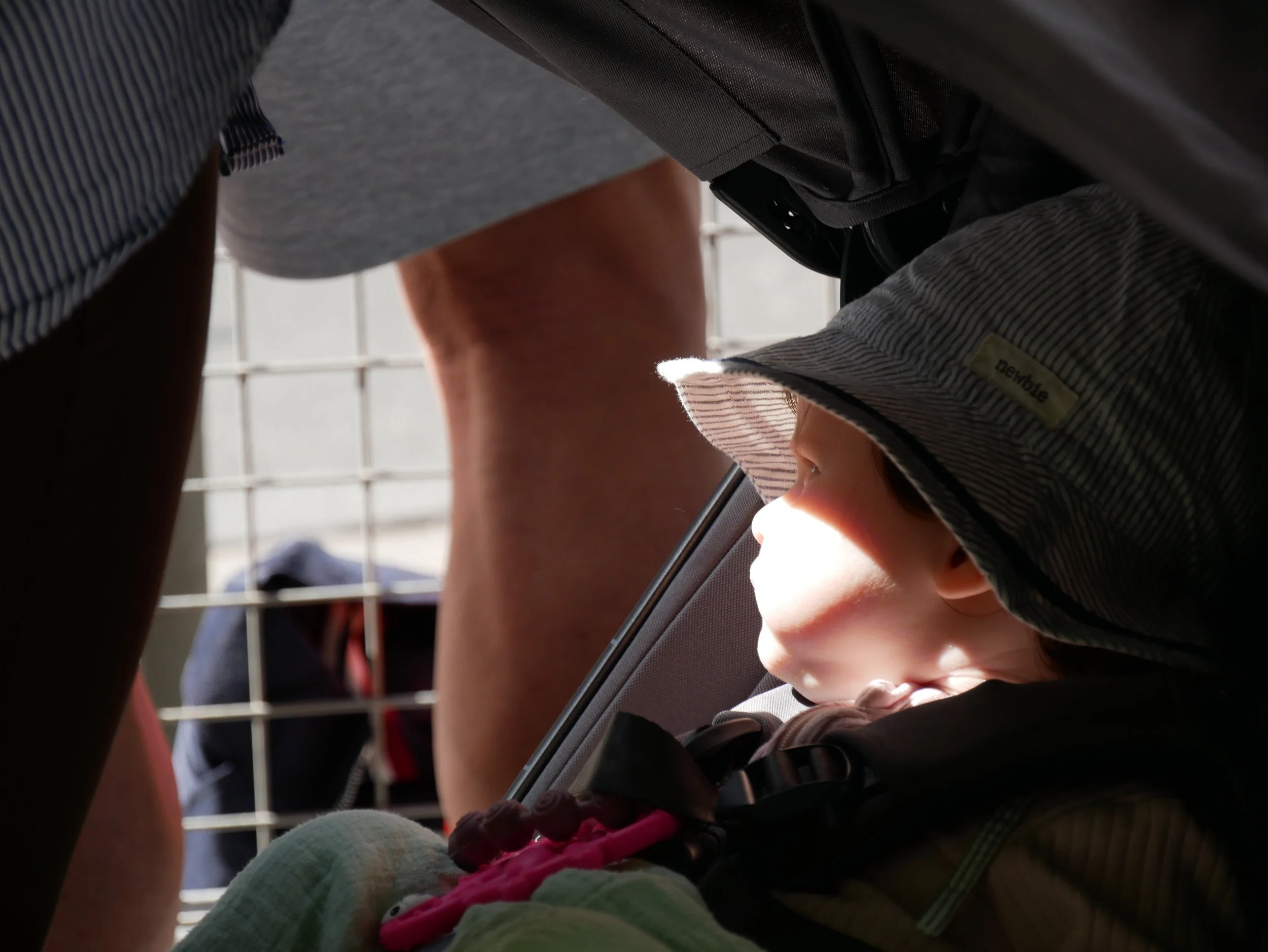
a spotter - 2026 - Digital photograph
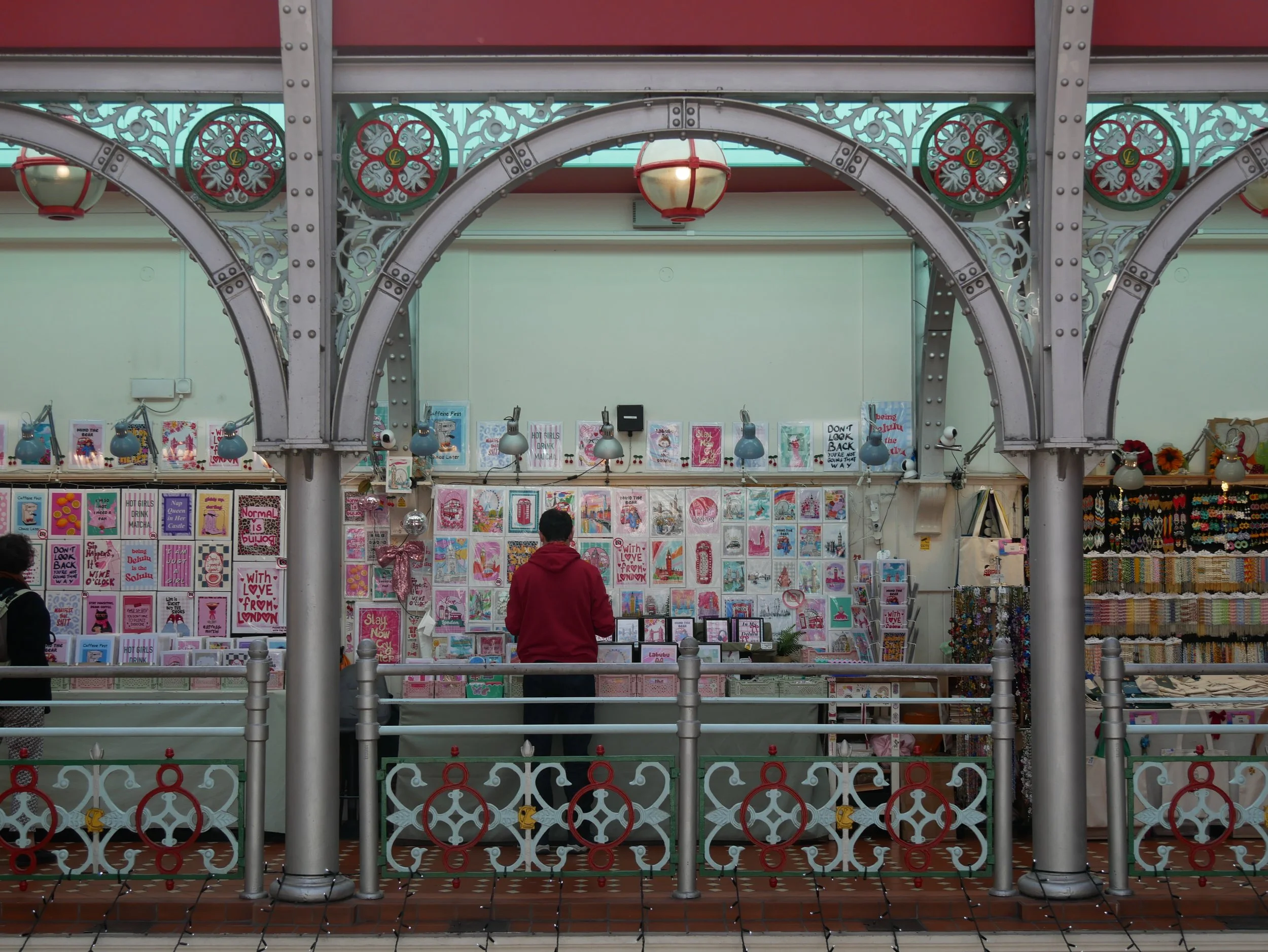
Camden Lock Market - 2026 - Digital photograph
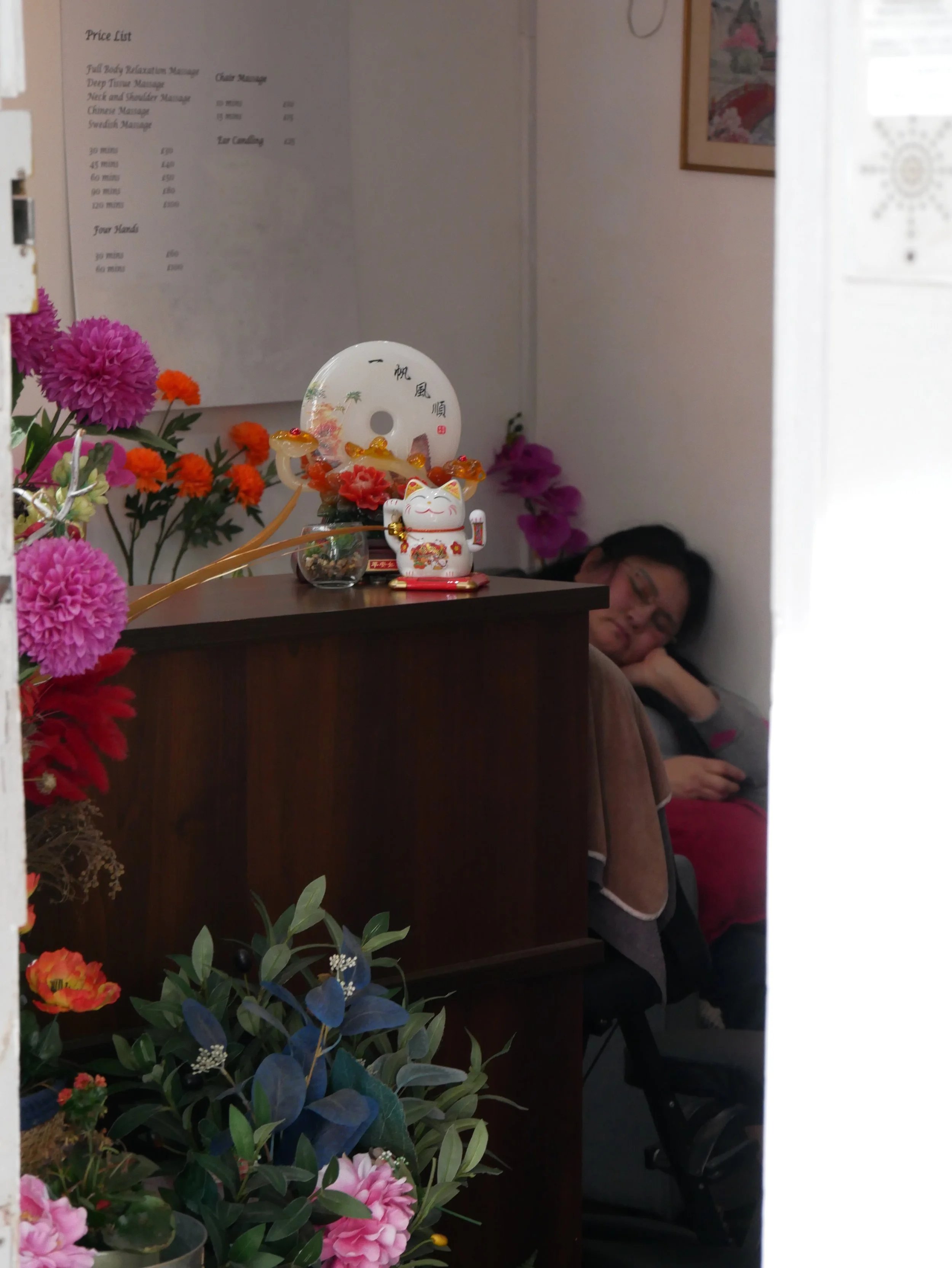
the owner fell asleep - 2026 - Digital photograph
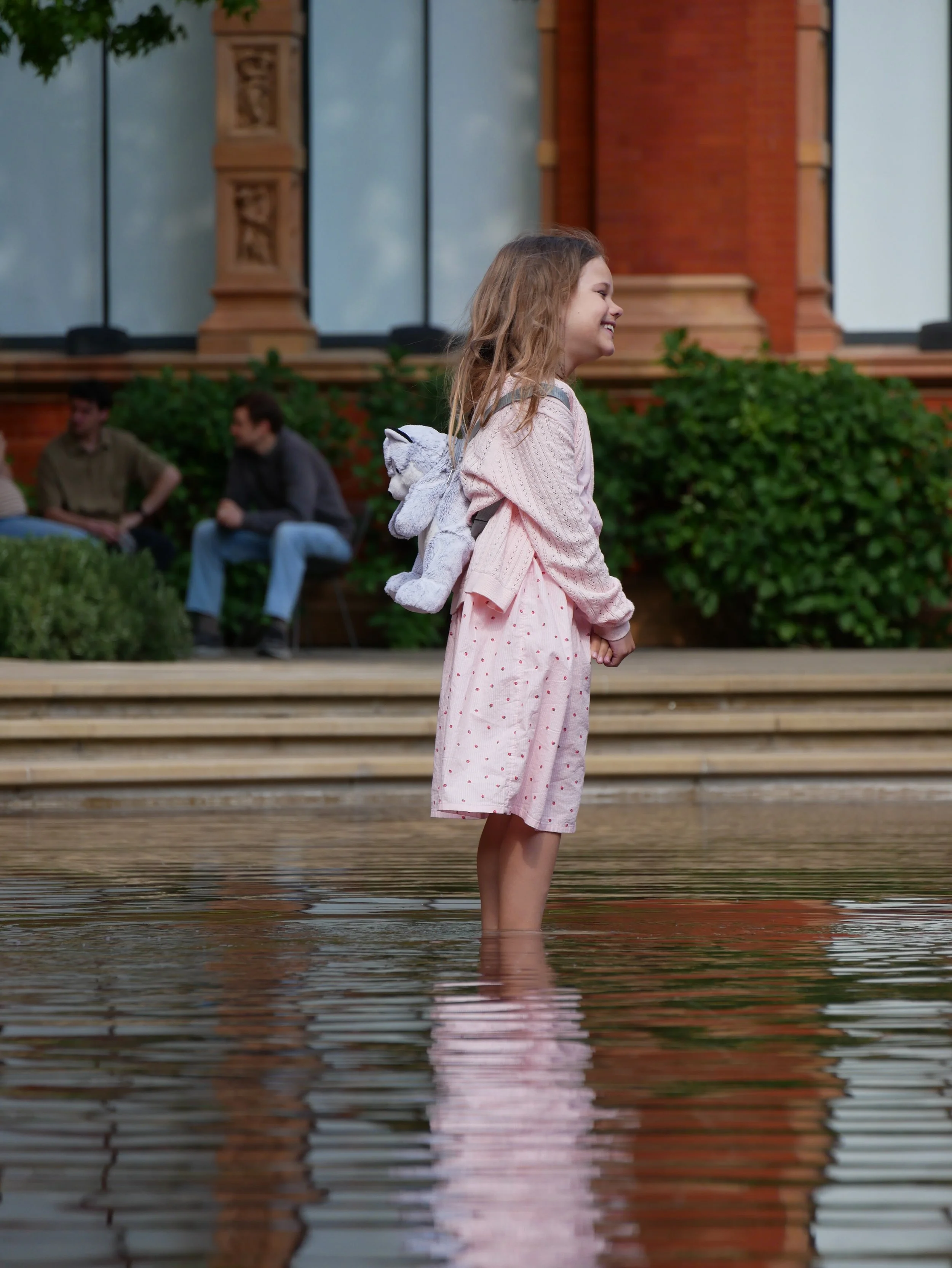
Victoria & Albert courtyard - 2026 - Digital photograph
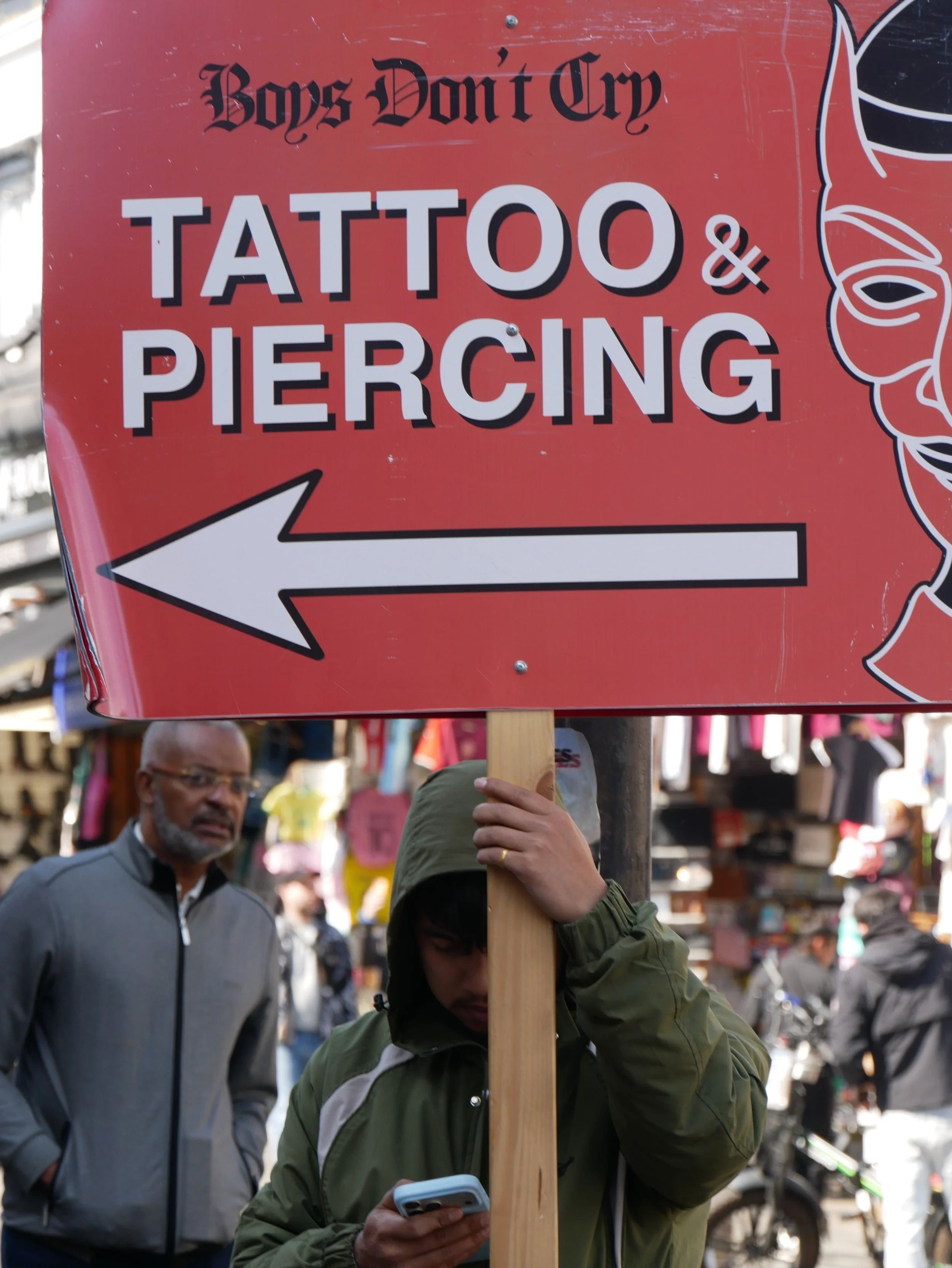
Boys Don't Cry - 2026 - Digital photograph
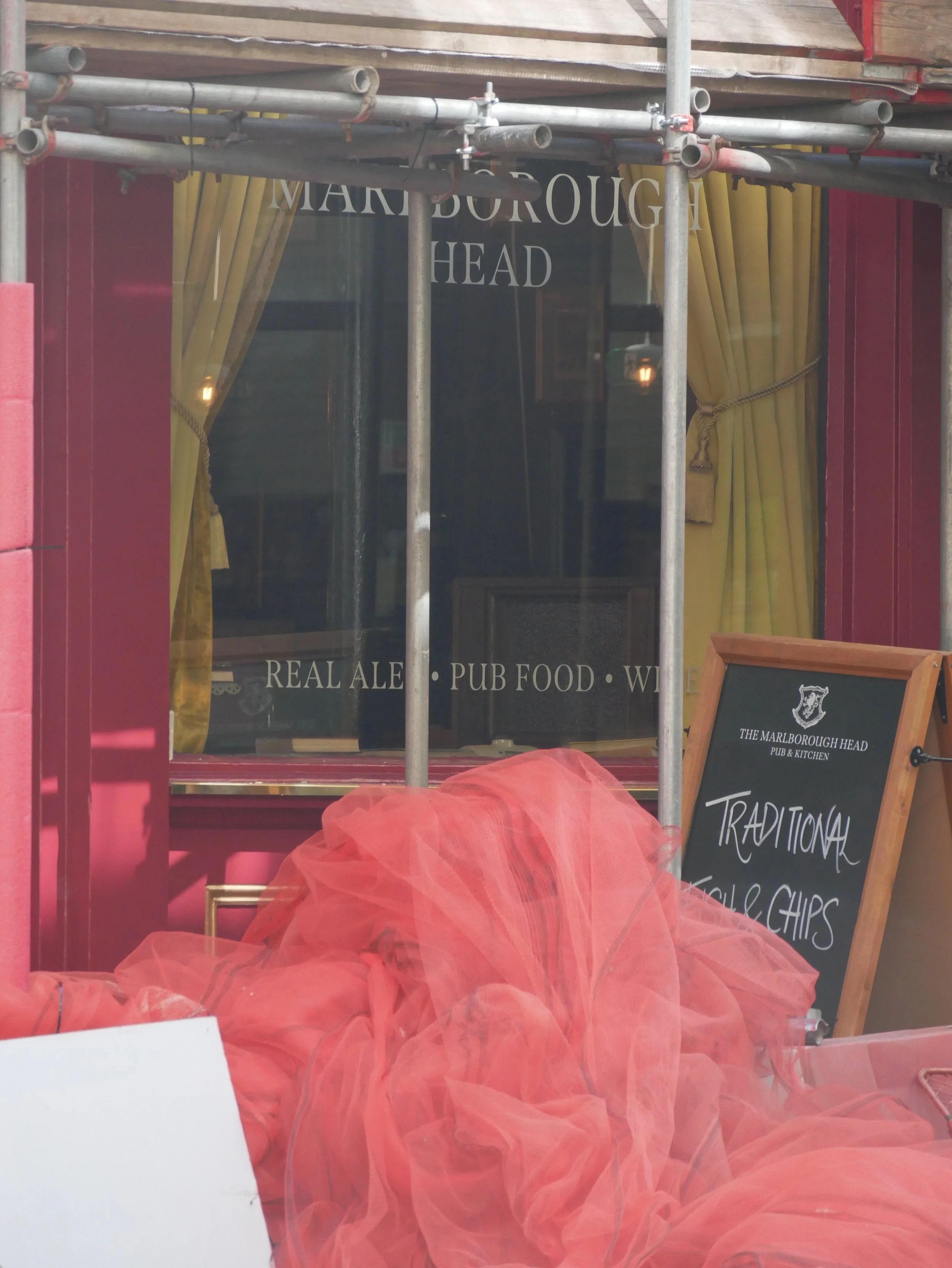
REAL ALE · PUB FOOD · WI - 2026 - Digital photograph

two skins on Oxford street - 2026 - Digital photograph
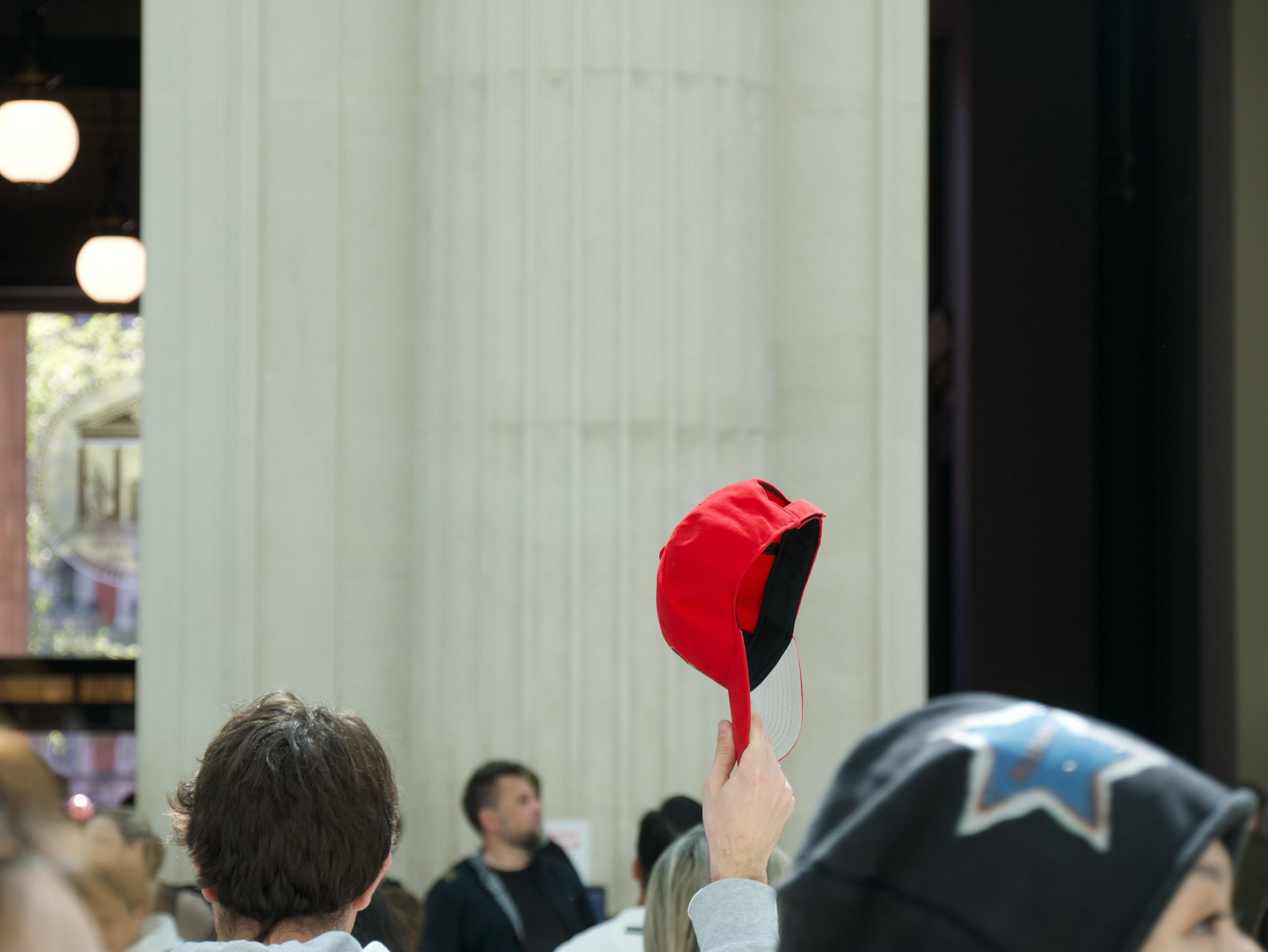
head - 2026 - Digital photograph
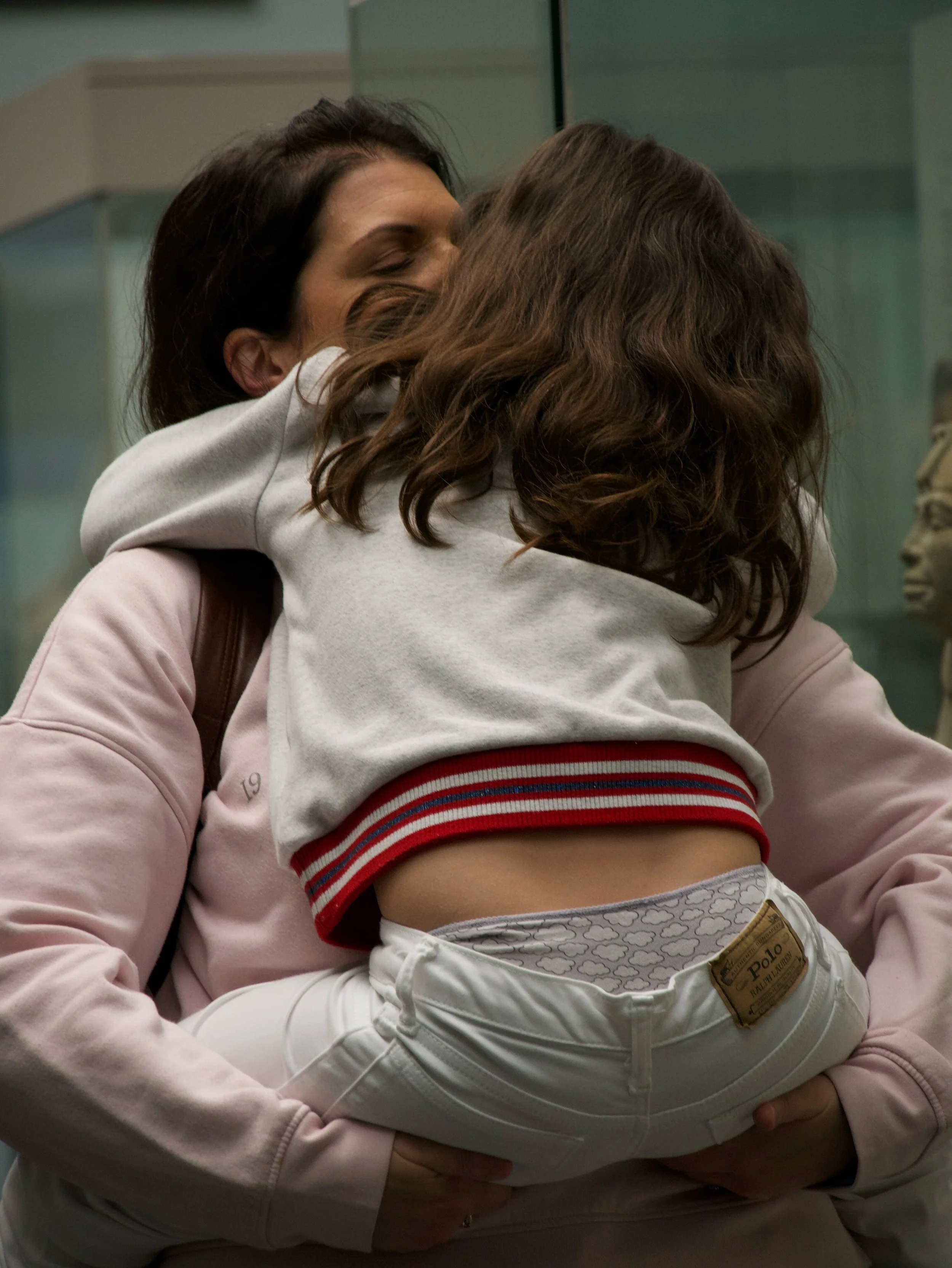
clouds & Polo - 2026 - Digital photograph
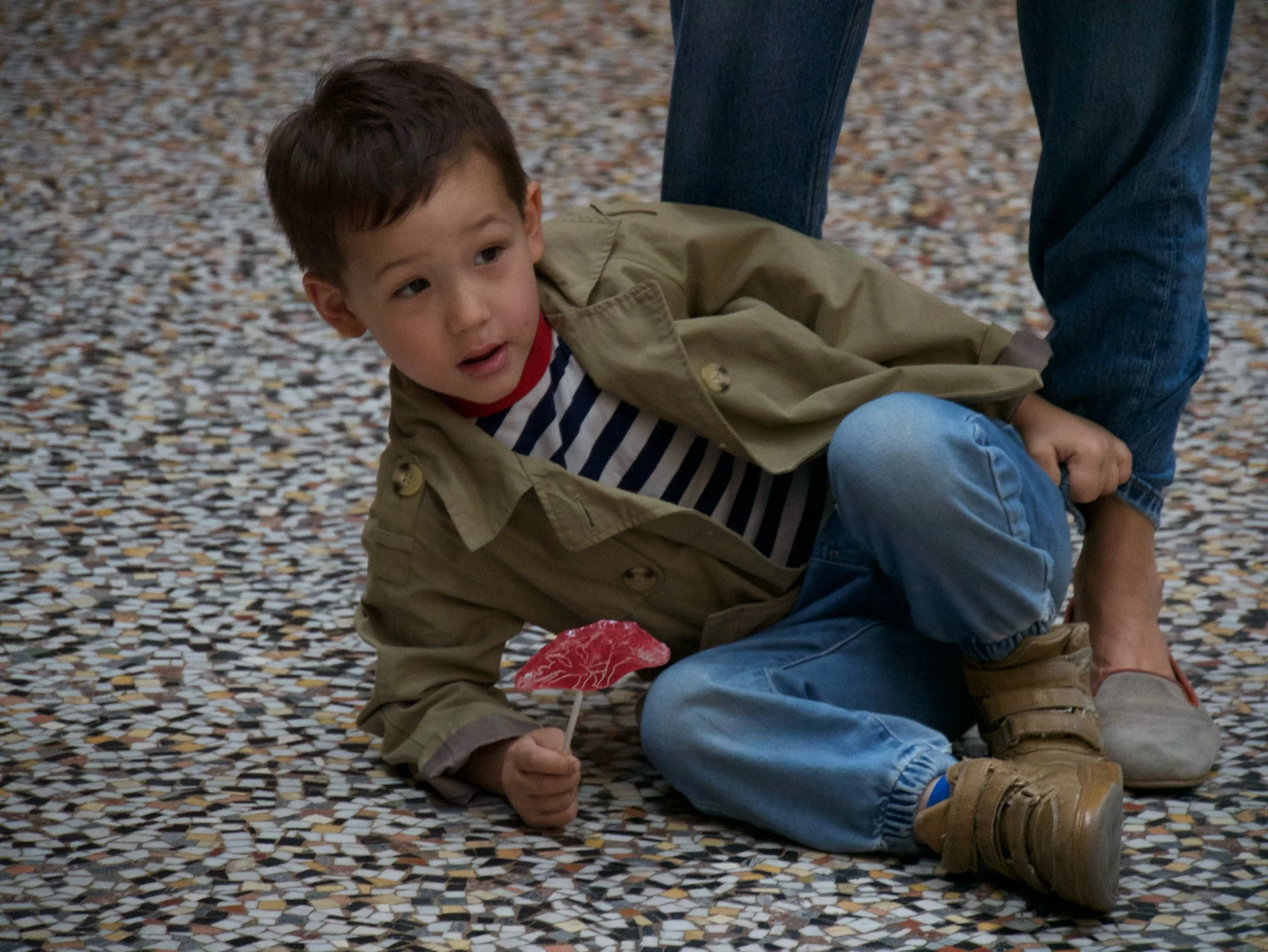
sucked dinosaur - 2026 - Digital photograph
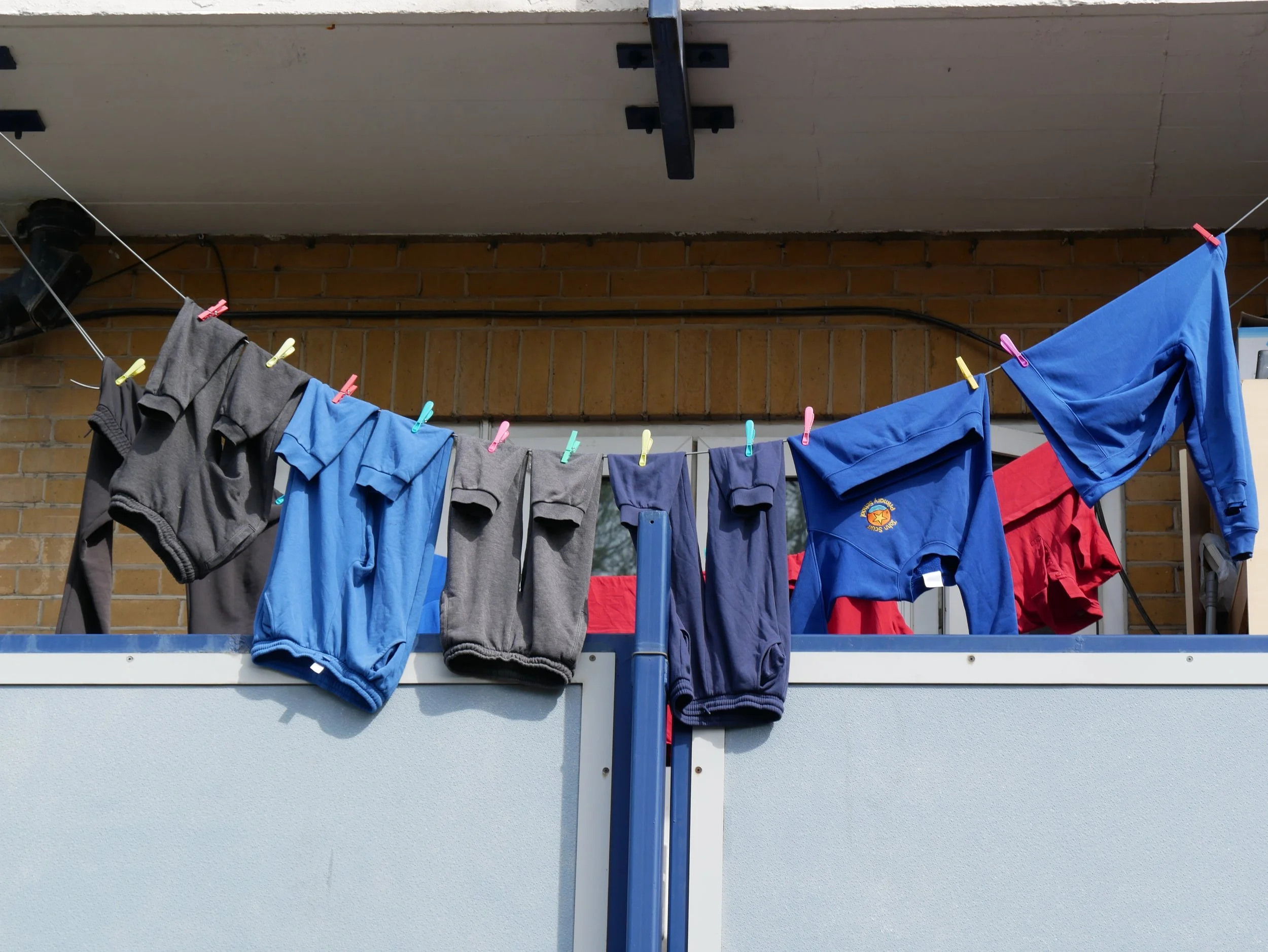
pants pants pants pants sweater sweater - 2026 - Digital photograph
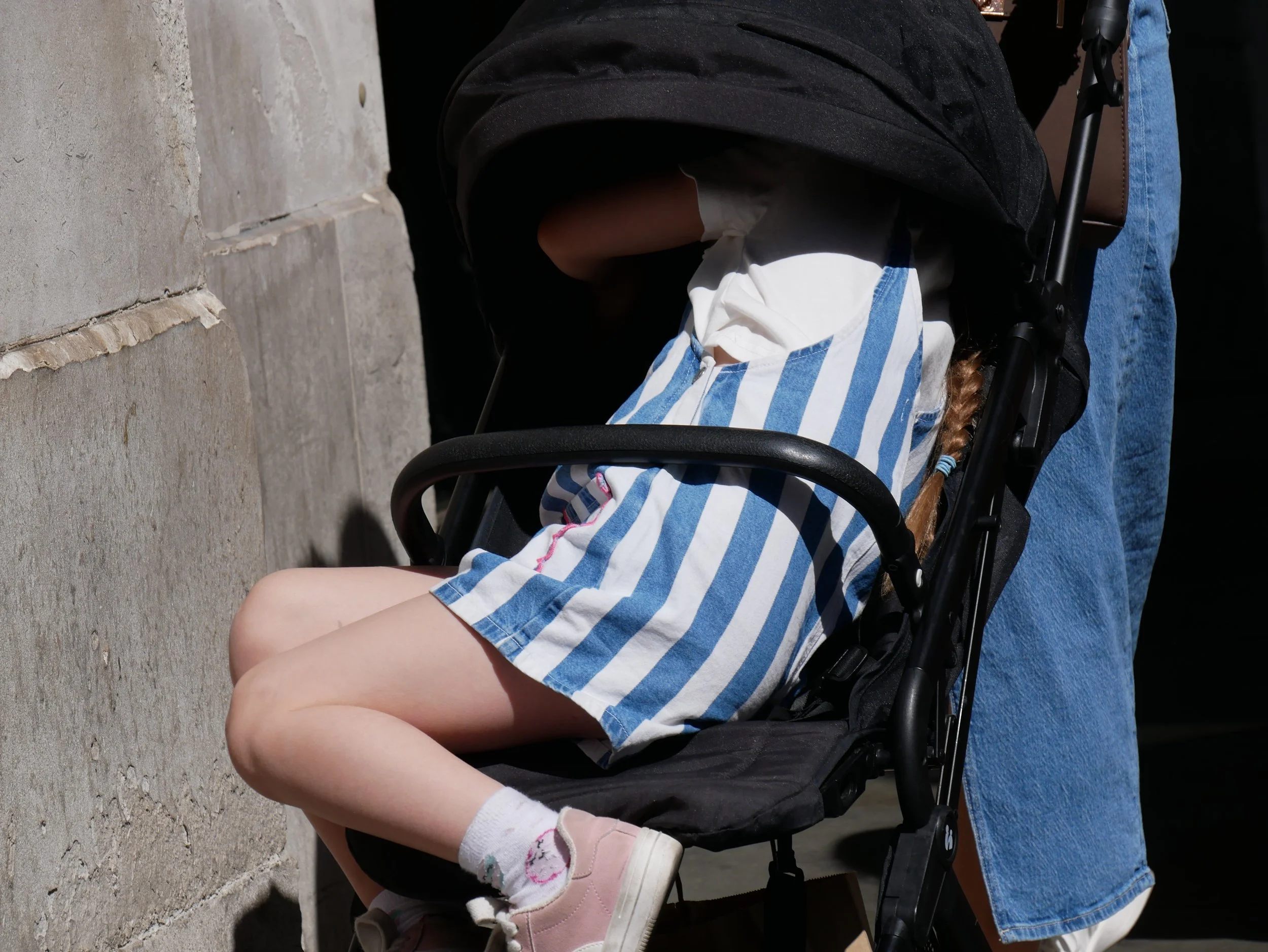
striped stoller - 2026 - Digital photograph
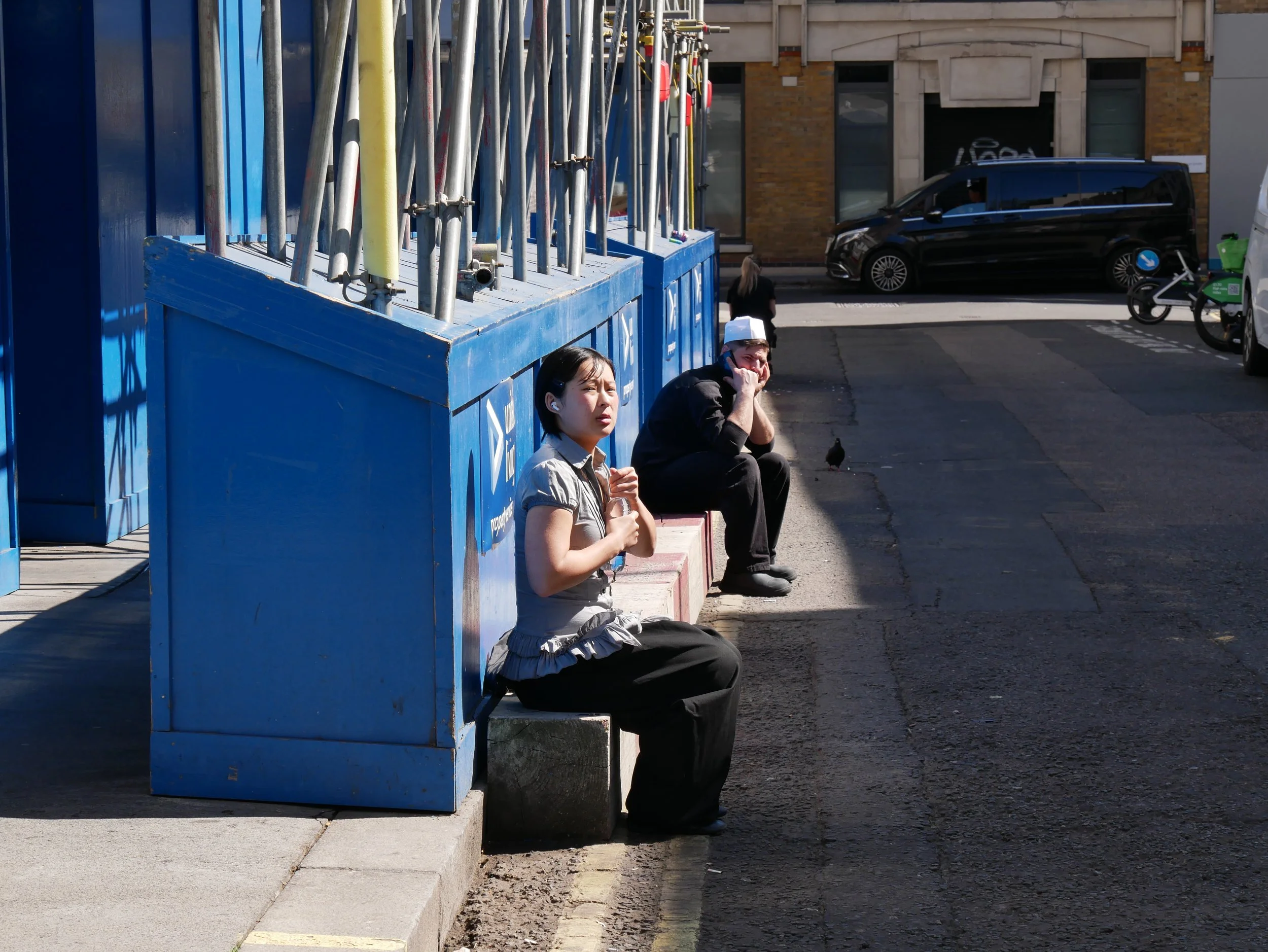
lunch time - 2026 - Digital photograph

take me to dinner, baby - 2026 - Digital photograph

I had a crush and it crashed - 2026 - Digital photograph

fallen down Camden Town - 2026 - Digital photograph
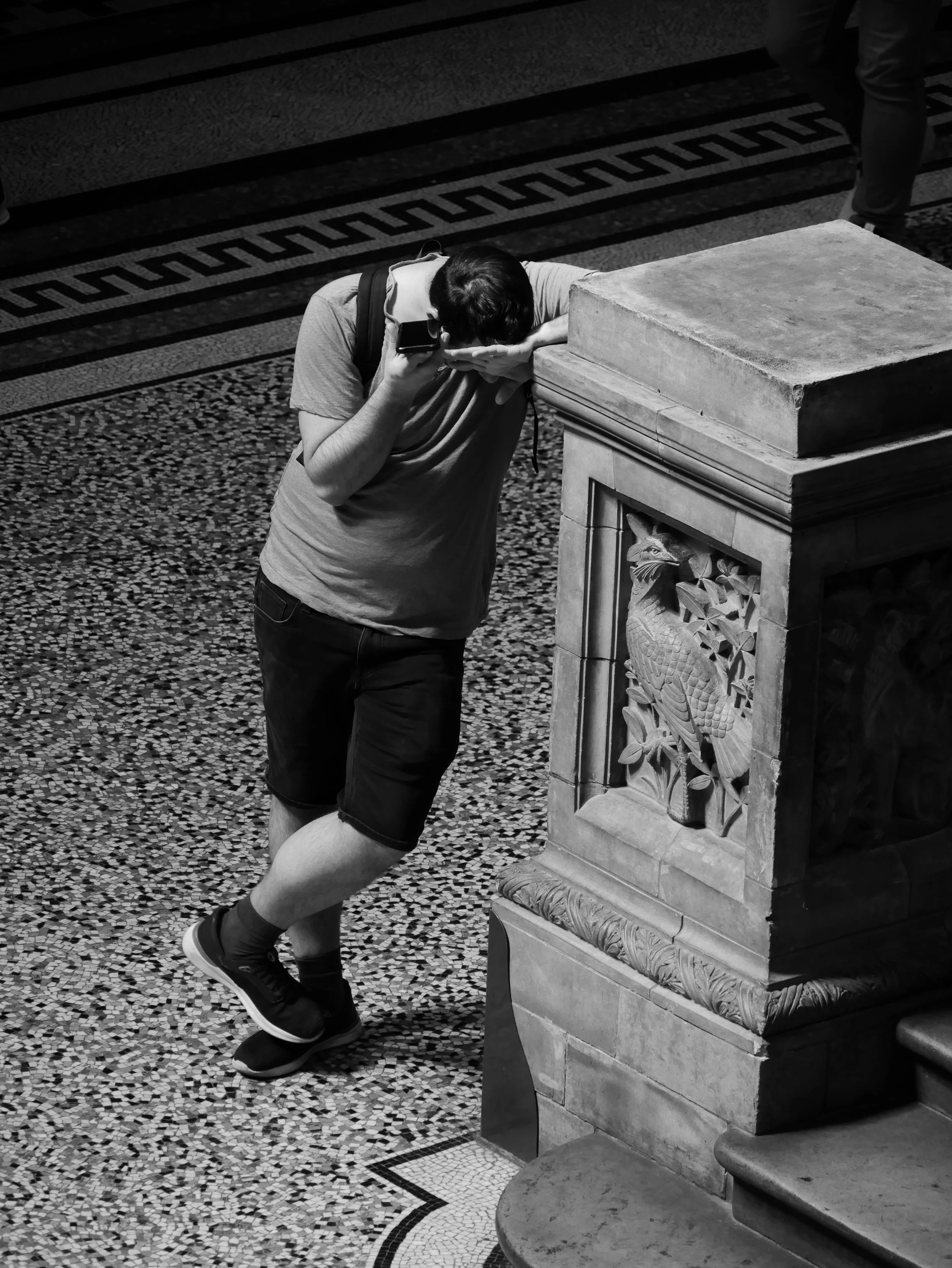
to the stairs - 2026 - Digital photograph
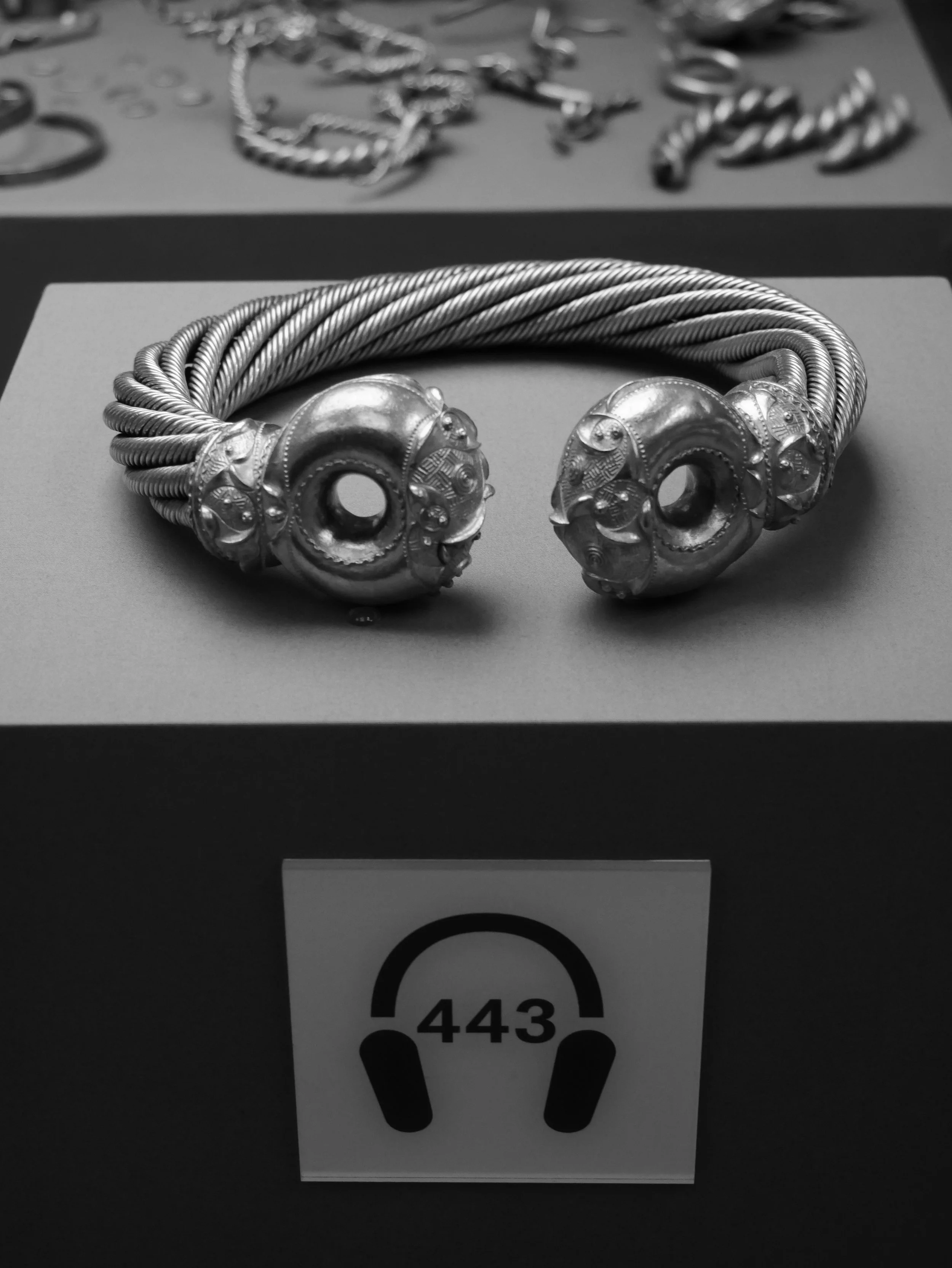
sound - 2026 - Digital photograph
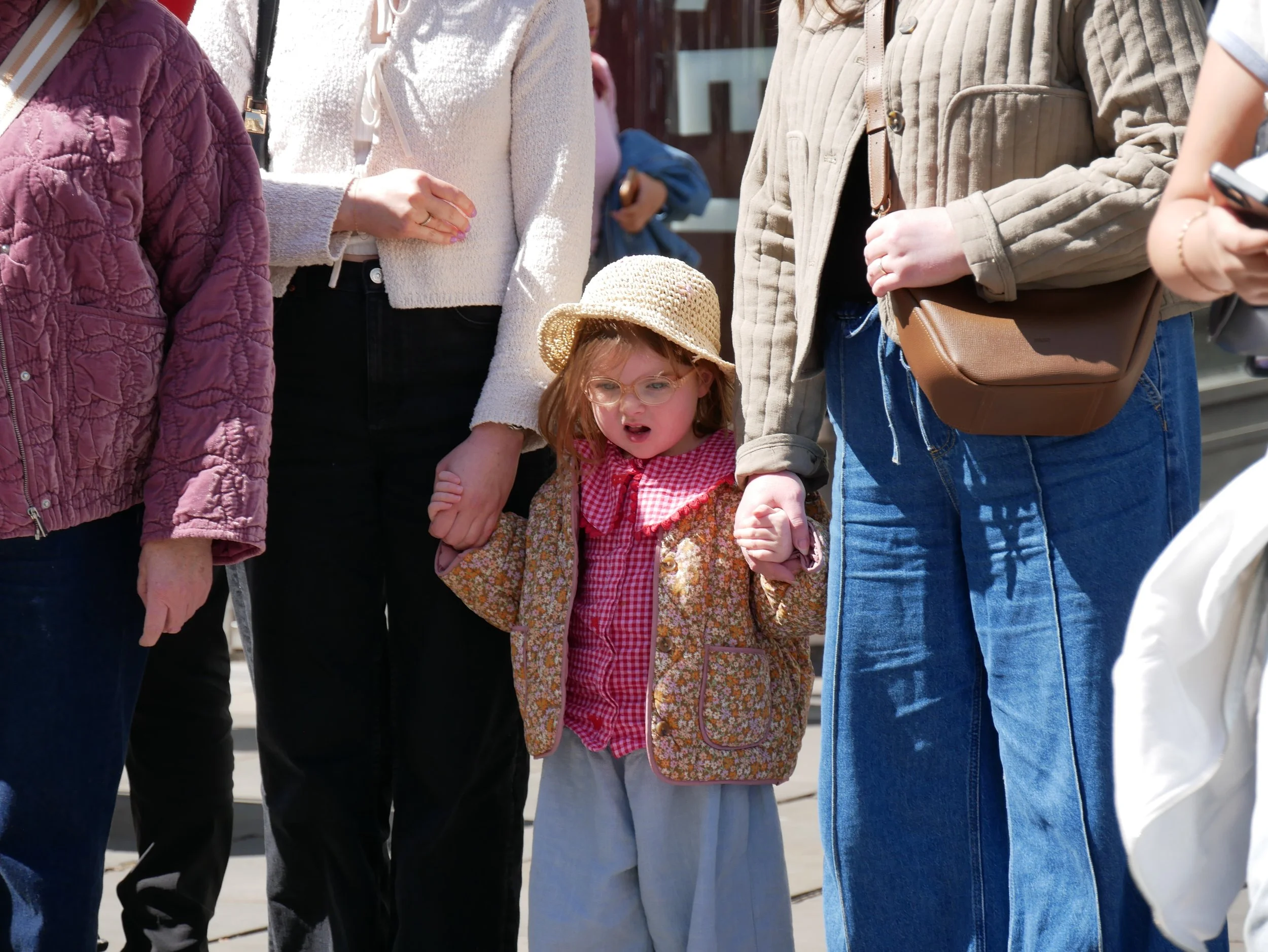
hands and rings, does it ring a bell? - 2026 - Digital photograph

bucket sauce - 2026 - Digital photograph

cheerer - 2026 - Digital photograph
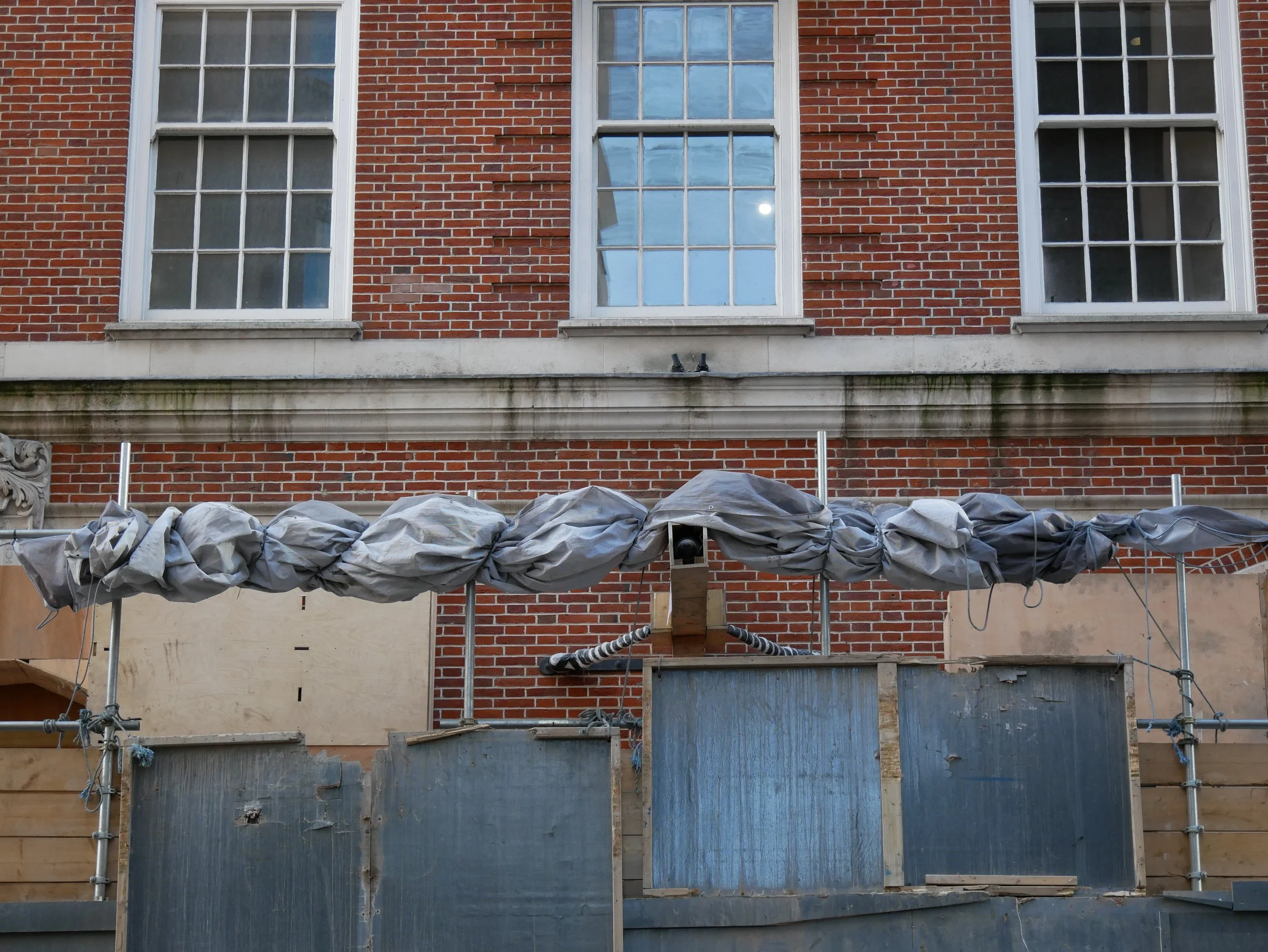
folded, Bank - 2026 - Digital photograph
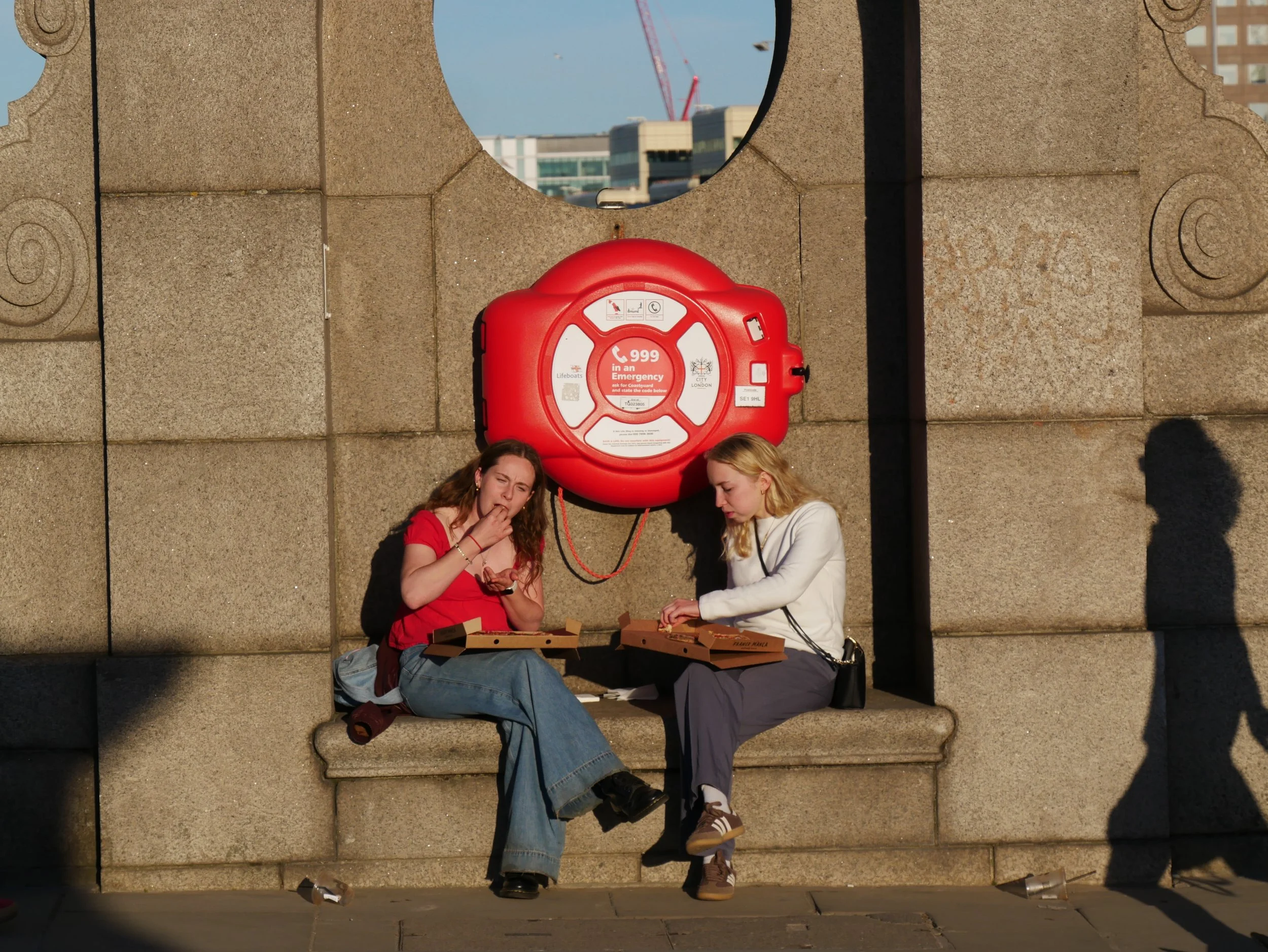
Friends do not always share. Emergency call 999 - 2026 - Digital photograph
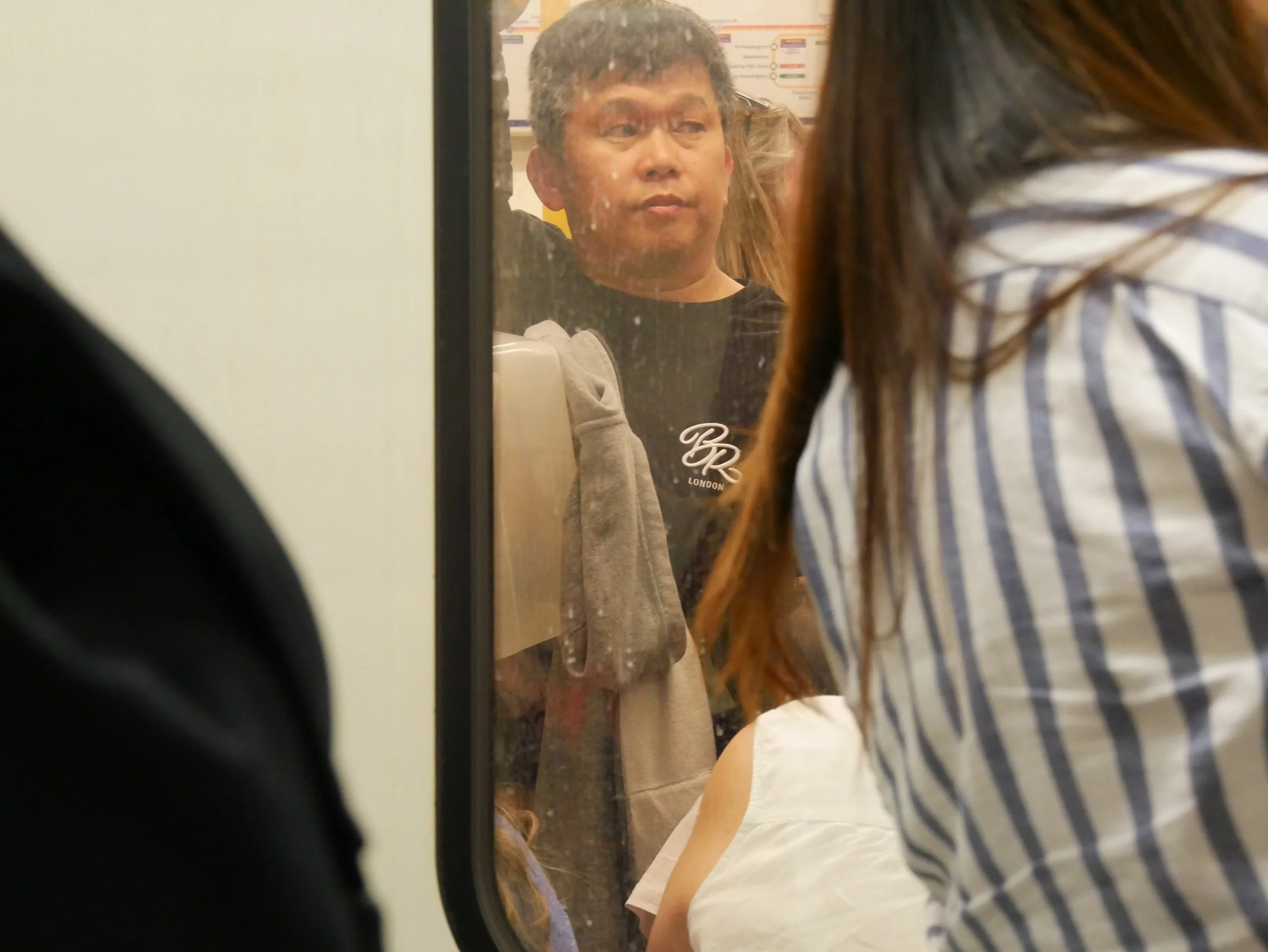
fourth coach on the Elizabeth line - 2026 - Digital photograph
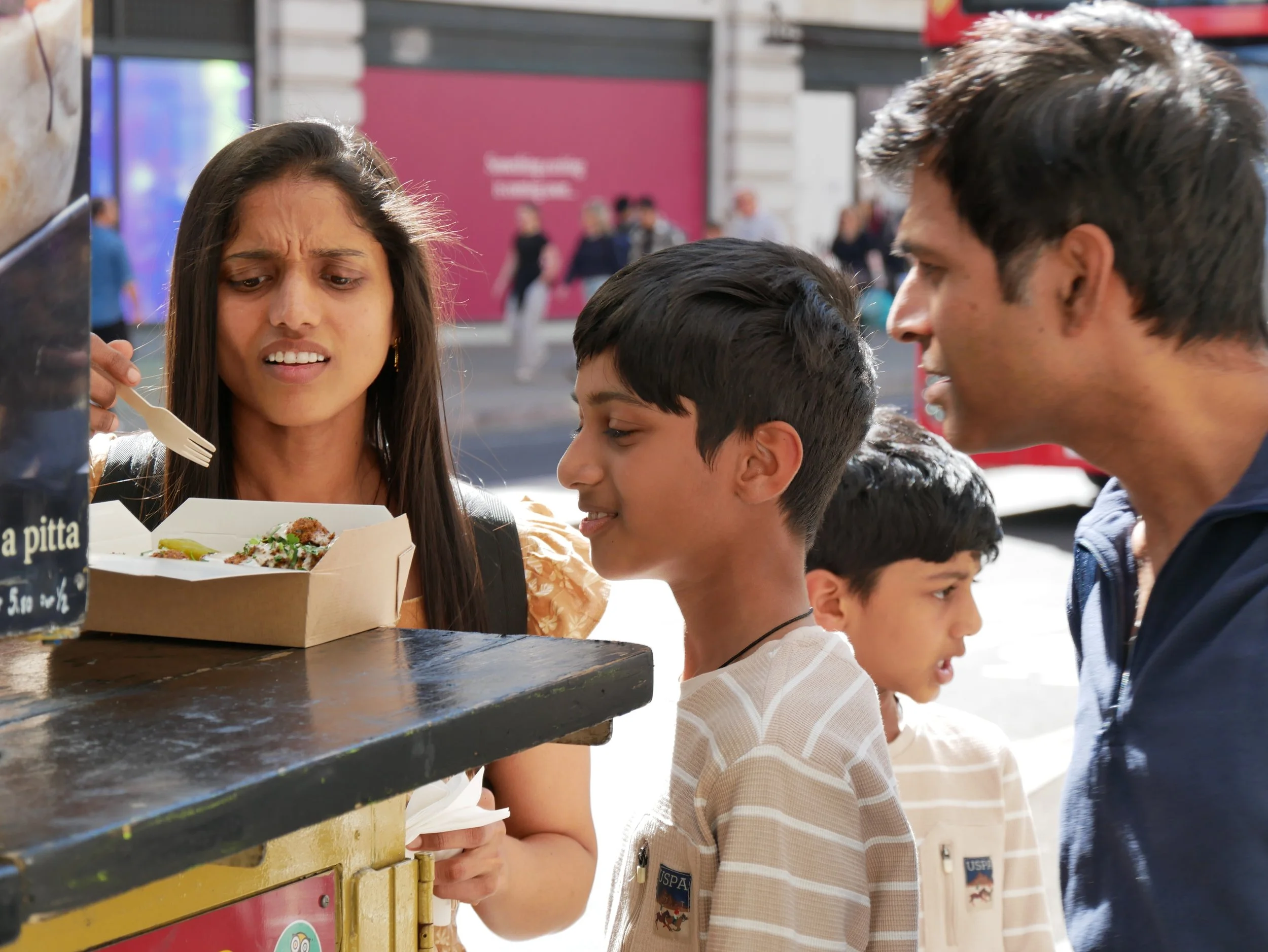
Family - 2026 - Digital photograph
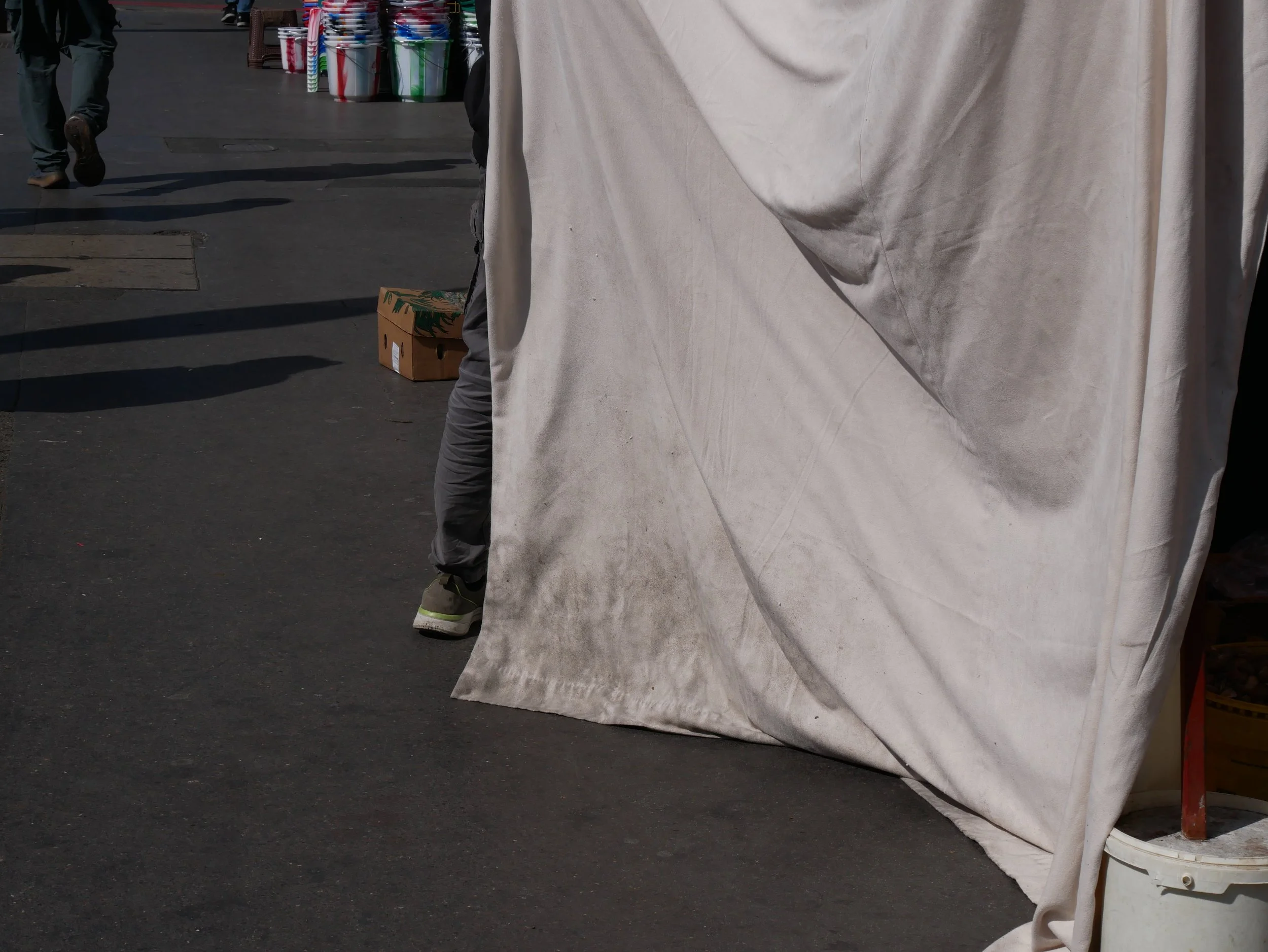
veil - 2026 - Digital photograph