Subject matter
Lyon 2025
The camera draws us away from the world. It becomes an independent authority—both a challenger to, and an accomplice of the present moment. In the photograph, impermanence and permanence are frozen together; the camera’s eye becomes a caption in itself. It creates an enduring yet fleeting connection between us and the world at a precise instant in time, embedding our gaze in a kind of paradisiacal trap—the illusion of sudden clarity within our disorder. This is when objects and figures turn into elements of composition. A blurred face in the foreground, another sharply focused just behind it; the outline of a hand holding a second camera; glasses catching the light on a table—or simply the idea of such a setting. What stands before the lens becomes what matters: the subject.
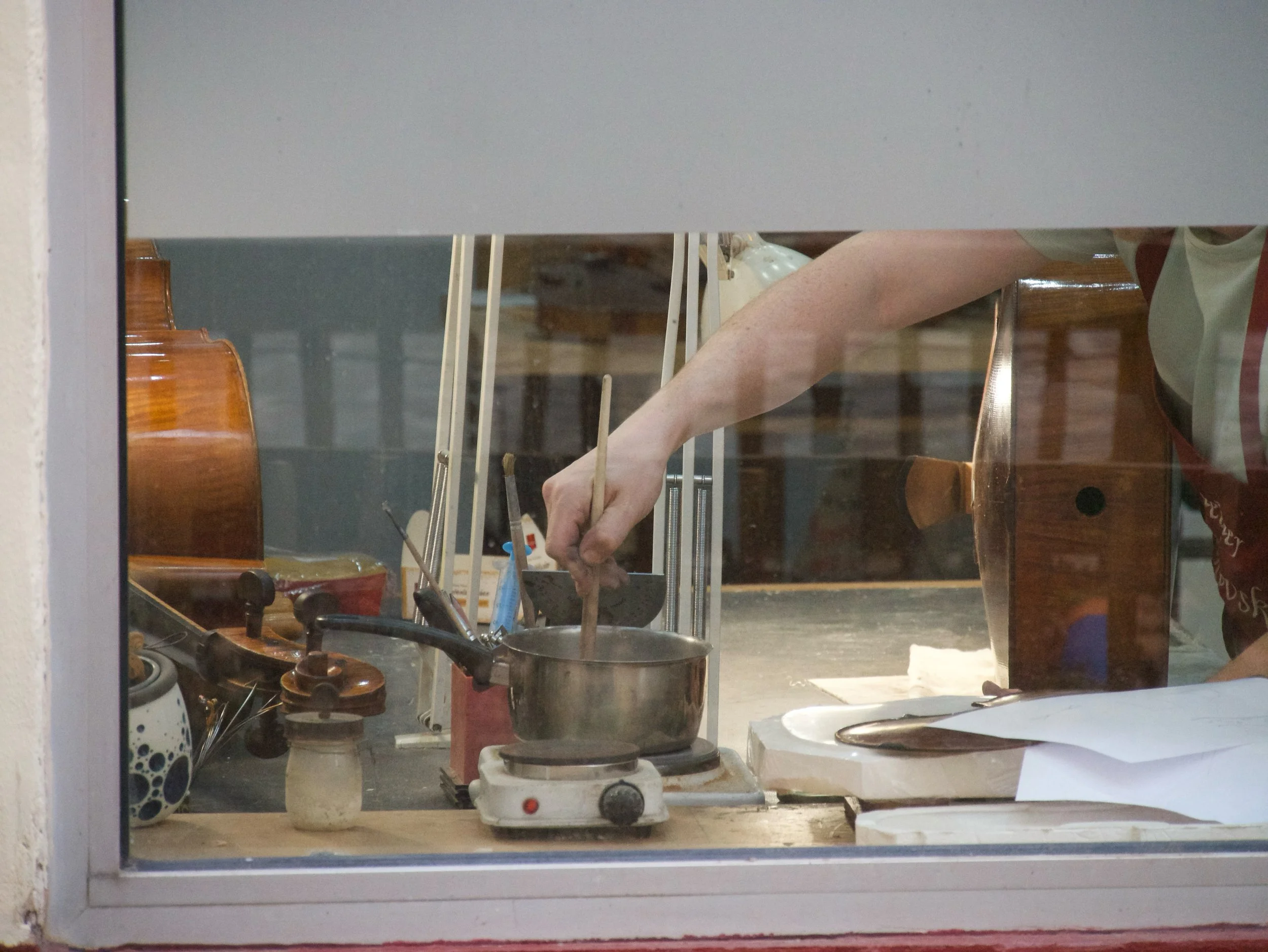
Alexandre Snitkovski ATELIER DE LUTHERIE - 2025 - Digital photograph
I keep photographic memories of intense working sessions, sitting at a desk, where nothing else mattered but focusing on a single subject. Thinking through the lens of life, absorbing and retaining, spitting out onto paper all images captured without any camera, spraying thoughts onto a keyboard. My eyes and hands becoming the authority. This quest for knowledge, performance, and the creation of something that did not exist that very morning is engraved in the lap of my laptop’s long-term memory, and certainly in my own.
These withdrawals lasted for days on end, sitting by this chipped wooden board we used to call a “desk.” I chain-smoked, and the shell used as an ashtray bounced as fiercely typing on the MacBook. This board was just a piece of trash mounted onto a pair of trestles. One side was painted white and the other black. The day we realized the white could no longer be considered white because of all the stains, we flipped it over. It was up to the new black to carry the identity of the bolder color. Of course, after some time, it wasn’t black anymore either. At least the coffee spilled many times did not disturb too much this chaotic harmony. The desk had taken on another identity: the colorless writing surface. All asperities got to disappear through the absorption in “crafting ideas” at the Contois monasteries in the High Middle Ages, perhaps. I remember reading “Evidence of craftsmanship in and around the Hamage Monastery (Nord).” Yes, archaeological information is limited. [A zip of coffee.] What little there is allows us to shed light on the different stages of production of these objects, through their location both inside and outside the cloister, thus providing further insight into manufacturing activity. [Another zip of coffee.] And I read it again to extract some archaeological priorities that suited my smoking patterns: dug and deep. [Another zip of coffee.] Don’t try to find a reason for the subject matter; it’s there—it just is. You can’t do anything about it. Just like a good cigarette, graciously accompanied by a cup of coffee.
As searching through these absorbing archaeological patterns, I figured the monks used to live in complete self-sufficiency. Framed by prayer, they wove their own fabrics, shaped their own objects, and, moreover, grew their own food and made their own bread. In the particular situation where someone is too engrossed their one’s work to grill themselves a slice of bread, this put things into perspective. It struck me as evidence of incapacity—my own—to make a sandwich out of pre-cut ingredients from the store, if not as something I had never considered. Naturally, I had not made time to go to the store, which represented a good seven-minute walk back and forth. Where does self-sufficiency start and decadence stop? Certainly not at supermarket self-checkouts, which give you the illusion of doing part of the job, instantly followed by pride for contributing to the system. You do not need a cashier to help you out. Just twist and turn your bread loaf until you find the barcode, smooth out the plastic, scan, and pay contactless. I’m only here to tell you that contactless payment is required if you wish to reduce the burden of thinking through your monthly budget.
When it comes to budget and cigarettes—at least back when factory-produced cigarettes were still decently priced—there is a countermeasure to stop yourself from thinking about how much money is being smoked away, as if you were directly setting fire to banknotes instead of slowly poisoning your lungs with twenty burning ash sticks a day. Either way, you need a lighter for that. So you better keep record of the amounts of cigarettes. You can wear red lipstick because it leaves traces on every stub you throw into the ashtray. So if you ever wanted to count, you would know how much you had smoked. Multiply it by twenty and you get a pack: €7.20. It is about time to clean out the ashtray. But perhaps even the shape of this intention no longer counts as an act of counting, and you end up not doing it. For what is obviously available does not invite curiosity—not even a slice of bread ready to be toasted when you’re hungry. My toaster remained clean and the ashtray full to the brim, proudly standing as the most stable element on this so-called desk.
On those writing-filled days, the desk was kept as clear as possible. Minimal object arrangement, only four: the notebook, the computer, the ashtray, and the endlessly refilled cup of coffee. Four elements, like four legs holding a table steady. And absolutely no sound around. I would blame the bugs if they dared fly around, curse the neighbors if they decided to start their recurring evening barbecue earlier than usual. Back then, the only way that felt comfortable for thinking and writing was to be seated within that specific arrangement of space and silence. It was in the early twentieth century that journalist Mary Heaton Vorse described the art of writing as “the art of applying the seat of the pants to the seat of the chair.” In other words, writing is summoned by the repetitive act of sitting down day after day, and remain long enough for the work to eventually happen. Writing is an art of stubborn permanence. Consistency clings to the discipline of cleaning. You need to begin writing on a fresh surface, as if you had not been there the day before, nor the day before that. In this way, you keep your mind fresh and well-disposed to the subject of your writing. Because even on your computer, even the garbage contains a subliminal clean message. In US English, it’s called ‘Trash’ on macOS and ‘Recycle Bin’ on Windows. That space has been cleaned for you so that you may make it your own mess.
These times focused on clarity are still unaware of the necessity of collaboration. This heavenly bubble of working alone and for yourself bursts as soon as you are confronted with others. The messy ones, whose desks disappears beneath clippings, sticky notes, and books—or worse, beneath leftover food; the bossy ones, who think their work stands above yours—or worse, who appropriate your initiatives; the talkative ones, whose opinions fly across the workspace like birds, landing uninvited on everyone’s shoulder. This breaker of tranquility is called the co-worker’s environment—otherwise known as the office. You made your way there for no other reason than having a meeting that required physical attendance. Because, let’s be honest, you focus much better at home, or even in a public space where absolutely no social engagement is expected other than ordering a coffee. Your co-workers do not necessarily wish to engage with you. Nor do you necessarily wish to engage with them. Some of them require your collaboration only once every other month. Perhaps you scheduled a meeting for them three weeks ago. Everyone forgets such things.
So, arrive early enough to secure a good spot. Once you’re seated, bless the wide double screens you can stretch high to hide behind. If the co-worker is sitting directly in front of you, you might never have to address them at all. You simply won’t see each other. Those sitting diagonally, however, might cast furtive glances throughout the day—or perhaps you only imagine they do because you just did the same yourself, though you could not quite decipher the exact past trajectory of their gaze or intention. Anyhow, both of you pretend that nothing happened.
If you dare the walk to the coffee machine, the two minutes its black mouth spends pouring your americano may expose you to the risk of conversation.
“A: Hi! How are you?
B: I’m good, and you?
A: Good. It’s nice weather today!
B: Yes, we are blessed.
A: Yesterday was a bit gray. Much better now!
B: For sure.
A: That is indeed exciting for the weekend. Do you have any plans?
B: This weekend? Not really. And you?
A: Same, I need to take it easy.
B: That sounds nice.
A: Sometimes!
B: Yeah.
A: (Looks at their phone and stays silent)
B: Well, we should probably get back to it.
A: Yeah.
B: See you later!
A: See you!”
And suddenly—as if waking from a dream—you find yourself in B’s shoes. Suede loafers, even. You turn around to grab the longed-for coffee, filled with good energy. From the corner of your eye, you notice the toaster. The bloody machine is impeccably clean. This object testifies that you are not the only careless taker who skips breakfast every now and then. There is merely a hint of humanity here.
Hurry up! You have to go before your screensaver turns on—the stupid romantic image your laptop administrator has configured and locked. You are scared of your screensaver because it means your boss—or whoever might be watching—potentially knows that you have stopped working for more than five minutes. And it is also quite dull. Do you remember the After Dark “Flying Toasters” screensaver from 1989? “Enjoy the Flying Toasters on your Mac,” or “Enjoy the Flying Toasters on your Windows computer.” The settings even allowed you to adjust how dark you wanted your toast to be, and to accompany it with music themes such as Wagner’s Ride of the Valkyries, or a Flying Toasters anthem with optional karaoke lyrics. When I saw they released a version with bagels, I completely lost it. I miss the days of playful screensavers. Nowadays, screensavers are just reminders of the intellectual gap into which your current job has quietly plunged you.
Be aware that you will face the discomfort of office chairs: never quite at the right height, yet always strangely difficult to adjust. You want to reach down discreetly—was it the right lever or the left? You can never remember. You try one side, then the other; you press and pull, squeeze your glutes in the hope that relieving some of your weight for a second will help the chair rise to a decent height, decent enough for your dignity, and hopefully without releasing a squeak—that too for the dignity of not being looked at by a dozen pairs of quietly judgmental eyes. In that moment, you might find yourself thinking, ‘For God’s sake, why don’t I crave a place that would make me feel like an integral cog in a well-oiled machine?’
Then, please try to remind yourself that you wanted this—or at least that you had been looking for it: the stable job, quiet and generously paid for the amount of effort you give, providing you with a structure you supposedly needed, like a lunch break, for example. And you cannot smoke indoors here. The building’s policy does not even allow to light the candles that have been sitting here for years. They were here long before you, slowly gathering dust and ageing wax, their wicks still intact. They will remain here after you are gone; that much is certain.
When I started working in an office, it raised the question of smoking. Should I still do it? Did it still make sense now that I was no longer allowed to drop my ashes wherever I pleased? If I wished to light one up, I had to take out my badge, swipe it at the entrance door, make my way through the hallway, and politely greet the concierge. I would stand outside like a misplaced yucca, looking at strangers passing by: No, no, I’m only here temporarily. And, inevitably, I would have to focus on the cigarette itself, which had become the sole subject matter of my mind, now as dull and narrow as a serrated leaf. The ashtray here stood outside. It was filled to the brim just like the one at home, except that it contained the lipstick traces and spit residue of hundreds of people. It was especially disgusting on rainy days, when the water turned it into a small swimming pool overflowing with cold ashes. The game was not entertaining anymore, so I quit smoking.
It is rather challenging when, for many years, your waking trigger has been the scent of a steaming coffee pot paired with the first drag of a cigarette. Just as disorienting as changing a seven-year-long wake-up alarm. It takes you longer to realize it is time. Yet the macchinetta sings alone, cradled in the cup you now hold with both hands. Didn’t you notice aromatic notes in your Colombian coffee that you had never noticed before? Nevertheless, you miss the feeling of lifting the stick to your lips and inhaling its familiar smoke. The countermeasure I found was to substitute cigarettes with lollipops. A different gesture, yet the same emotional attachment remained. I sucked on hundreds of Chupa Chups, like a three-year-old. The benefit of this is that you no longer have to present any ID at the checkout—the lollipops are for your child—nor do you have to ask strangers to borrow a lighter. It also narrows human interactions and lasts longer than your former ash sticks.
Have you tried opening a lollipop without tearing the wrapper? It is not an easy task. The paper often rips in the process, depending on the brand. Once laid flat, it reveals a beautifully engineered pattern: a design printed on a square, neatly made to wrap a round candy. It is like hugging someone you appreciate, or slipping into a perfectly fitted shoe. If you fully extend the four sides of the paper, pulling at the corners, it gives a shallow shape to the depth of your intention. It is beautiful! What you do afterward does not matter; at least, I do not care. I do not collect them. Would you? They end up in the trash with their sticks, as both were always meant to.
A couple of times, I came across Chupa Chups with sticks still made of plastic. The paper sticks we have now leave an uncomfortable residue on your tongue if you suck on them for too long. So you cannot fully surrender to them at once. With the plastic ones, you may go all in, fully commit to them. The experience is sleek. It tastes like earlier times, like the real lollipop you remember from childhood. Plastic stick, paper stick: sticky or plasticky. What matters is that you have quit smoking for good.
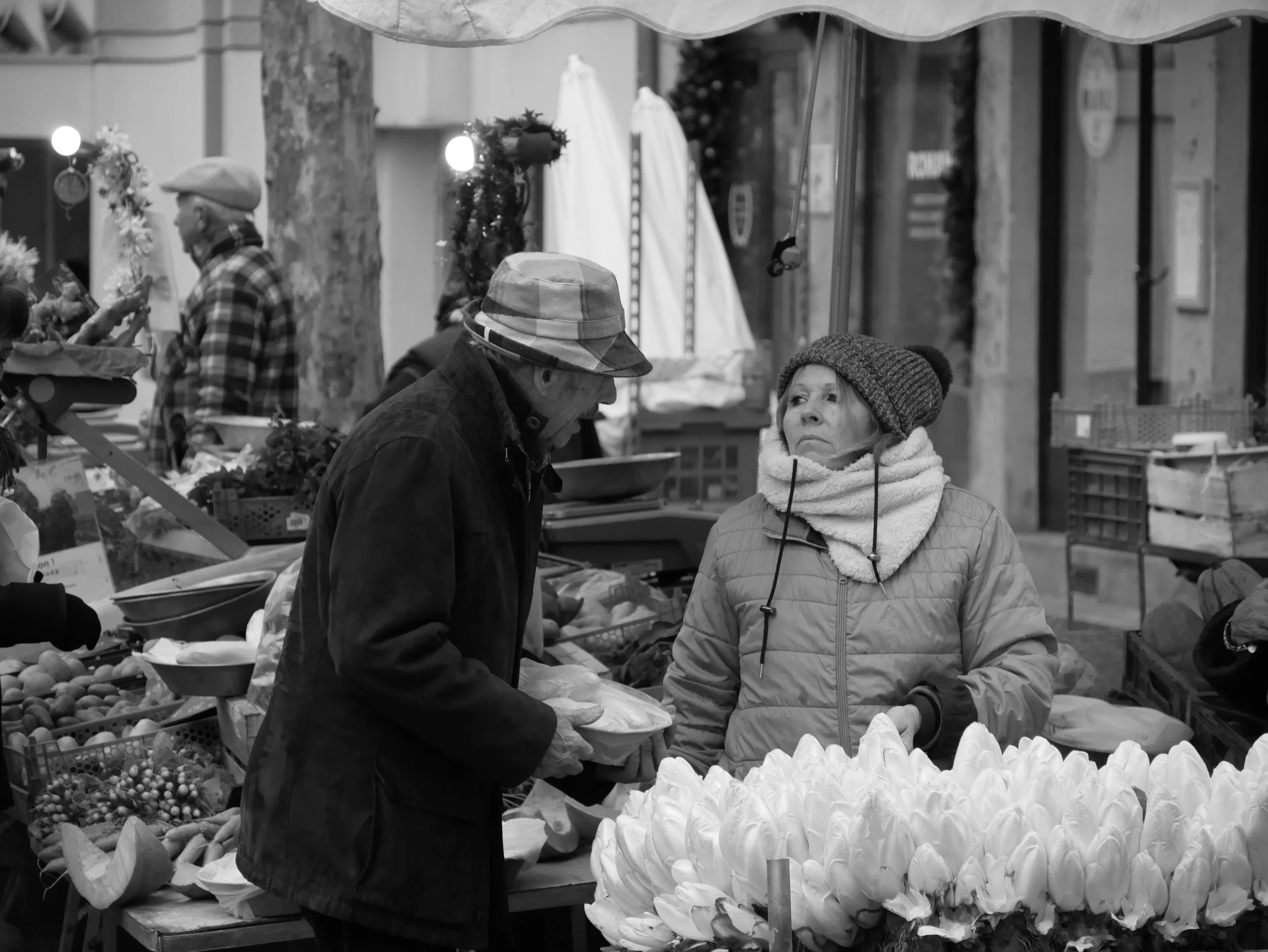
discussion autour d'endives au marché - 2025 - Digital photograph
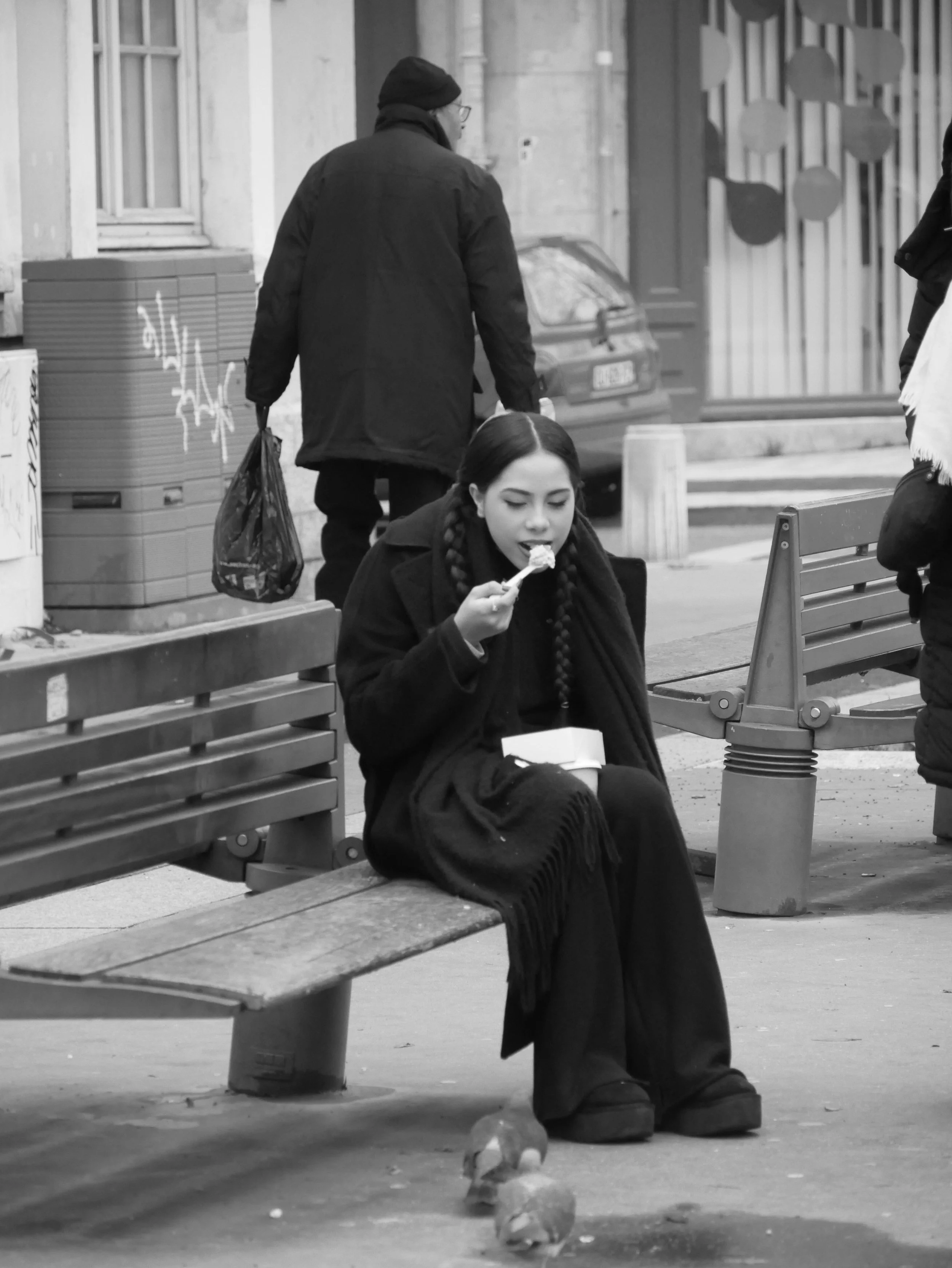
jeune fille déjeunant sur un banc - 2025 - Digital photograph
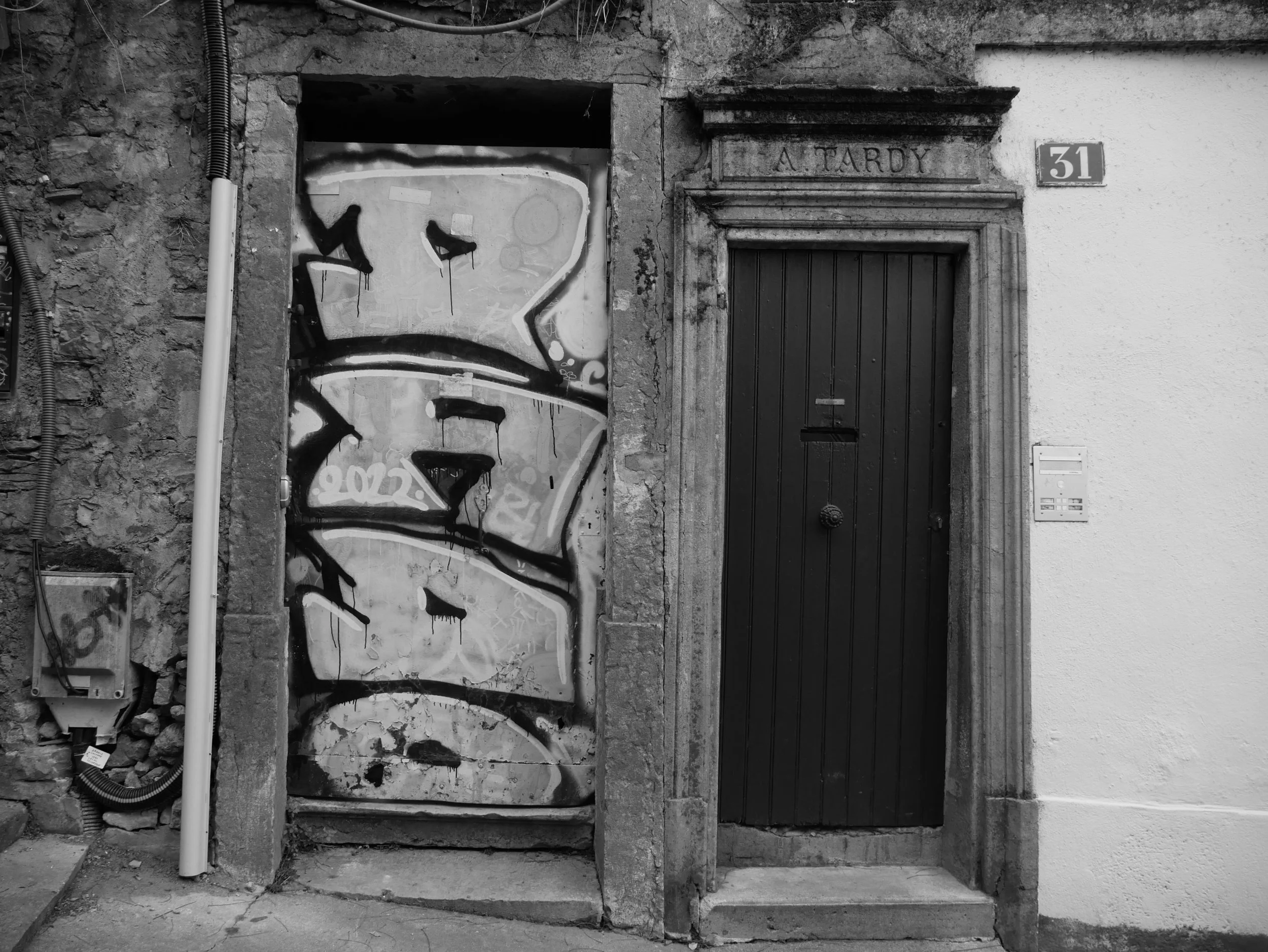
442 marches de la rue Joséphin Soulary - 2025 - Digital photograph
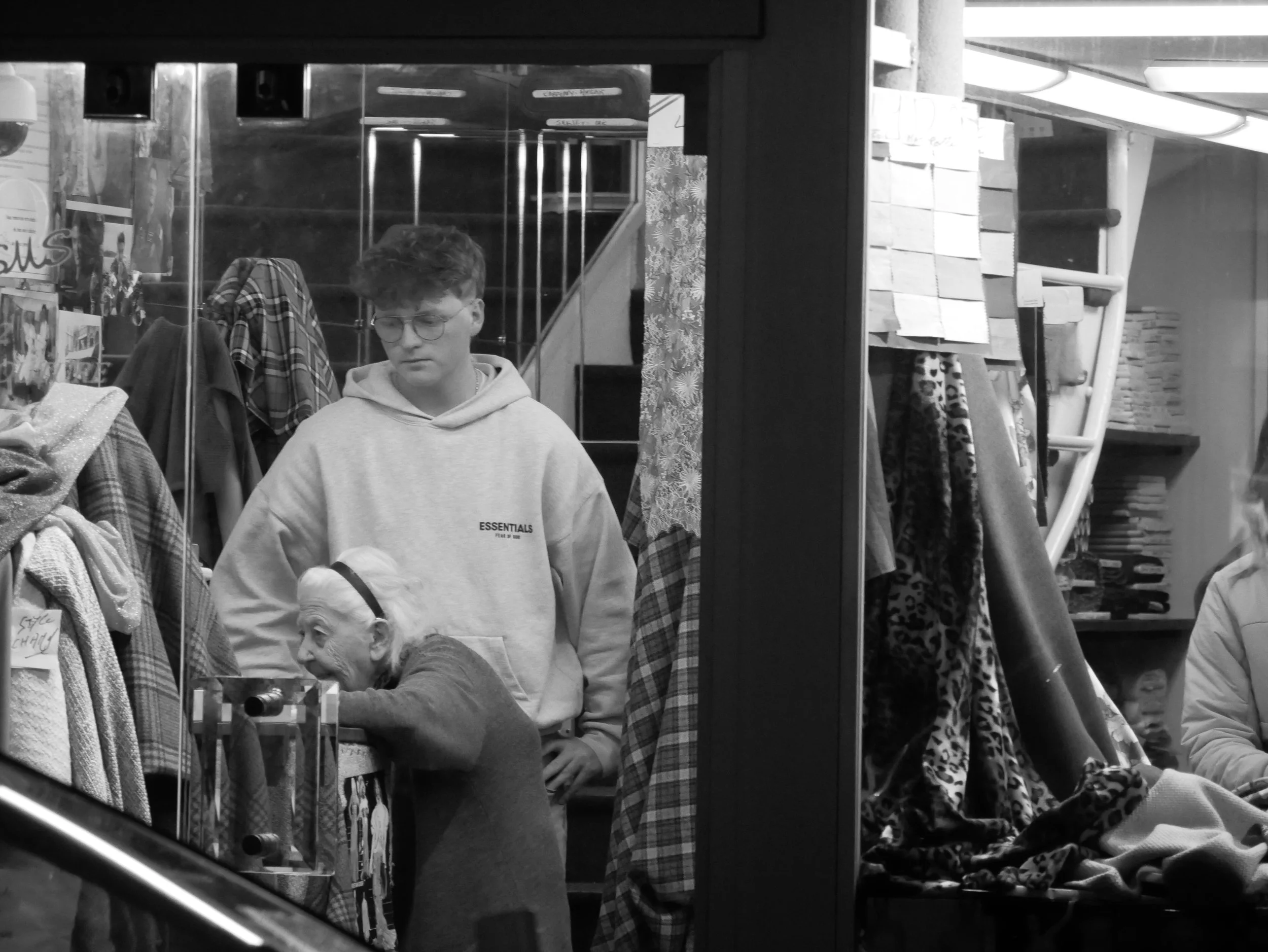
la grand-mère chez Lydo Tissus, rue du Président-Édouard-Herriot - 2025 - Digital photograph
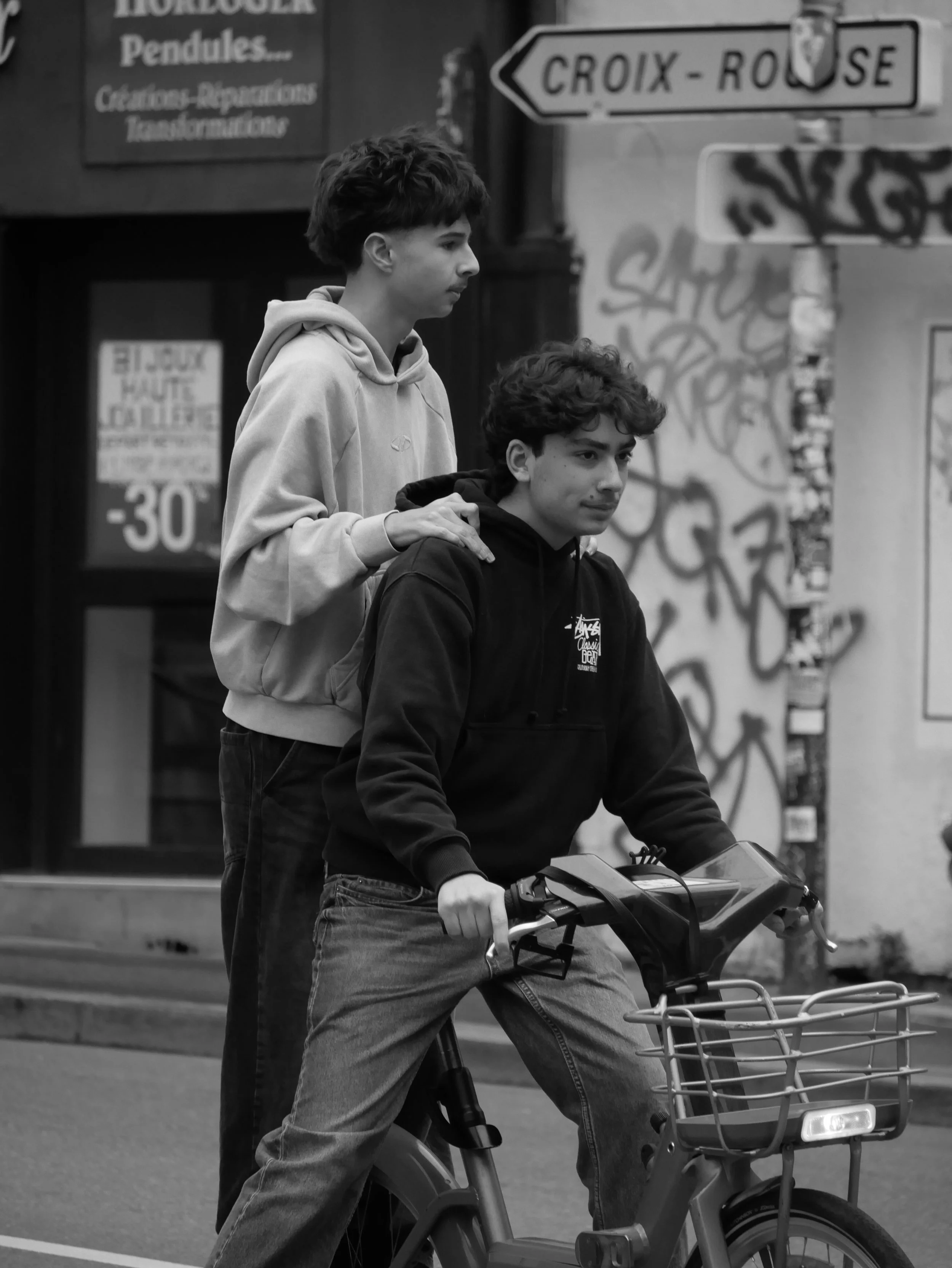
deux garçons sur un Vélo'v - 2025 - Digital photograph
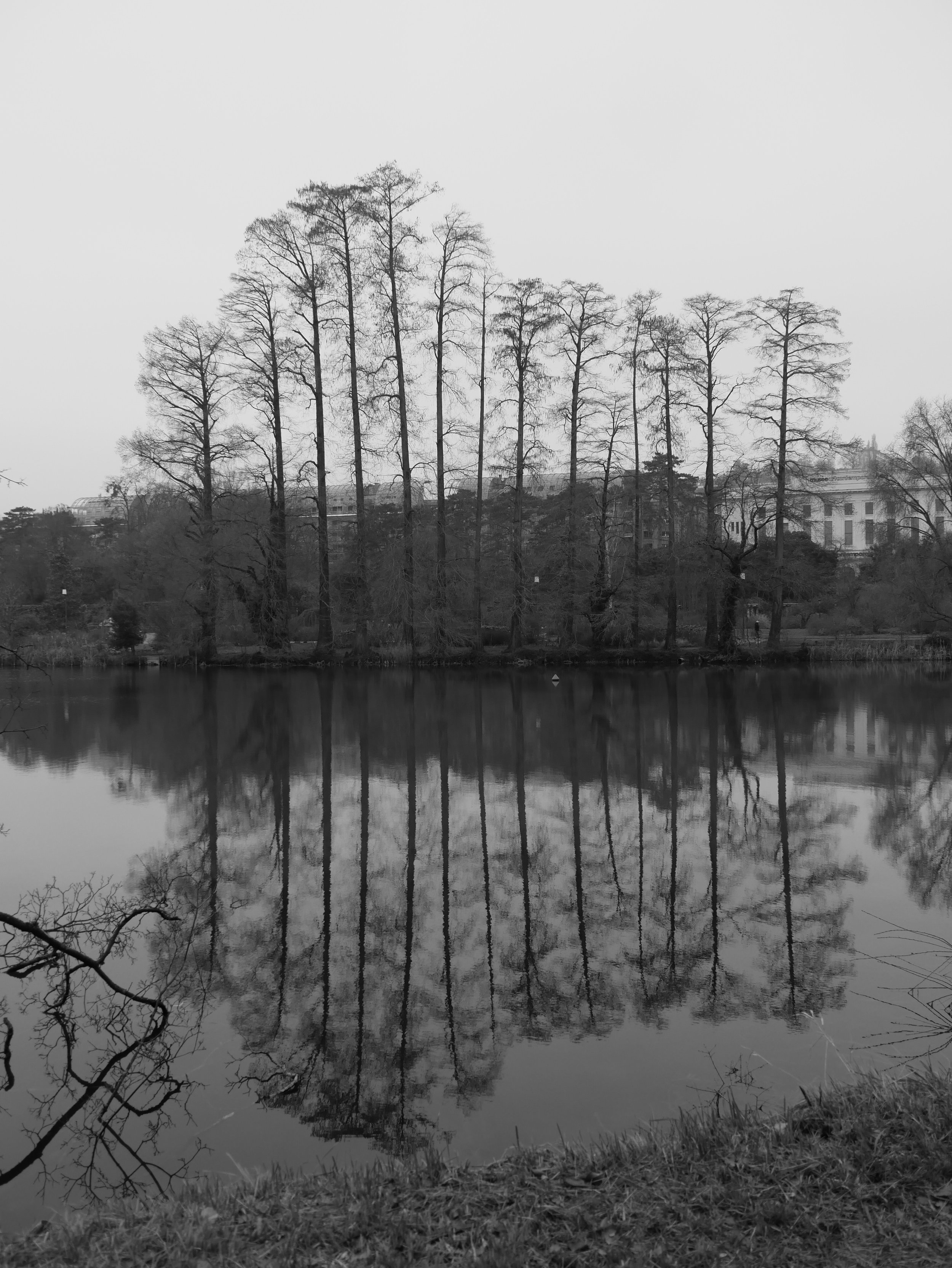
arbres nus alignés au Parc de la Tête d'Or - 2025 - Digital photograph
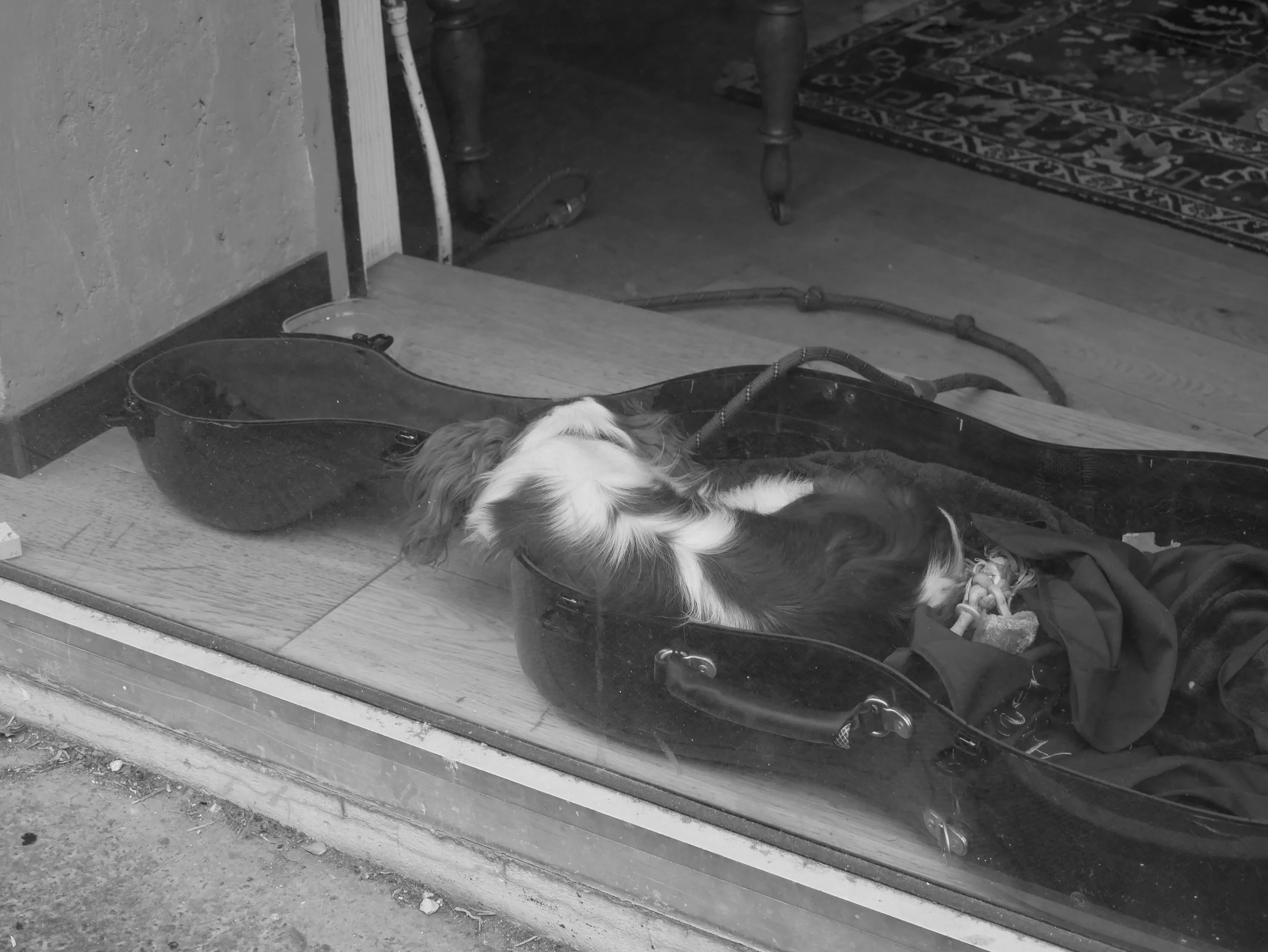
chien dans un étui à violoncelle dans une vitrine - 2025 - Digital photograph
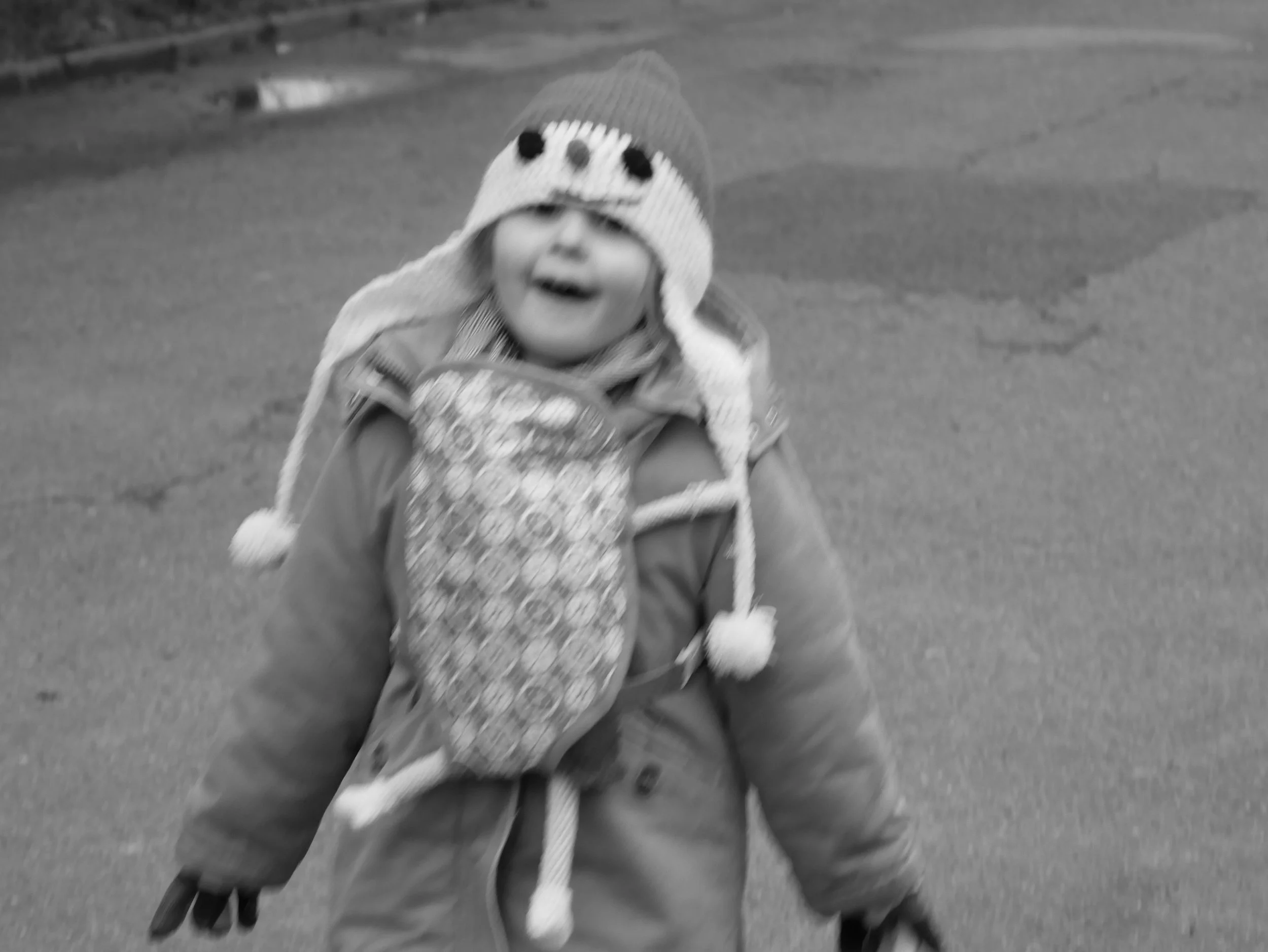
petite fille au Parc de la tête d'Or - 2025 - Digital photograph
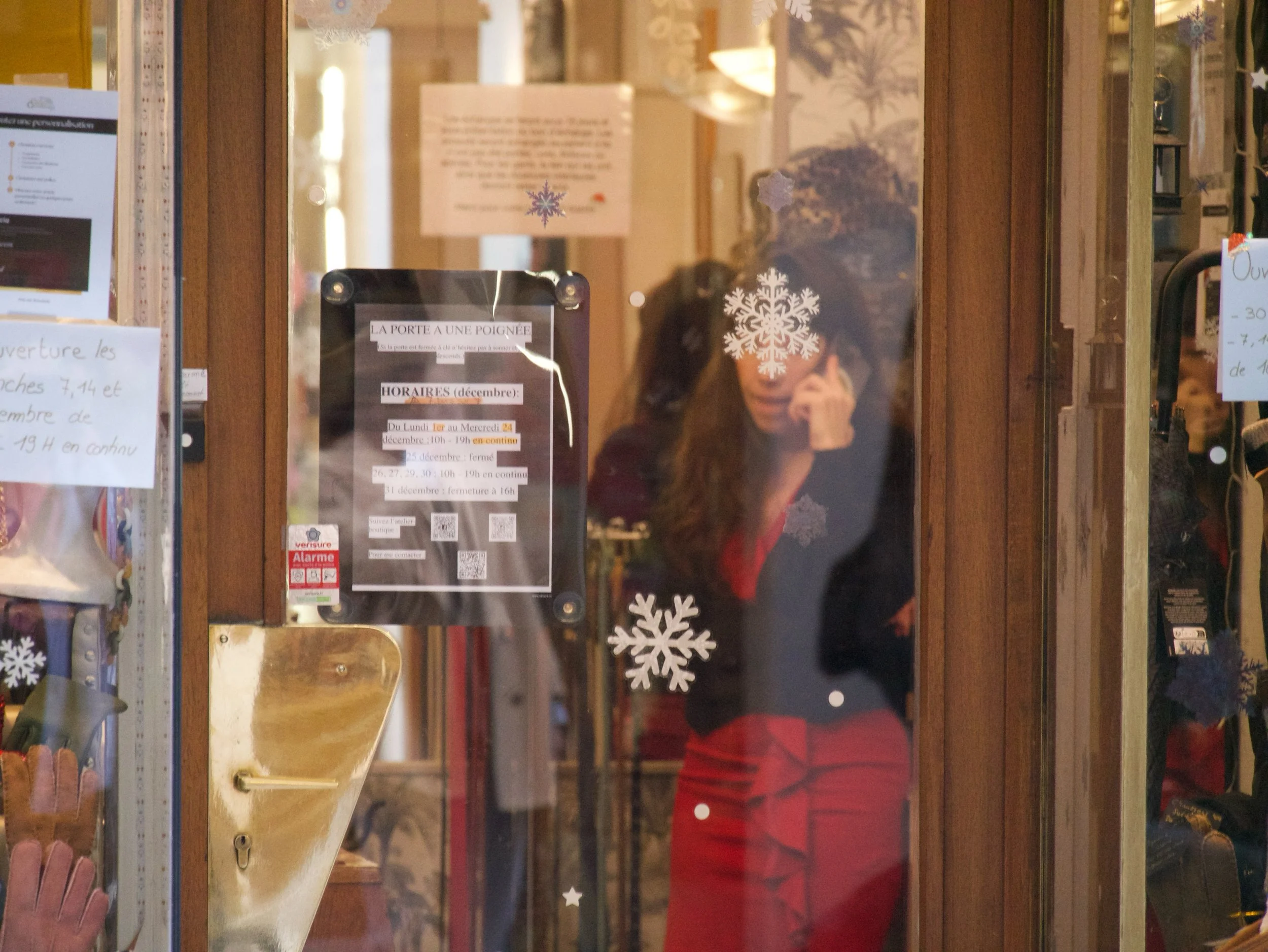
autocollants sur la porte vitrée d'une ganterie, rue Émile Zola - 2025 - Digital photograph
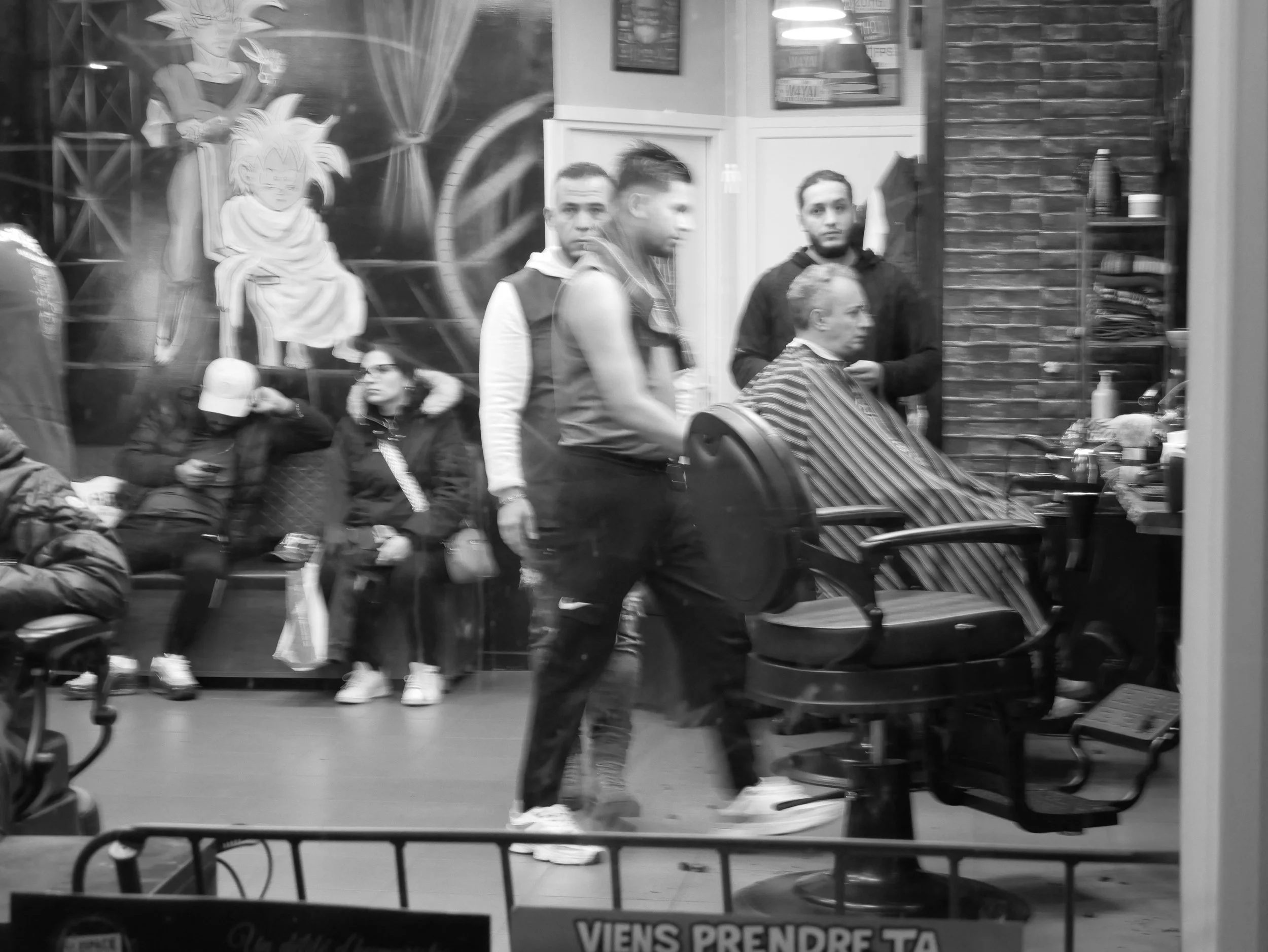
salon de coiffure pour hommes - 2025 - Digital photograph
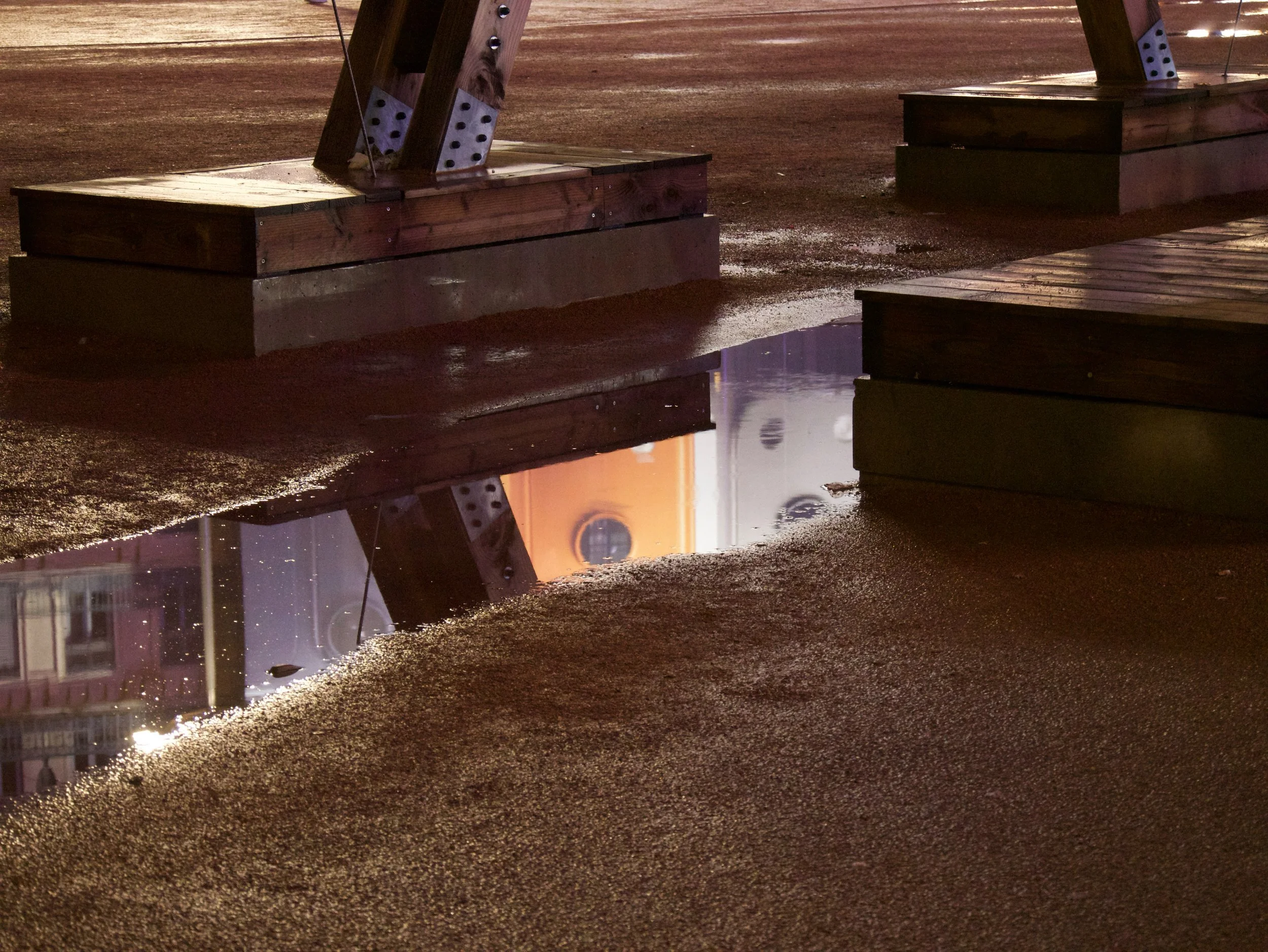
reflet publicitaire place Bellecour - 2025 - Digital photograph
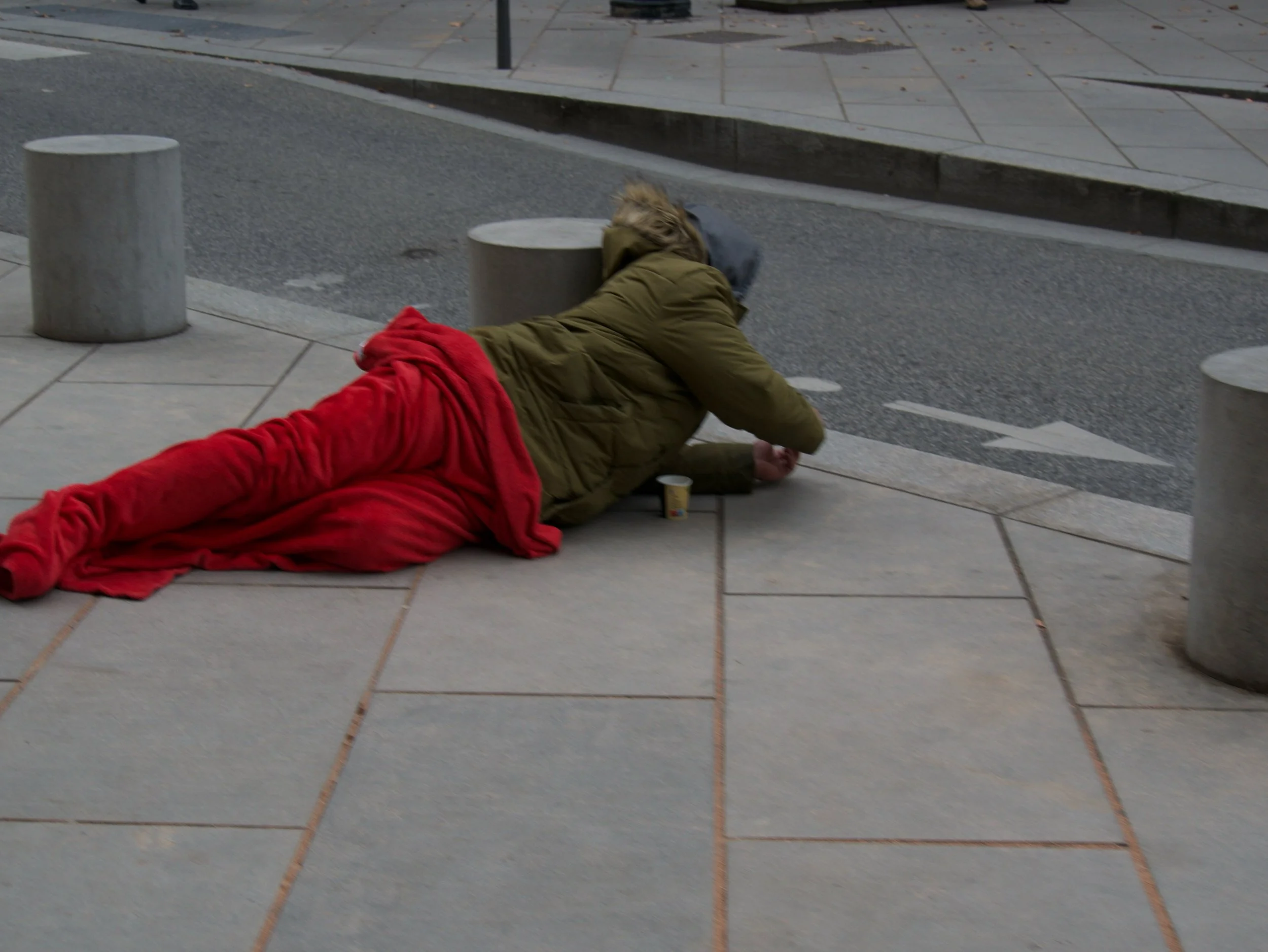
sans-abri dans sa couverture, rue de Brest en face de l'église Saint-Nizier - 2025 - Digital photograph
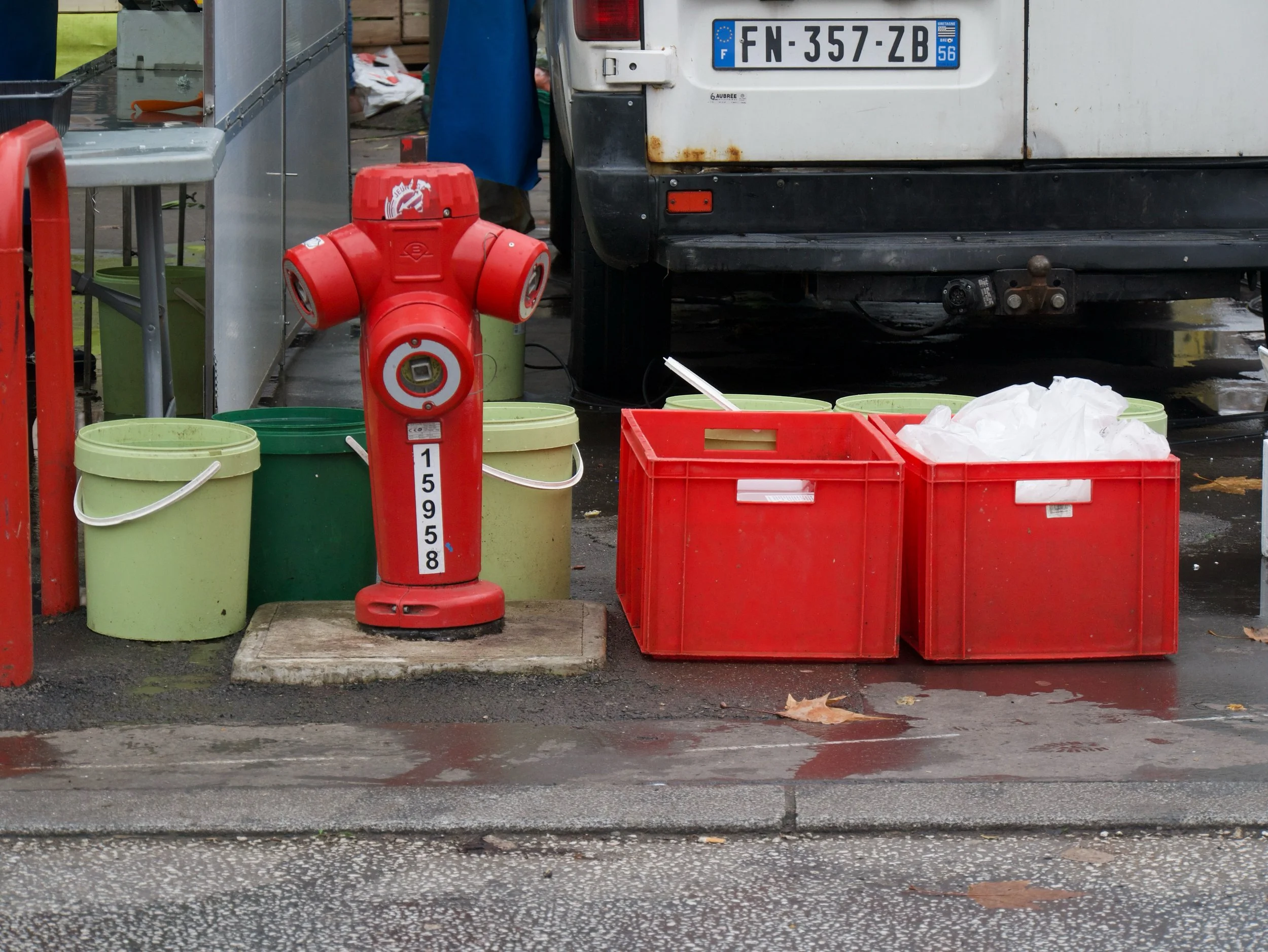
un râtelier, une borne d'incendie et deux caisses rouges - 2025 - Digital photograph
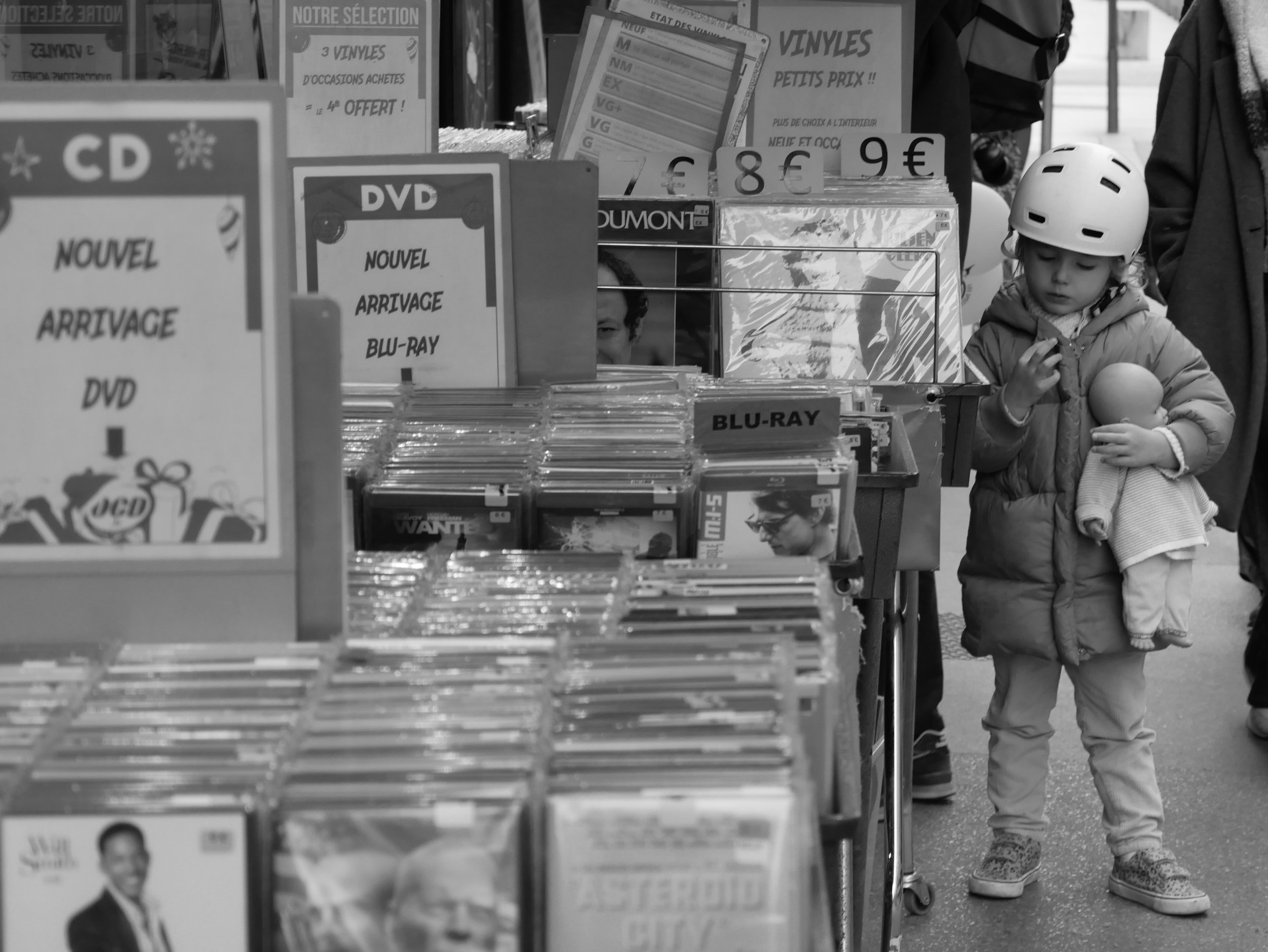
petite fille chez le disquaire - 2025 - Digital photograph
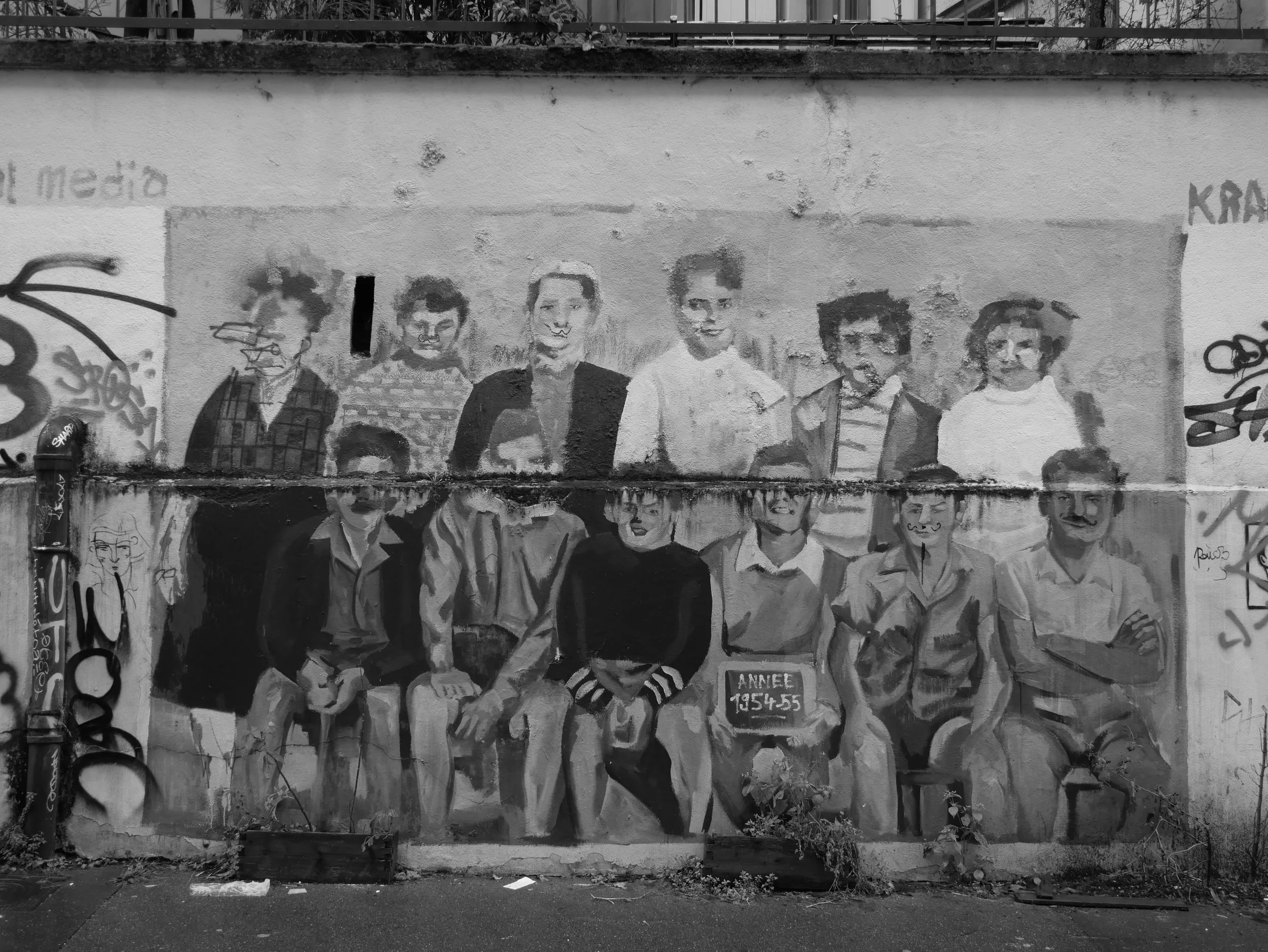
peinture de groupe rue Célu - 2025 - Digital photograph
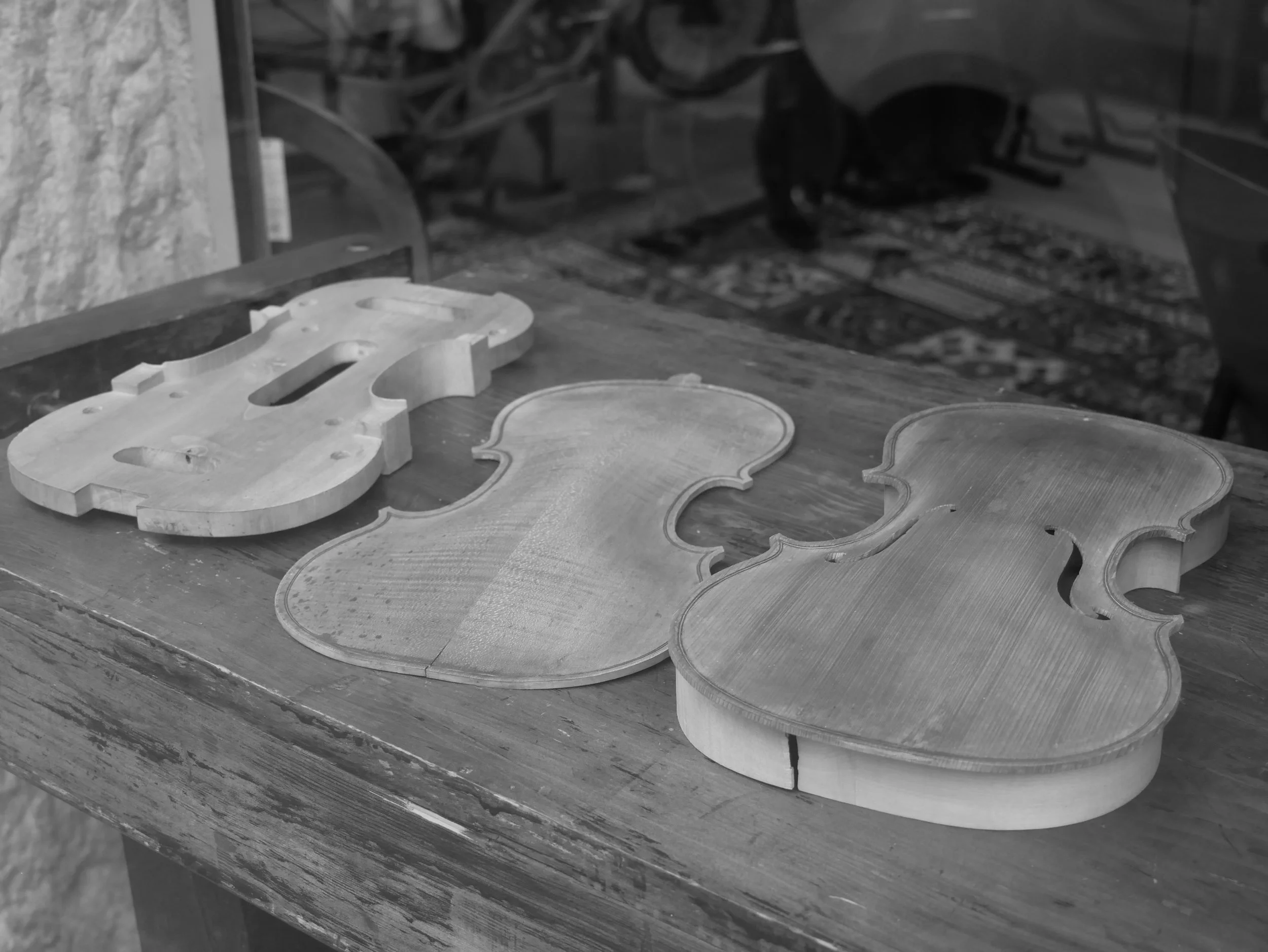
trois morceaux de violon - 2025 - Digital photograph
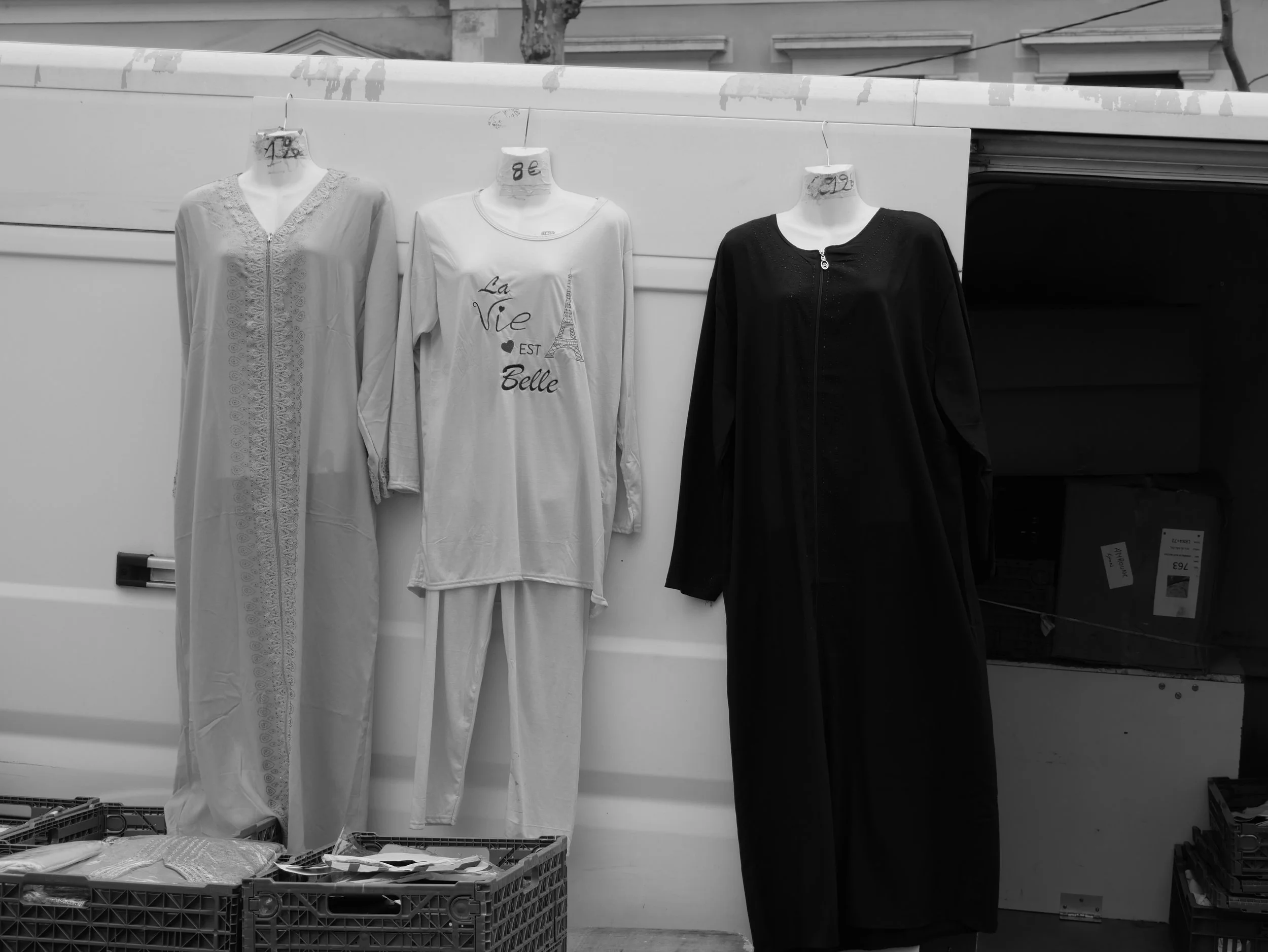
habits pendus au camion - 2025 - Digital photograph
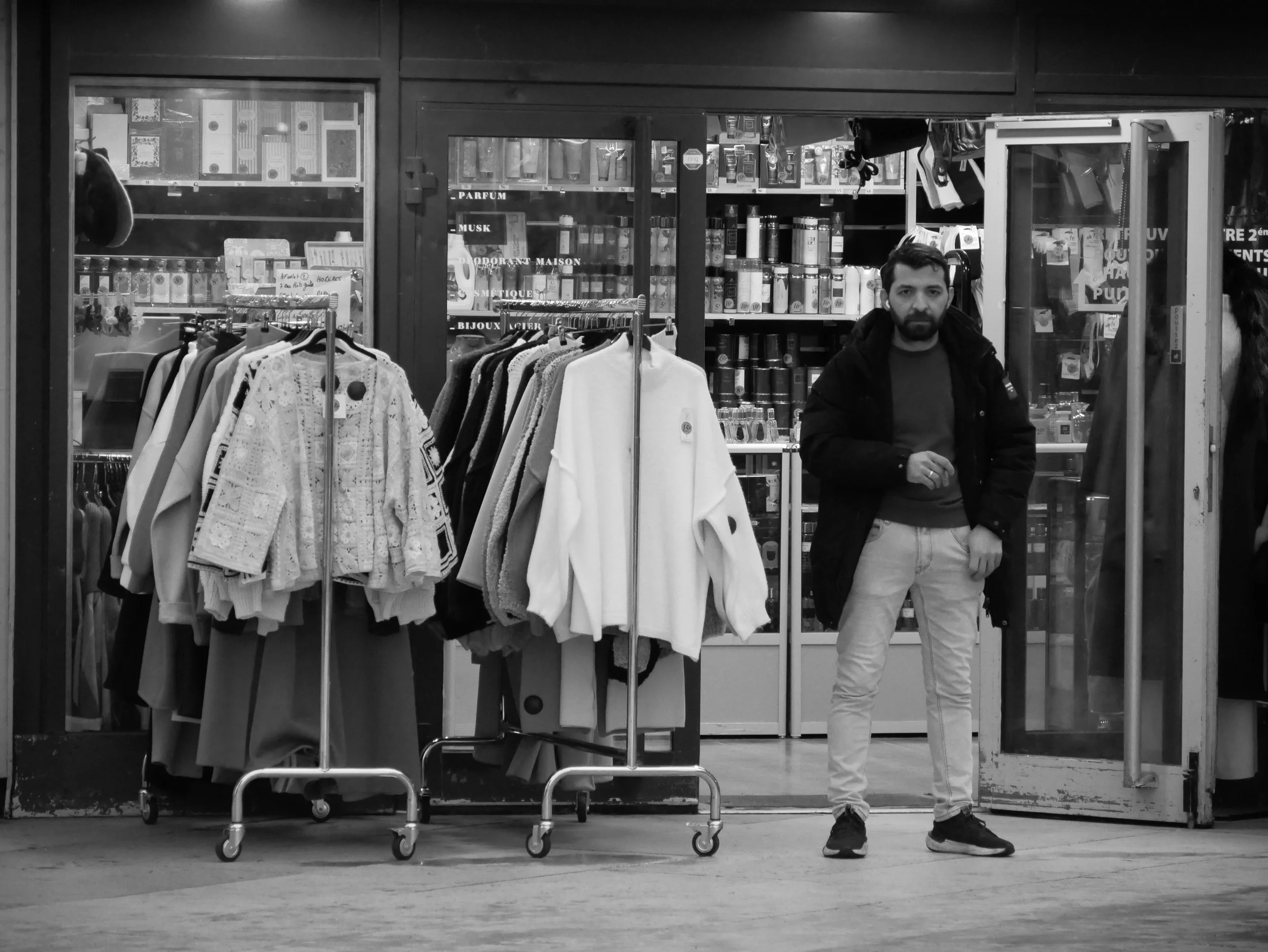
homme sur son pas de porte, Place Louis Pradel - 2025 - Digital photograph
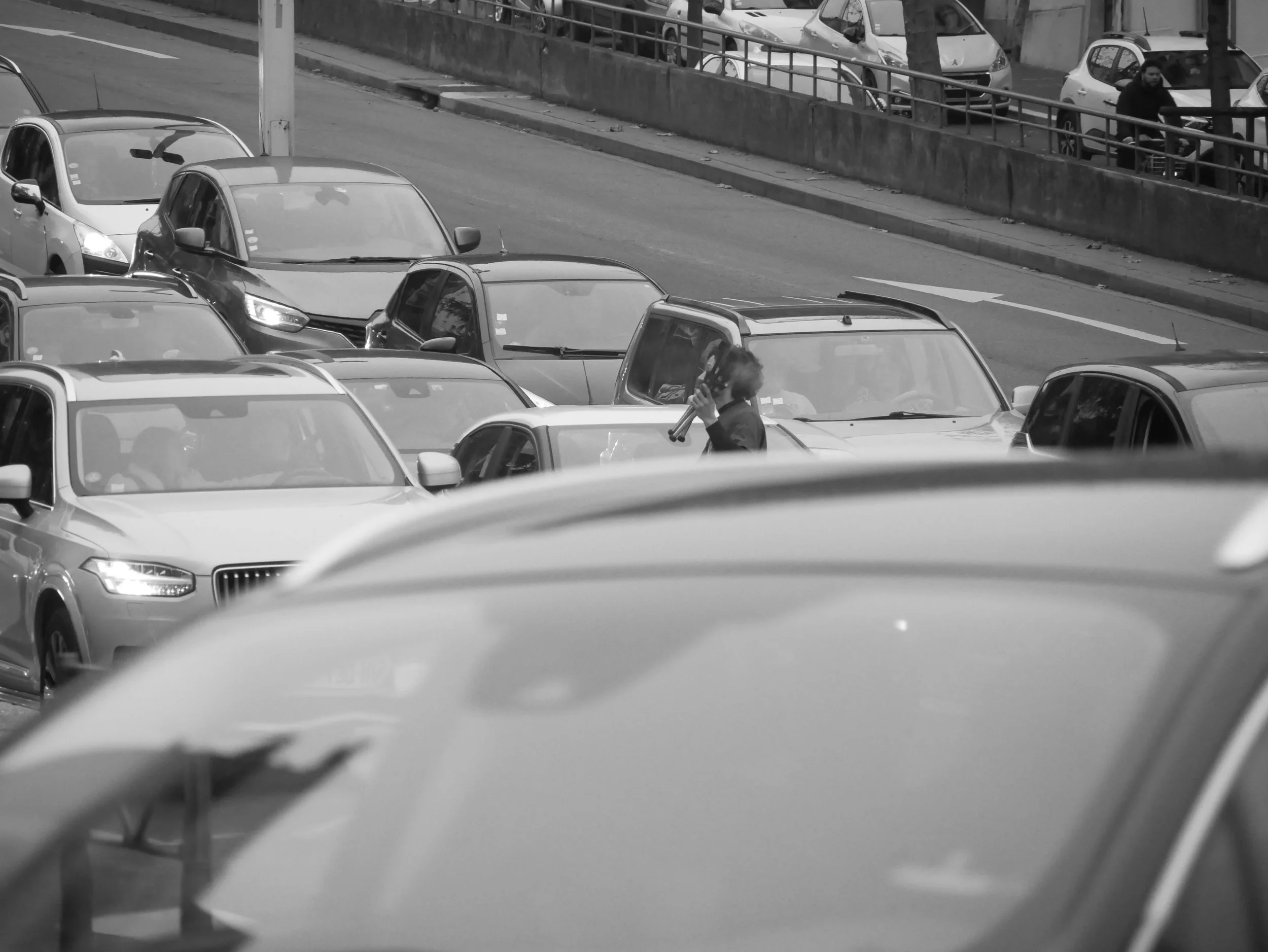
circulation Montée de la boucle - 2025 - Digital photograph
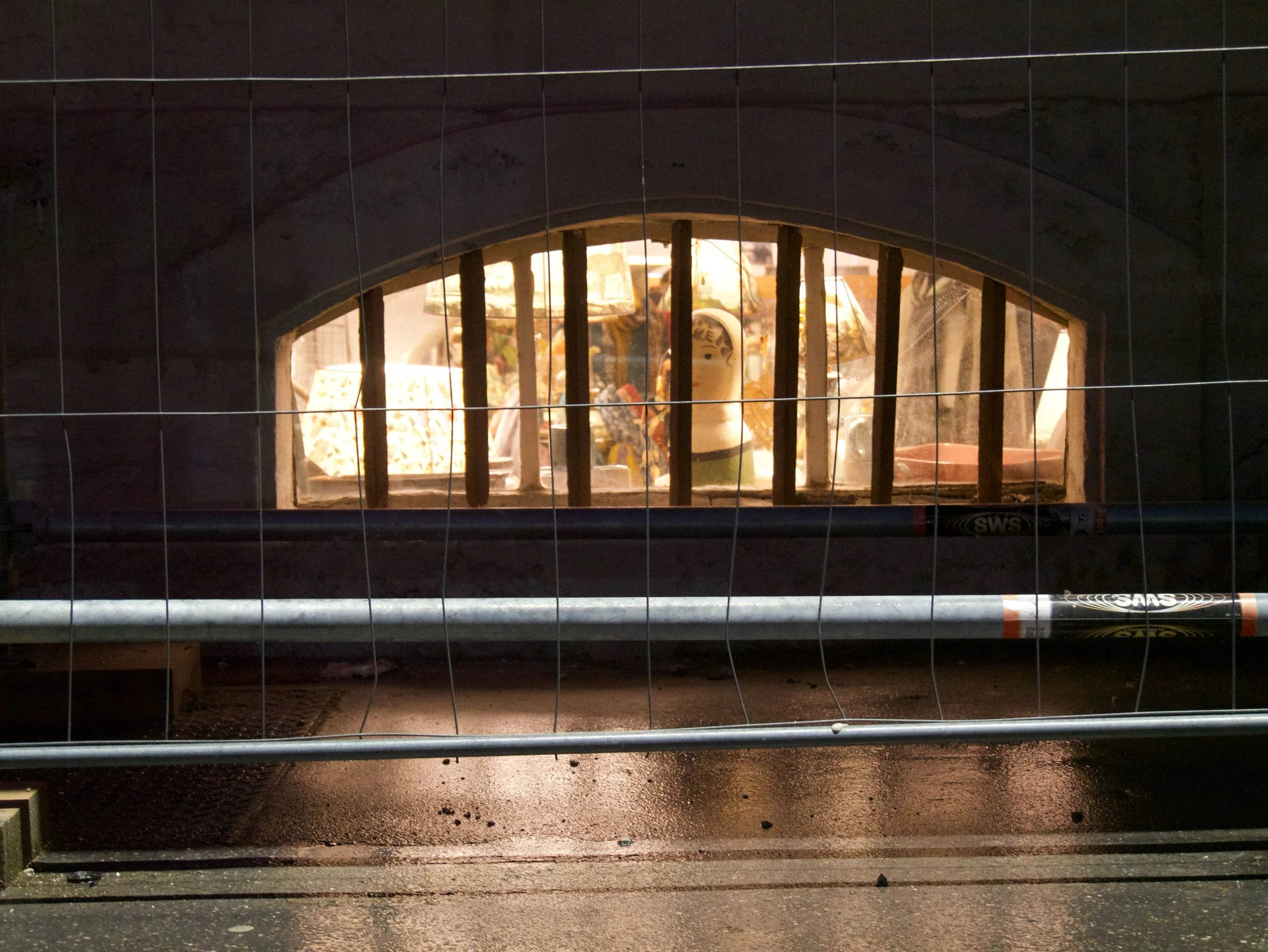
magasin en sous-sol, Place Bellecour - 2025 - Digital photograph
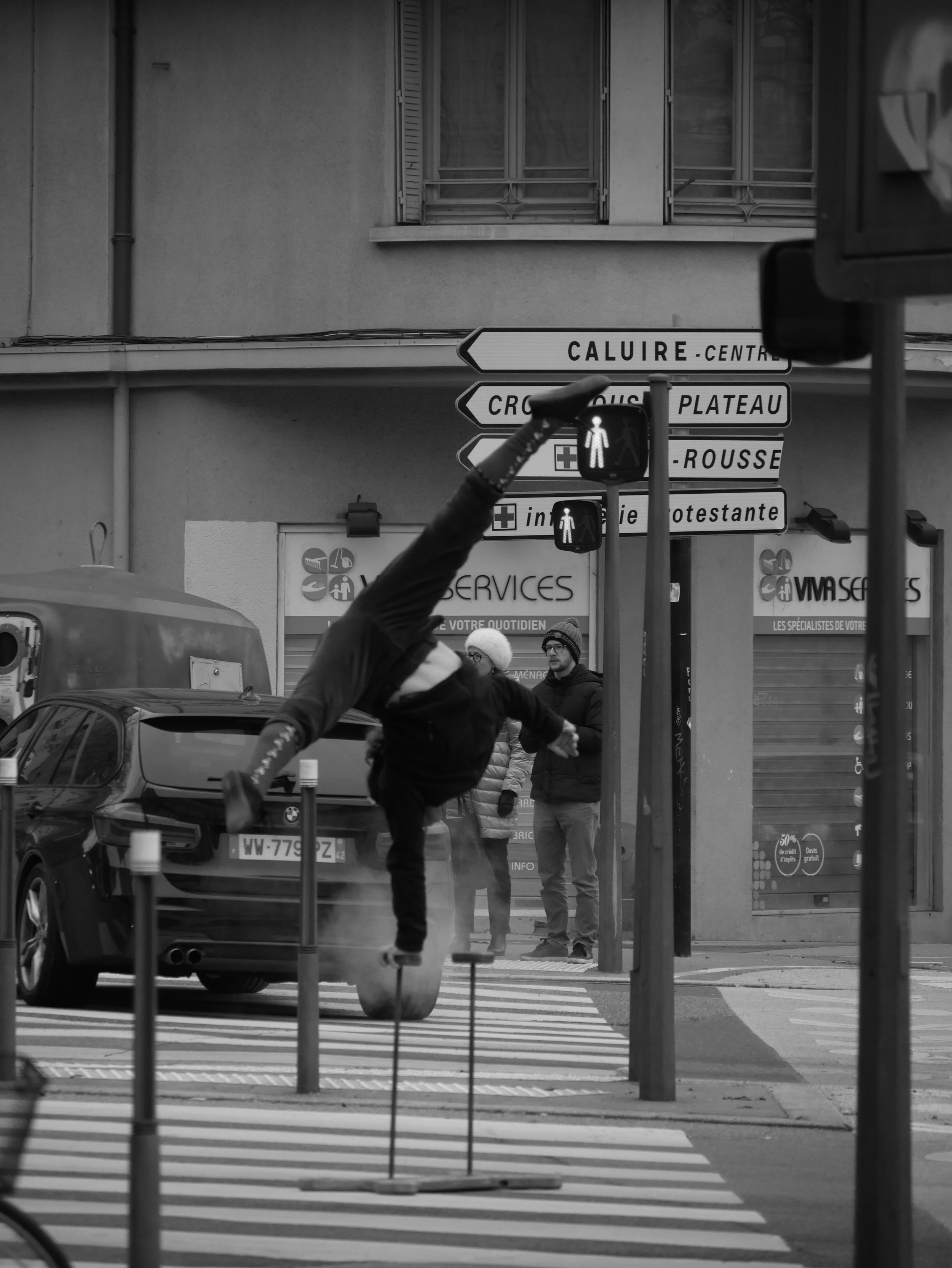
acrobate au passage piétons - 2025 - Digital photograph
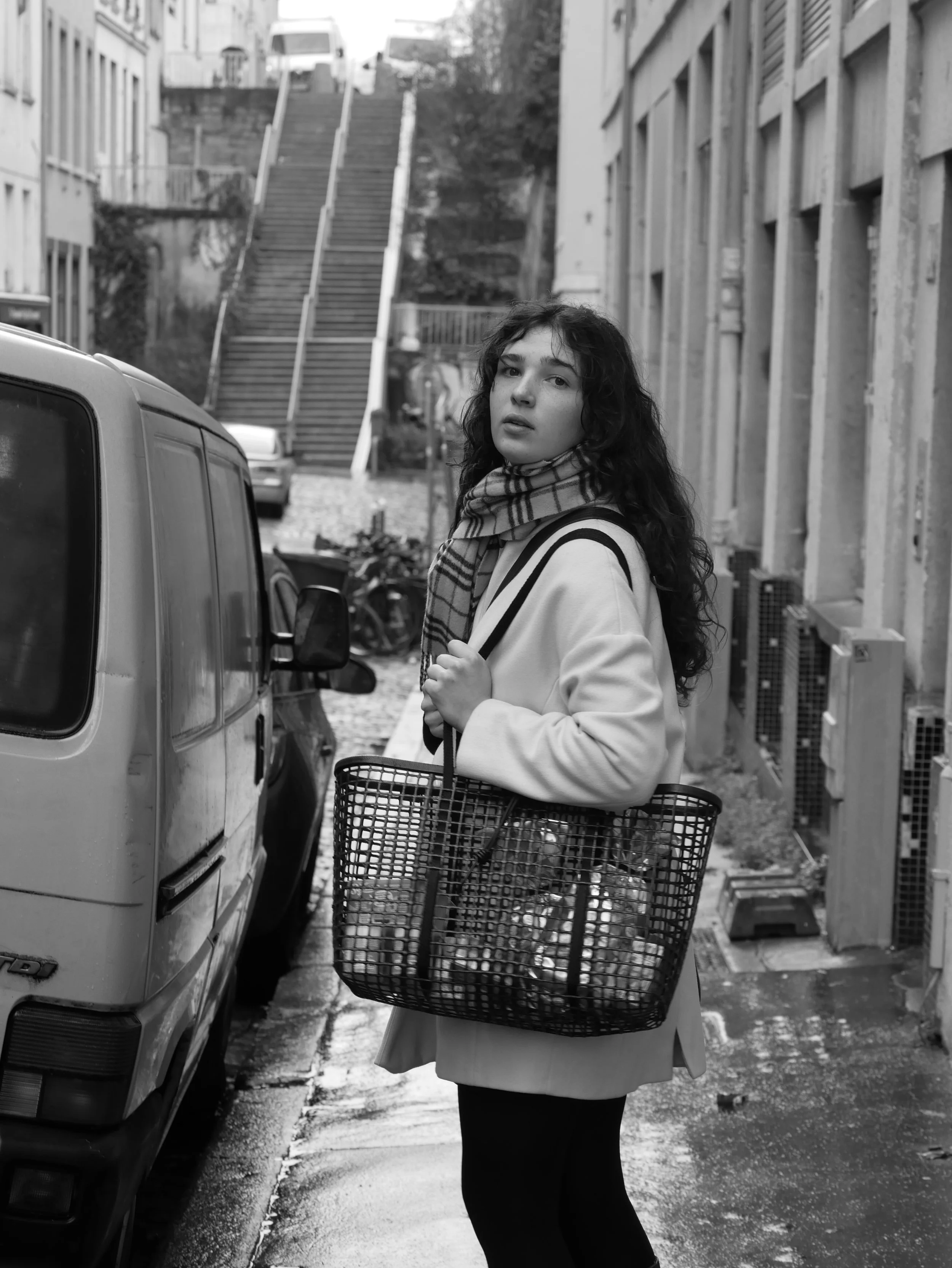
Roxane revenant des courses - 2025 - Digital photograph
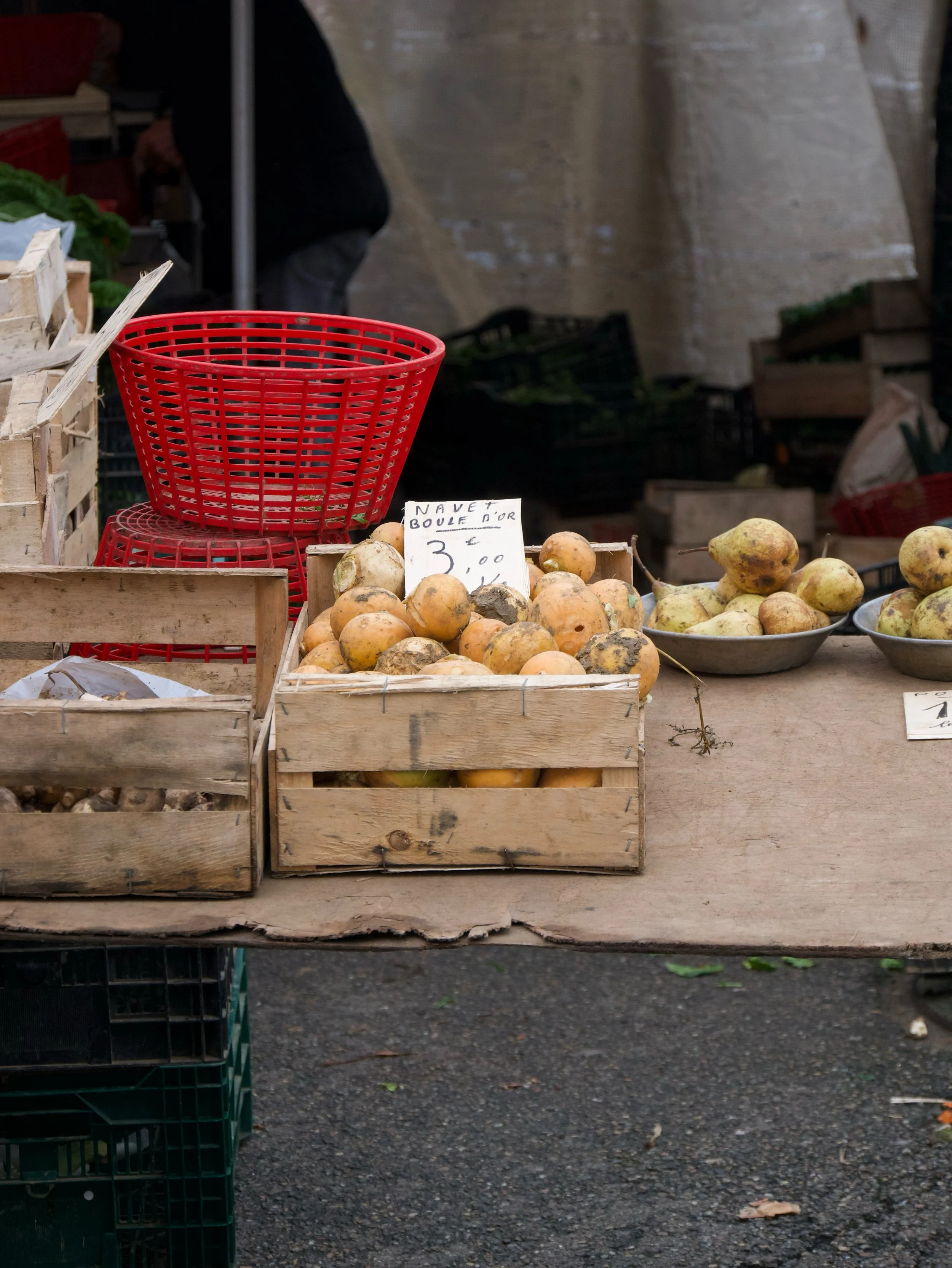
caisse de navets boule d'or - 2025 - Digital photograph
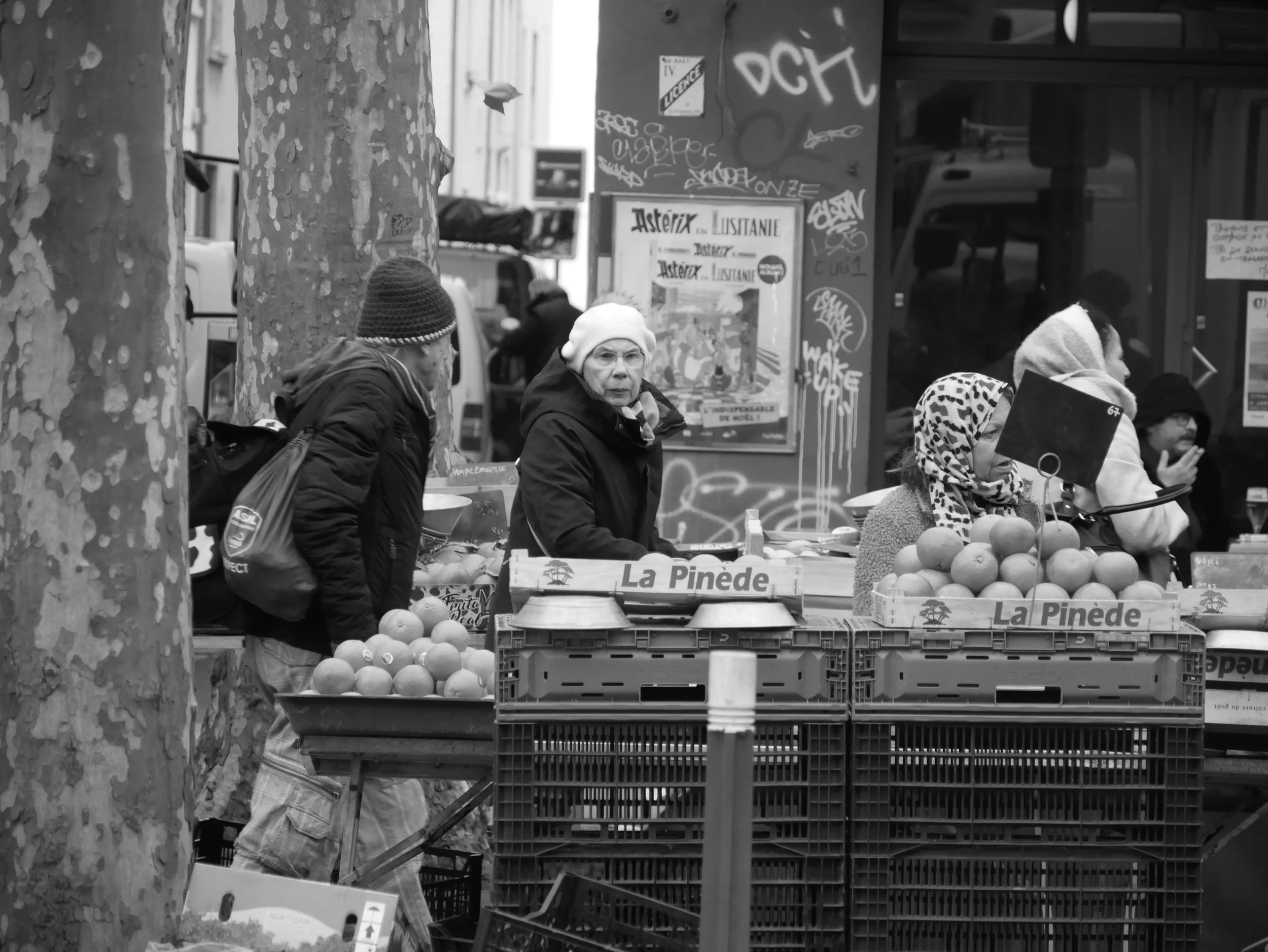
marché de la Croix-Rousse la veille de Noël - 2025 - Digital photograph
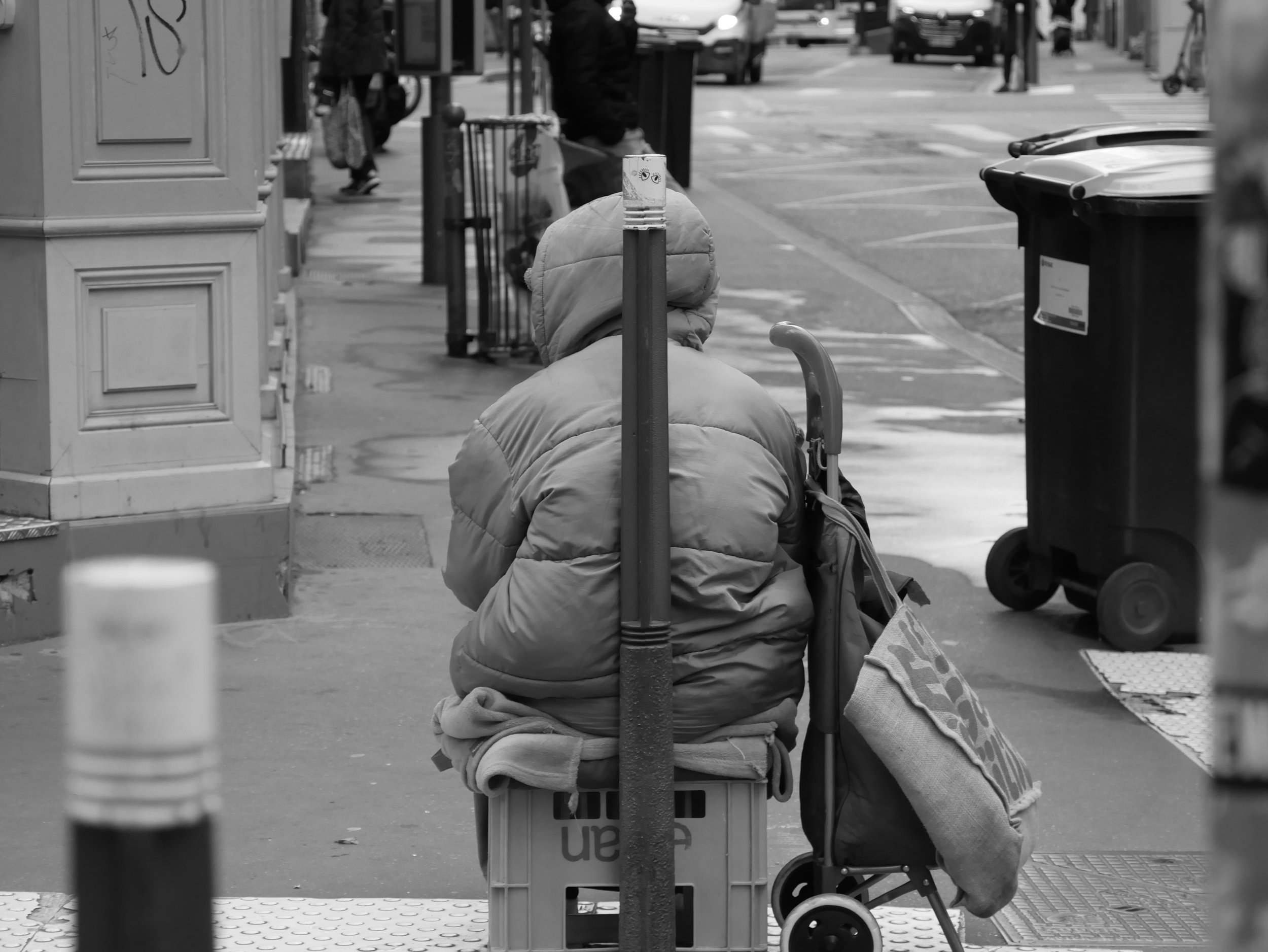
à la Biocoop - 2025 - Digital photograph
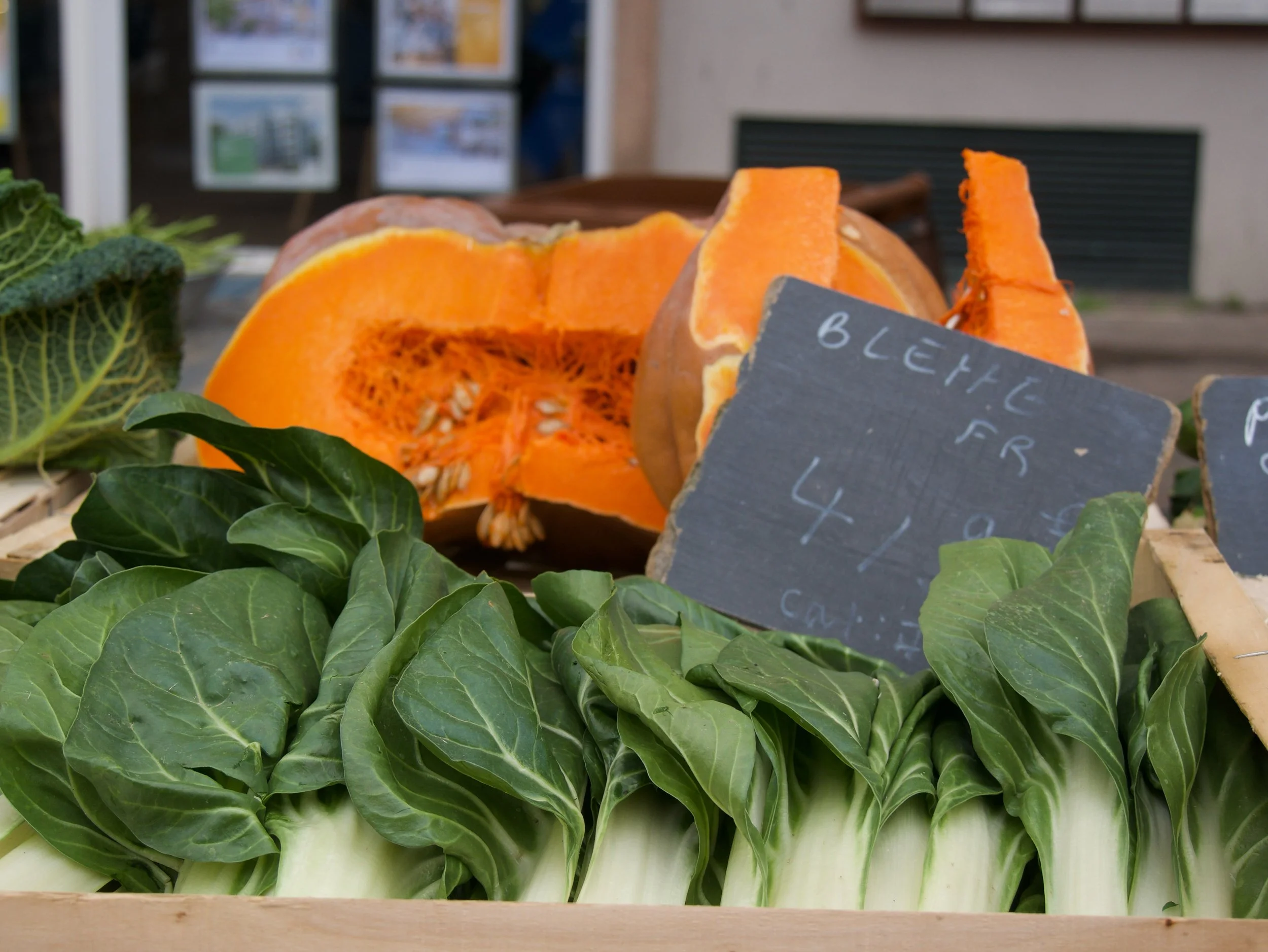
étalage de blettes et de courges - 2025 - Digital photograph
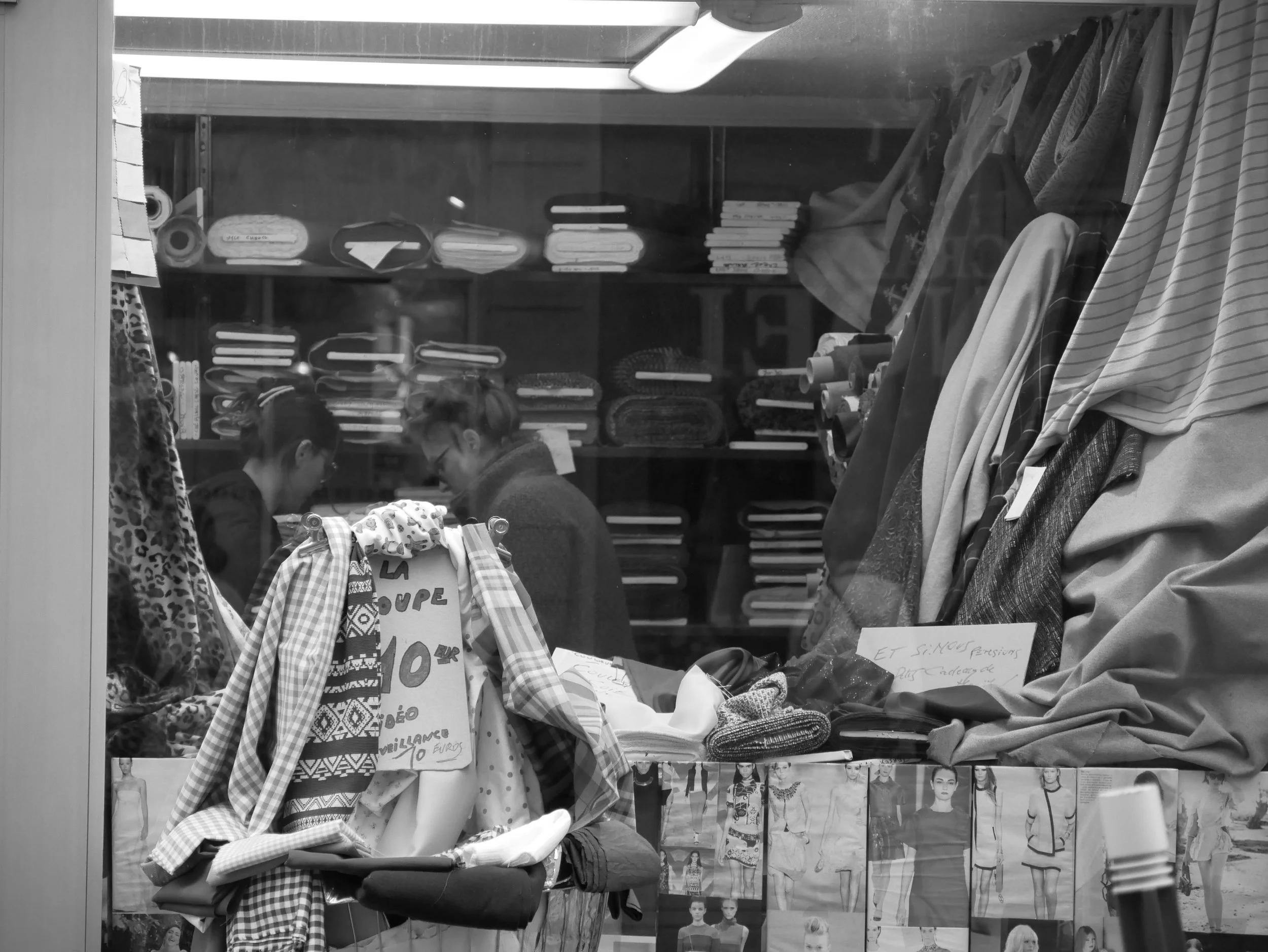
vitrine de tissus à la coupe - 2025 - Digital photograph
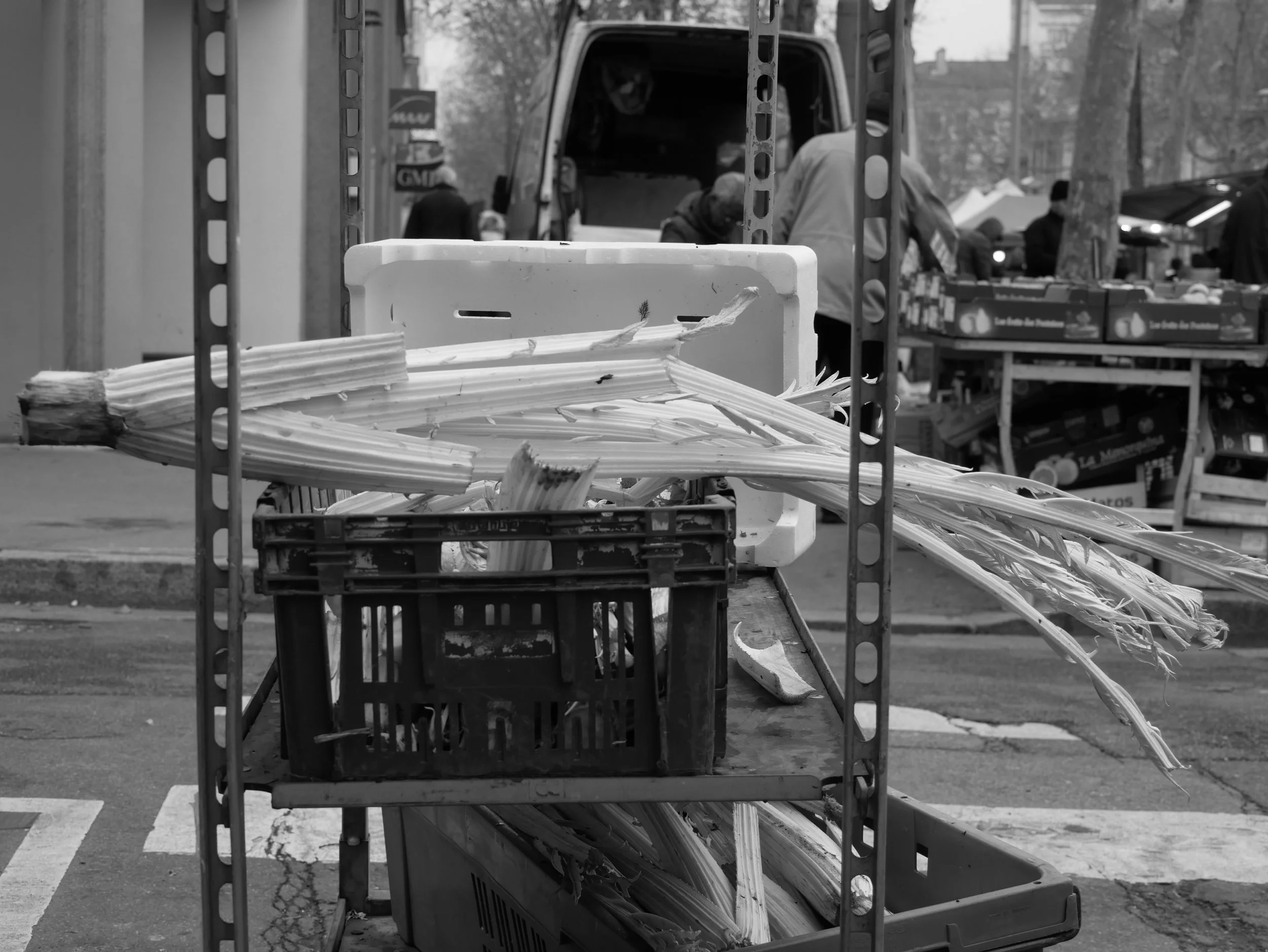
botte de cardons - 2025 - Digital photograph
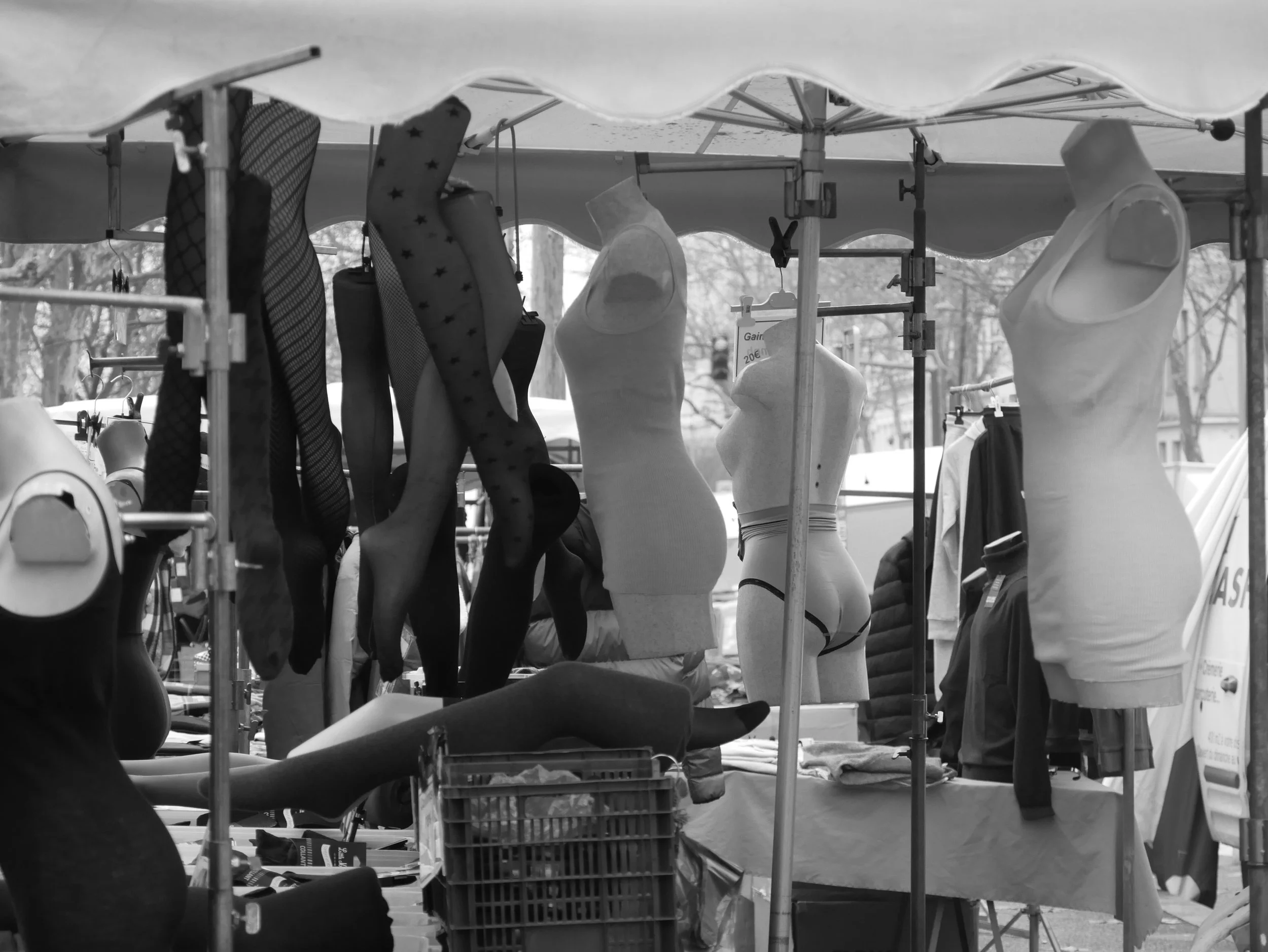
jambes pendues - 2025 - Digital photograph
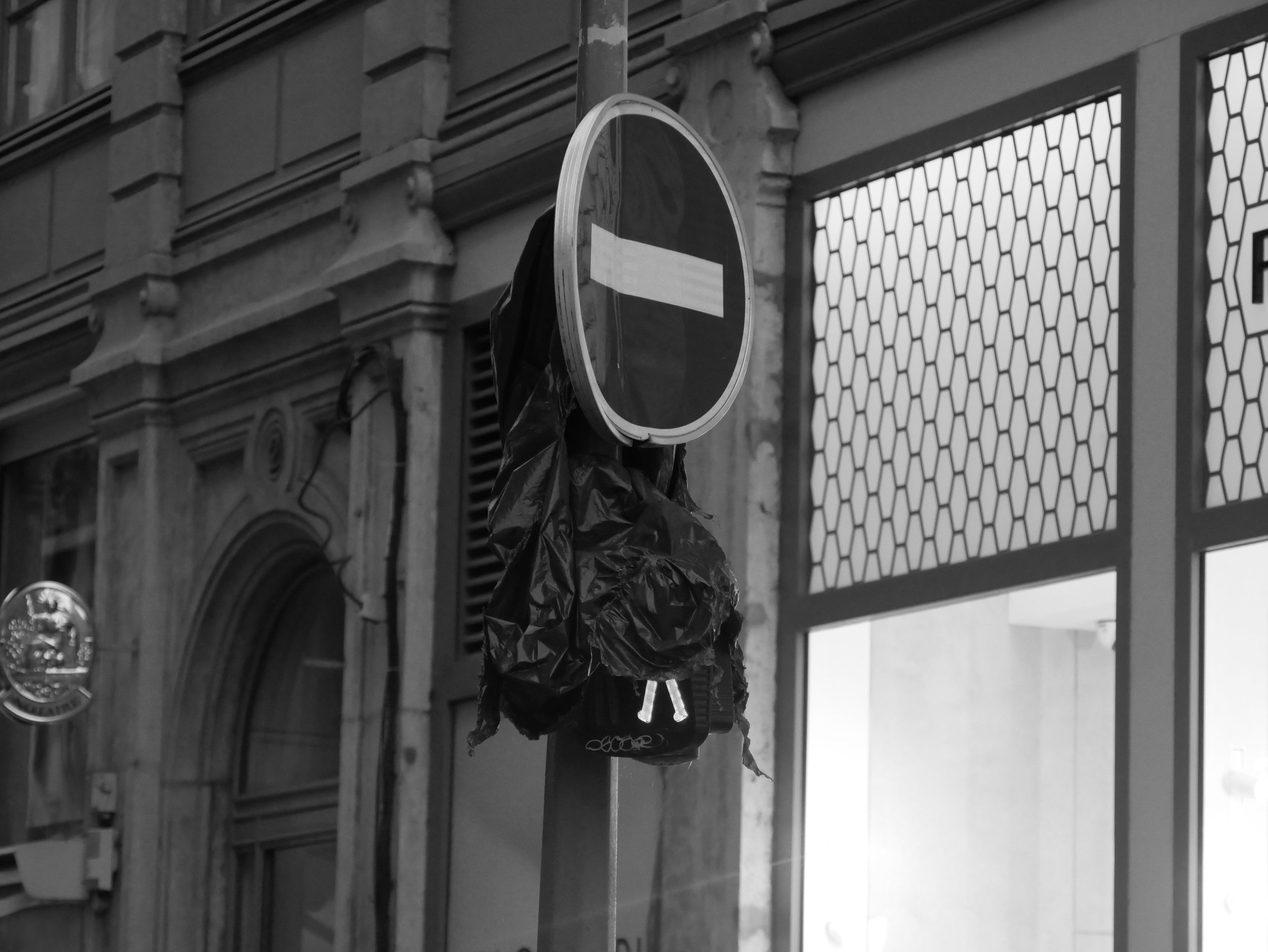
feu vert - 2025 - Digital photograph
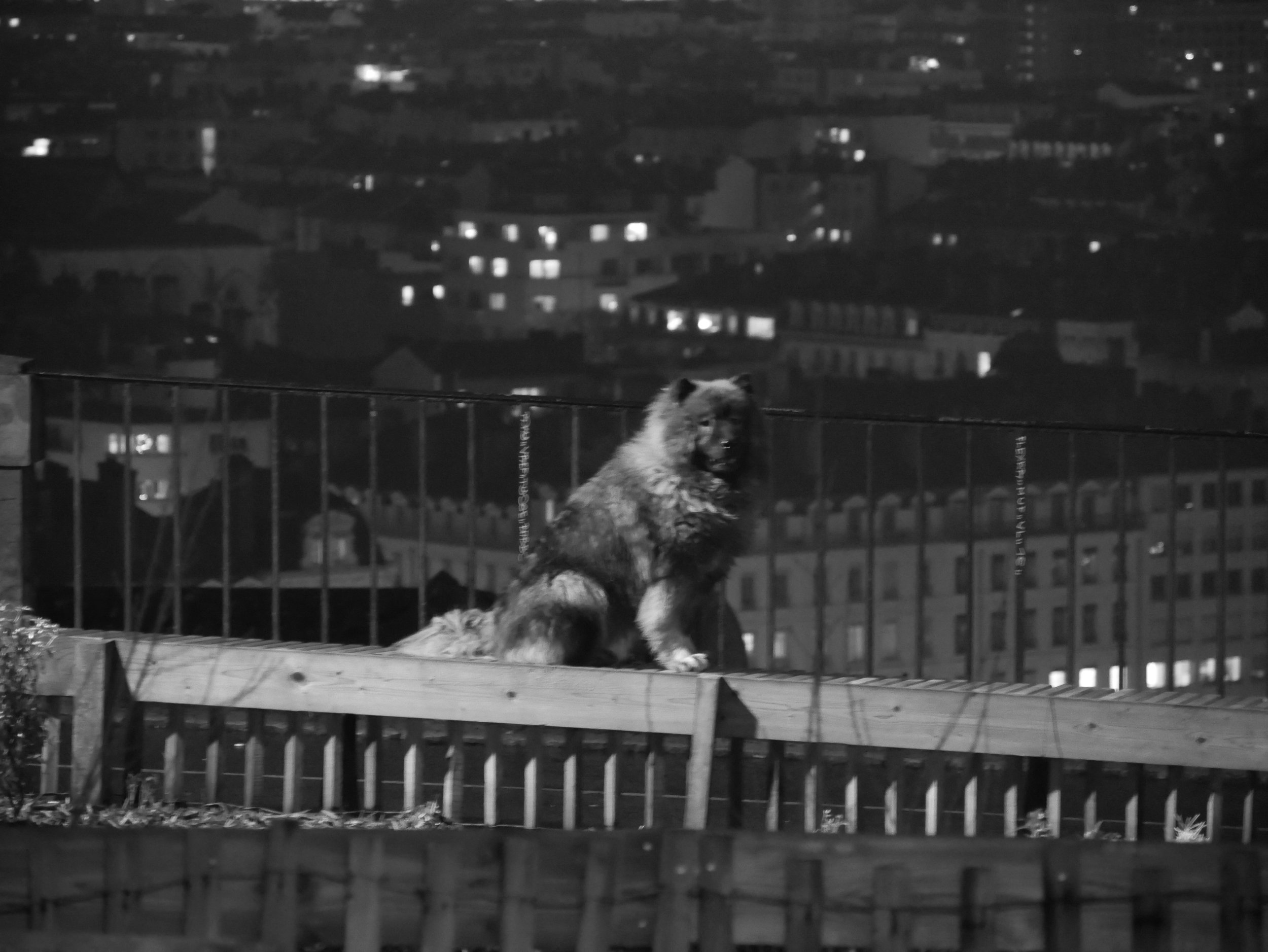
un chien sur l'esplanade Place Bellevue - 2025 - Digital photograph