Pappous on the ride
Attica 2019
“No flowers, no wreaths.”
Driving
What is it you think about while driving a car? It can be a short ride to the hypermarket, or a longer drive to any destination. Either way, your focus will at some point drift away from the road. Your hands on the steering wheel will grow numb, your attention will sink, for your hands cannot be occupied with anything other than the car. You can briefly look at yourself in the rearview mirror. But since your movements are restrained inside the car’s body, much more space for thought arises. You can rethink the grocery list, plan a short stop on the motorway sometime soon, dream about your destination or the people you are on your way to meet. And what if you are the passenger? What if the driving is not under your control at all? You might feel even more benumbed, nauseous sort of. But you might also find that the space for thought broadens even more there. Sitting in the back of your iron scrap body: think about it. Or your friend’s, your relative’s, who has invited you into their thinking box on wheels. Do not feel any pressure to reflect, to look, or even to feel. Bog yourself down in boredom or in sleep.
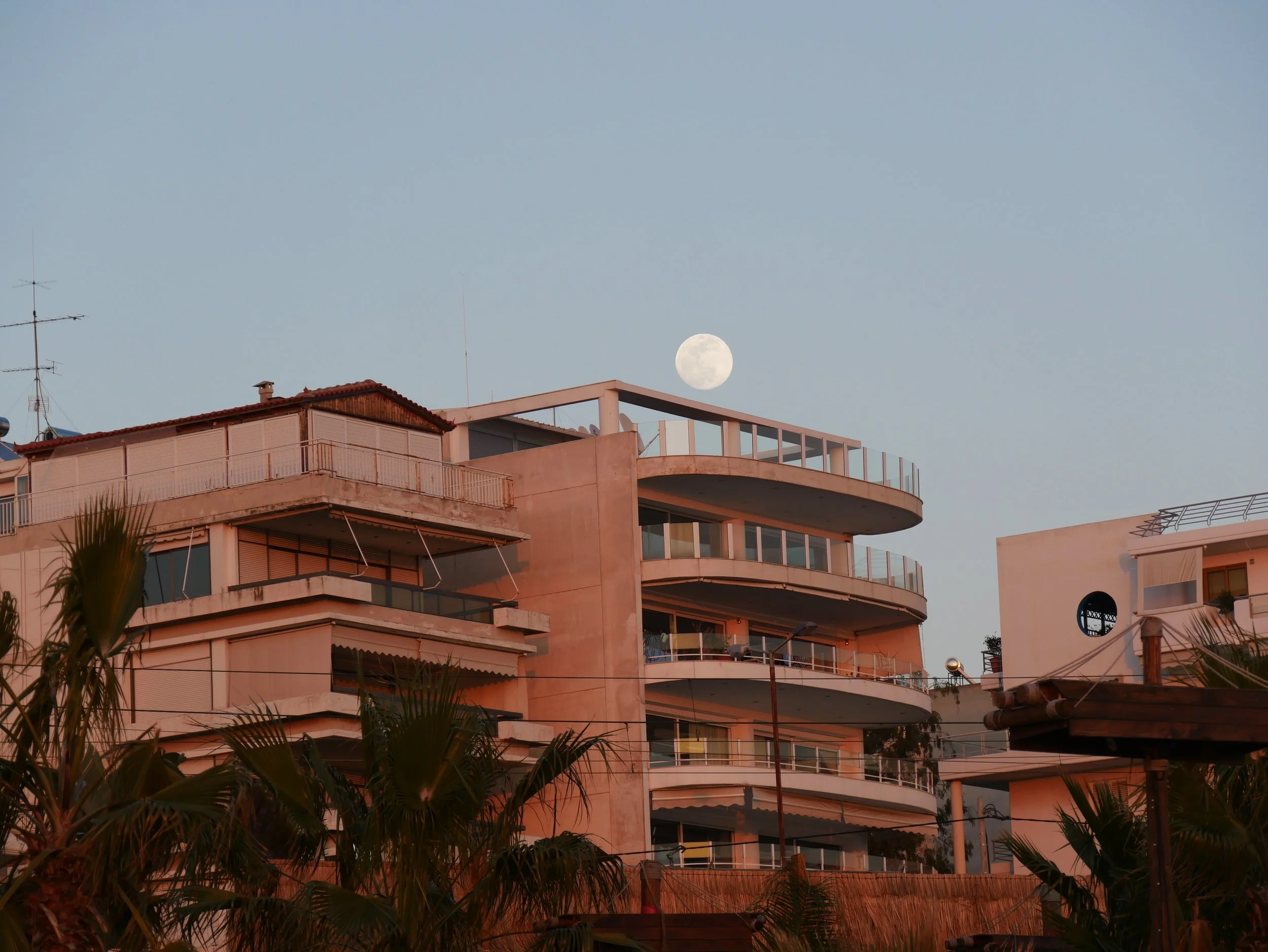
buildings on shore - 2019 - Digital photograph
My good friend Lova knew about that car numbness. I believe she did not have her driver’s license. So she’d always sit in the back. Any time we drove, she would so easily drift away from our reality. She’d fall asleep in the blink of an eye. As if she had two strings connected to the curtains of her eyes. She could pull them and turn her eyelids inward. When I watched her, I often wondered, “Can she dream on command?” What else did she choose to see on the other side? For whatever is here, seen from the car, does not interest her at all. Back then, next to her on the backseat, I spent long stretches of time silently looking through the car’s window. One day we were driving through Attica with Pappous, we stopped by a cemetery. I think our engine had given out in the cold, but since he spoke only Greek, I couldn’t be sure. We had to stop, and I stepped out into the winter air. Lova was still sleeping in the car; the silence after the engine shut down did not wake her. Neither the lack of vibration. Her dreams needed no lullabies.
I stepped away from the car and walked through the clay-colored light of sundown. My shuffling footsteps licked at the mist on the hill, stirring marble dust embedded in the hollows of tree trunks. I followed a short fence. There was a paleness of absence within the brown shades of the earth. Frozen shapes clung to the roofs of the cars. I could tell some of those cars had been parked there for a very long time. All covered in dust and rust, as if they had belonged to the dead, who one day drove up here, quietly left their car behind, and went to settle inside a gravestone. I like to think that they chose their moment, and the car is merely a witness. A couple of footsteps and I looked through a car window, I glimpsed my own grandfather sitting inside. He looked transparent and young, wrapped in a checkered scarf, his cap pressed against his skull as it always was. He was not there, of course, and yet I could see his grey, overly thick hands guiding the steering wheel like a ballet conductor synchronizing music and movement. Just as, when I was a child, the unresolved mystery of a car moving so precisely on its own had astonished my young mind, my grandfather was performing it once again. Finally, as he intended to stop the engine, he melted inside the cockpit. In a cloak of dust, he was gone. The choreography of driving dissolved in an instant.
Far away in the cold, I could hear the humming of Pappous talking with the mechanics. At last, I reached the gates of this white cemetery. I opened my eyes wide—dry eyes, dry from earth, from cold, from indifference. Back then, my eyes held no roundness; life had torn it from them. I stayed there for a moment, reassured by the certainty that my friend was still peacefully sleeping in the car. So I closed my eyes. Then I could sense all this life growing among the dead. Sightless, I could hear the birds chirping. I smelled the moss blooming on the gravestones. I felt the breeze tapping gently against the stone, and tasted the smoke of wood burning in winter. This stillness wasn’t flat at all.
***
What happens when time runs out for us, when we no longer know much? As if we ever knew how much. As if we did not ignore our definite for an entire life. Possibility wears away, along with the chance to defeat the days before they defeat us. When the sight of the visible becomes unbearable, the stutter of our souls turns away from the peaceful beauty of a cemetery in winter, to go and fall asleep beneath the branches of time.
How do you feel it coming? The moment you finally drove all the way to the cemetery, reaching your very final destination. Your foot lifts off the pedal, your hand turns the key to stop the engine and draws the brake. Maybe you keep it there for a minute longer on the steering wheel, just to feel what it means, the roundness of past memories. Maybe you think a little about everything that passed in the minute of a lifetime, and perhaps about what is yet to come. This door you will open and slam should be your ally. Do not be afraid of it, and let go of the wheel. It’s time. You might not really be in your car, the one you never borrowed and never could borrow. You might be sitting in another one, about to collide, and you do not know it yet. You might stand there all hunched up, looking at your veins bleeding out, because it was your choice, or simply lying in bed, waiting and knowing that some doors seal themselves in the marble of a tomb yet to come.
I remember so vividly my grandfather’s eyes when he sank down into the sheets of death. They took on that look—both hazy and deeply serious—belonging to those whose delayed consciousness lingers on the sills of death; to those who see despite no longer being able to look. The surface of his once-brown pupils, now moist, grew paler as he spoke without making sense. Some words spilled out in confusion like beads of sweat from his drooling mouth, as if they were not his. They rolled down his neckline, along his chest, staining that pearly body marked by illness and bruises, leaping across scabs and scattered hairs. Stripped of the strength to strike, my grandfather whimpered. His body was melting into a kind of whiteness; his gaze upon us had turned porous—two small round windows that spoke for him, for he could barely open his mouth to chew this sandstone of words we could not understand. His affections, as tender as they may have been, were being crushed beneath the suffering. I held his hand to help him, little by little, pluck the withering flowers of his life. One by one, he cast them away. They passed through him, stripping him of his memories, his joys, the knowledge he had once built. His skin oozed a kind of sickness that urges the gaze to close—to close from pain, from emotion, to close forever. This man—so inscrutable, who had closed so many books—was preparing to close himself. Like the gate of a garden in winter, he squeaked. The frost that had swarmed in the morning began to fall away. The sun rose, its warmth making the hinges creak as they turned, leaving a sprinkle of rust upon the snow. Timid flowers budded once more, lifting their beaded heads into the early morning light.
***
While he was still alive, my grandfather had imagined his tomb. My father found his technical drawings. He had chosen the dimensions, the materials, the colors. He had envisioned a stele made of porous Chazelles stone flecked with shells. He had also purchased a burial plot near the entrance to the cemetery. What passes through the mind of someone planning their postmortem resting place? My mother told me that her grandmother used to take her to the village undertaker’s shop simply to look at headstones she might have liked for herself. She would examine funeral flower arrangements and nod to the little girl, who was terrified by the thought that one day her grandmother would be gone and her face would become a carved stone. She could not yet reckon with the burning fire casting warmth upon the audience, the jolts during the death march, nor the ropes that might not slide quite in unison, lowering her into the earth. Reality can never be as smooth as marble, so she preferred instead to anticipate the appearance of the gravestone. My mother retained an overwhelming fear of cemeteries and all their trappings. The crooked silence of gravestones and brambles did not quite nourish her poetic impulses.
Perhaps this is why cemeteries can seem almost so peaceful: they conceal the agitation from which they are born. It is meaningful to remember that every polished surface of death engraved in stone was once confronted with the disorder of a burial ceremony. What now appears digested by time, dust, and ferns once stood in a shop, subject to orders and measurements. It was chosen and bought, carried behind a funeral procession, and set into the earth by hired men and their tools. The burial ceremony lends concreteness to the romantic idea of graveyards. It is like swaddling a naked newborn child, like a breath of wind upon a tideless sea.
The day of my grandfather’s funeral, I arrived late at the church. My father had sent me to fetch the papers for the service, which he had forgotten in the car. I headed toward the funeral home, but I couldn’t find it. I wandered through the village, stirred by a hazy memory of the procession and a kind of muddy nausea. We had followed the exhaust pipe of that modern hearse, and my memory seemed sifted through smoke—I lost my way. I found my father’s car only after retracing my steps several times, and I do not know how long I remained there. When I returned to the church, the door was closed. I lifted the heavy wooden leaf. The ceremony had already begun. Seizing the unusual opportunity to stand on a church’s threshold while a swarm of eyes turned toward me, I took a moment to look around. I saw a nave draped in chipped colors, filled with incense and wax; a few sorry paintings stretched across the walls; and the marble gaze of a sparse gathering, momentarily distracted from the enormity of the casket collapsing beneath floral tributes. The lone wreath was sinking into the coffin’s wood to fix its contours.
The ceremony passed through the echo of its sobbing guests. High above, beneath the vault of the church, I made out a branch sliding from the top of a tree, vanishing toward the ground, settling—a shard of sharp silence that caught fire. The cobblestones showed me the first yellow leaf, a sketch upon the wall. By withdrawing from the gaze of others, life carries away its disillusions. Is death the end of a life or the beginning of an absence? Funerals tend to portray someone’s passing. Something distant and profound occurs, stirring the attendees’ guts. They see reflections of their own sorrow in the polished wood. They hear the muffling of their emotions against the church doors. Above all, they feel time keeping watch like a moon at the bottom of the sky, its shadow brushing against that of the sun. Yet in the boiling wax, the angels say, in the clarity of their own language: “This flame that burns, perhaps the bud of a fire to come, must remain upright and continue to live, bound to its intimate candle, until the fatal unravelling of its waxen crutches.” I looked calmly at the long cylinders, mixtures of flesh, fire, and diaphanous smoke. A candlestick sank, streaming down its silver. The staging of funerals is meant to teach us the way in which we will one day melt and slip away from this world, of which we will become the absentees. We will leave on our pedestals that round, dusty mark that will speak of our departure.
When the pallbearers descended the casket into the ground, it swayed, dropping in jerks. I imagined what no one saw: my extinguished grandfather shuddering, the pipe we had laid upon his shroud slipping to the side, the cap sinking deeper onto his skull, consuming his made-up face. Just as the worms would later consume his entire body. Once the coffin is closed, its inside belongs to no one but the worms. A dead face survives only in the minds of those who saw it adorned for the last time. The pores of his skin would widen beneath that headstone, the one my grandfather had drawn as his final face. We do not ask the dead to stay, but we do hope to recreate a simulacrum of what their life once was, afflicted by the suffering of a heart conscious that the dead exist only within us. Humans speak, they hold ceremonies because they know nothing. They try to freeze that dark, crisp air—a crystal breeze hanging above time. All those feet, shined with brilliantine, gathered around the vault, aligned in the mist, already almost in another realm; some flowers pinned in a circle. The nest of a dead man—growing purer as moments passed—he who had always loved his enclosure, his walls, filled itself with the tears of his lineage.
As the ceremony ended, only one rose remained. Unpicked, vulnerable and strong. The final day of life. Standing above the coffin, now down in the freshly disturbed earth, at the centre of its bouquet, the flower—frightened by age—distilled its corolla. I saw it struggle not to yield to the day’s oldness, defying the leaves’ rust. Its fallen gown took flight in the ardor of the sun, eaten away by the day. In that flight toward the sacred earth, a stone-borne journey beneath the dome of the church, a crack opened within me. I confused sky and soil with the bodies of the mourners. The scattered gold of trembling stars, the constellations and those of the wax, the face of death and that of love. Memories grew like a shoot and cast me back years earlier to this Greek land.
After crossing the cemetery, I went back to the car. Lova was still asleep. Pappous took the steering wheel. The door snapped shut, startling my sleeping friend. She scowled and sank a little deeper into her seat. It was still early, that hour when night wrestles with dawn. That night we had driven straight through. As we got back on the road, I stuck my nose out of the car window. The sky seemed so dense and full of stars that it overwhelmed me. Black stars bounded across it, bristly like celestial demons, suave and proud. I saw the faces of my absentees there: the devil who haunted my nights, the angels who smiled at me, and others I never remembered. But as water always flows, even without the presence of time, it was another face that appeared in the sky—the one that taught me that if stone has a heart, it must lie deeper than any other. Sly syllables, her features in the celestial vault, her eyes blue of love; a vision of a sweetness that fascinates and a pleasure that kills.
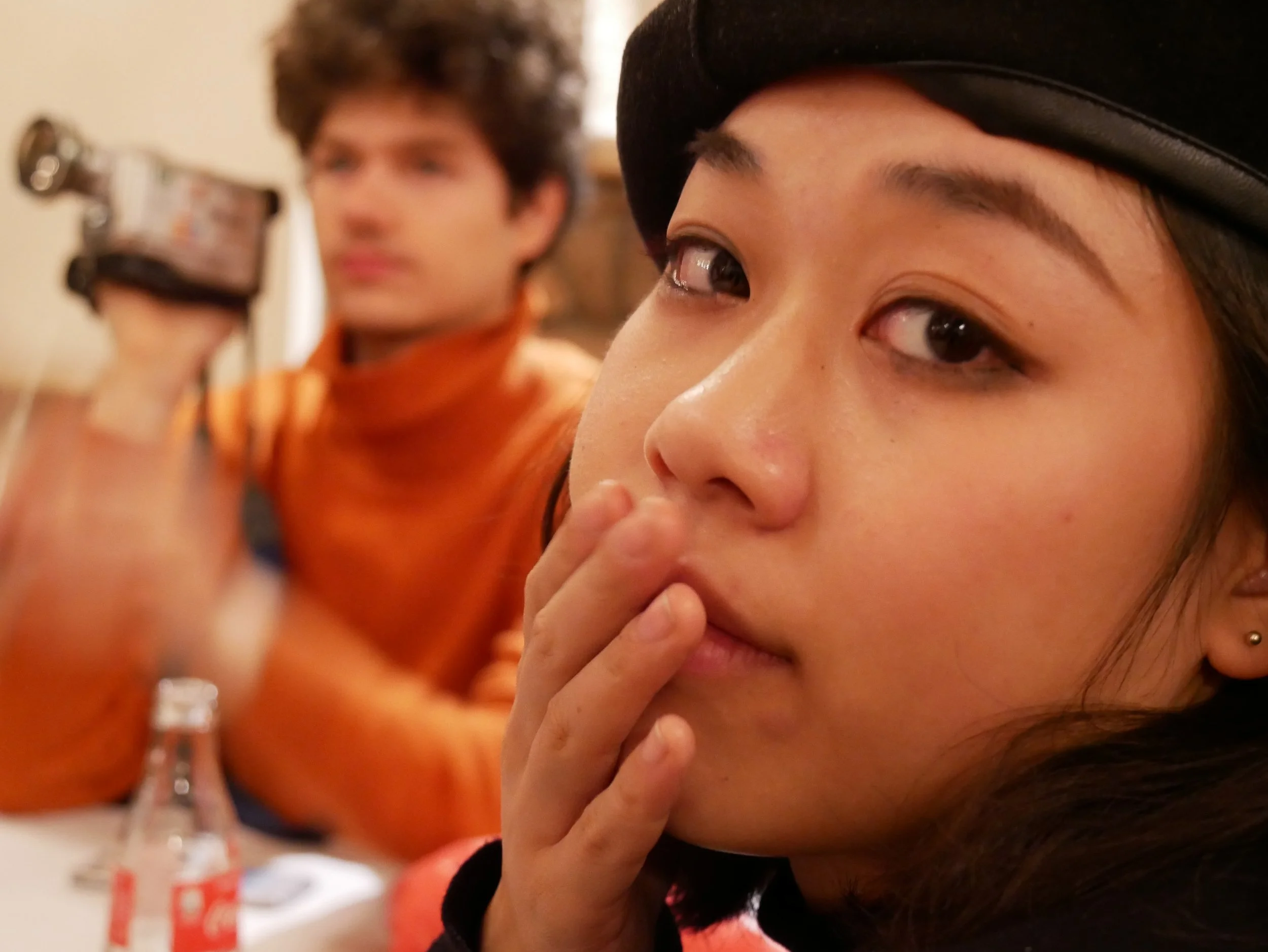
Lova and Thanasis at a table - 2019 - Digital photograph
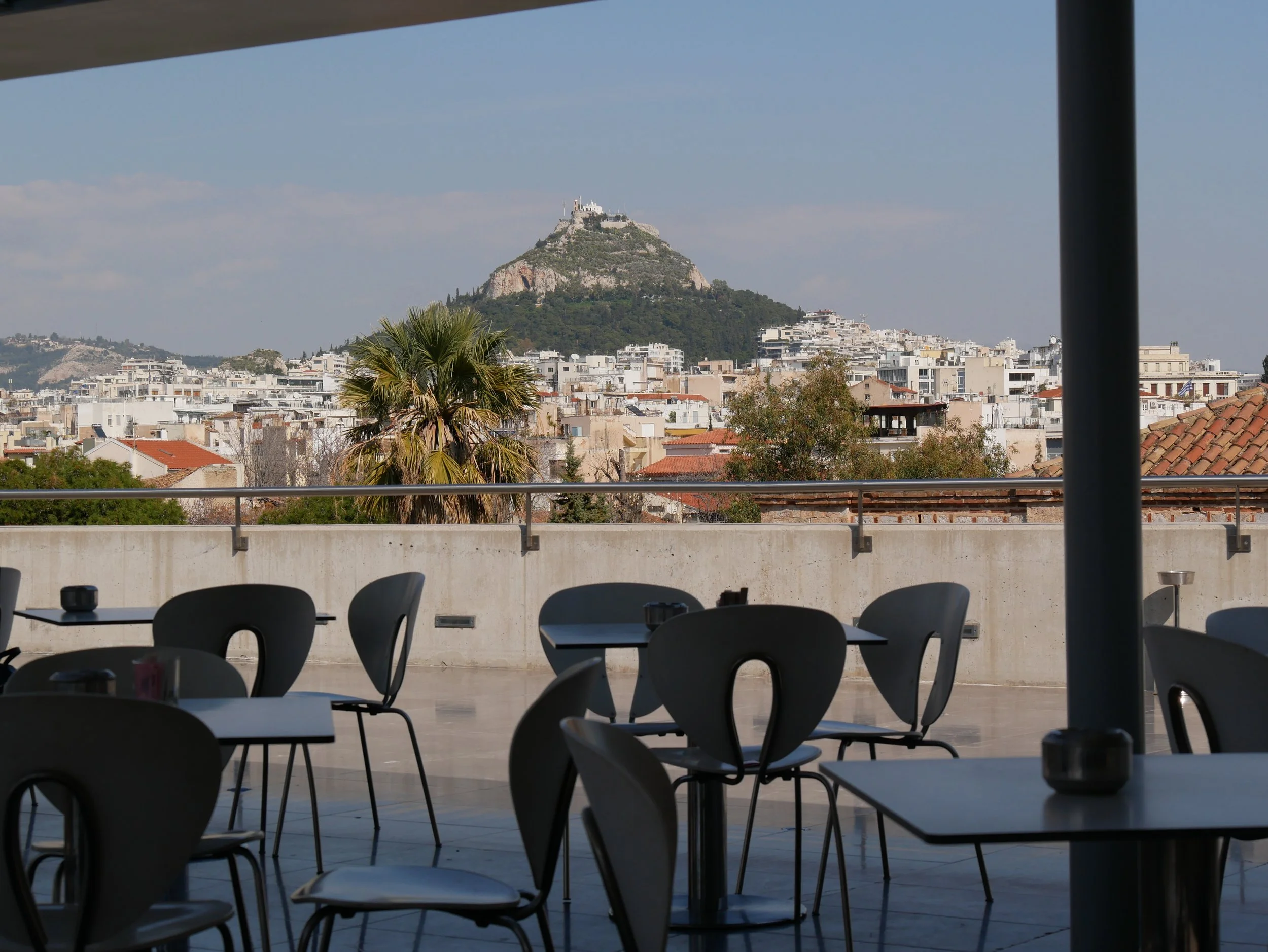
Lycabettus - 2019 - Digital photograph
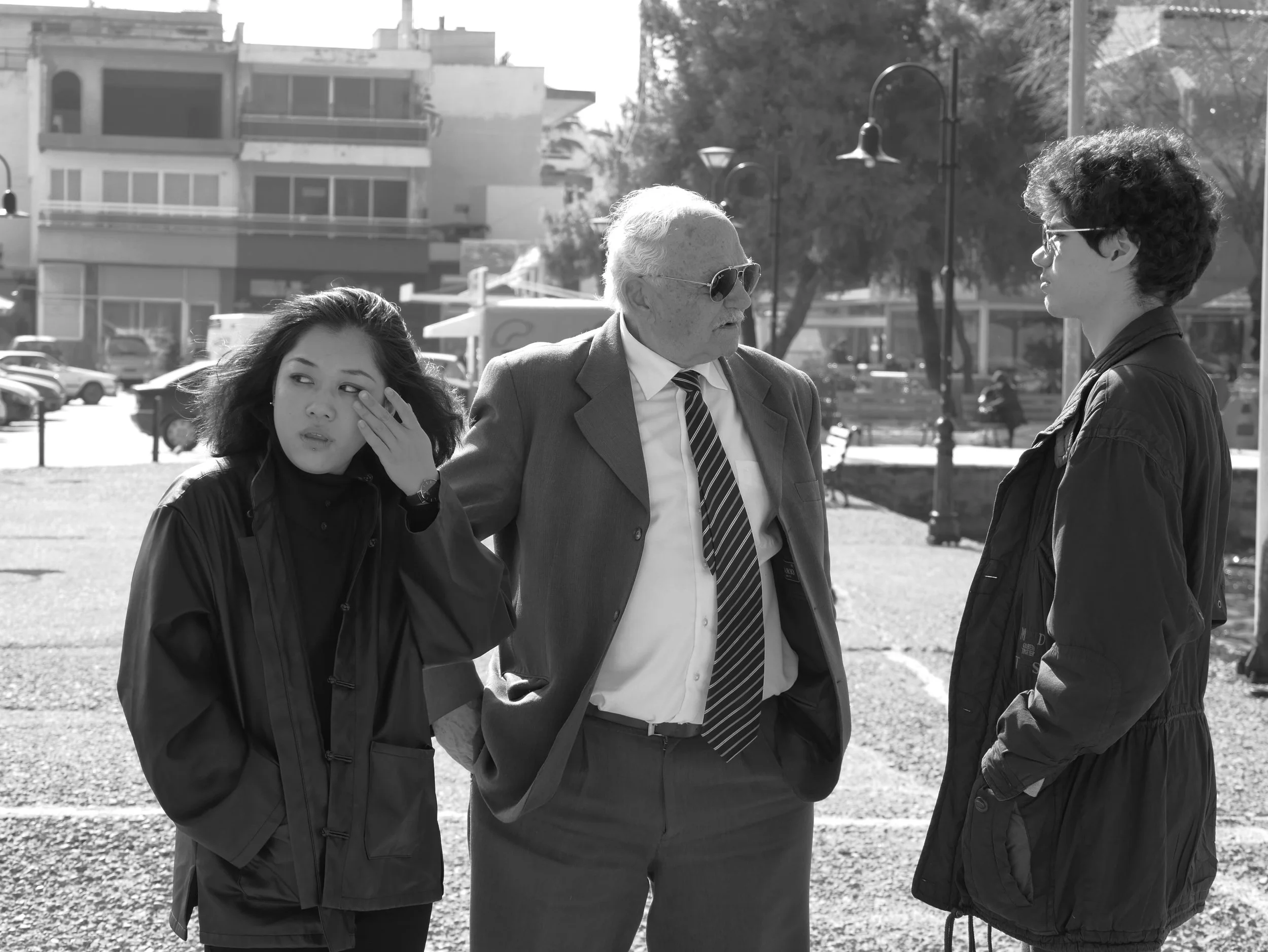
Papous with Lova and Thanasis - 2019 - Digital photograph
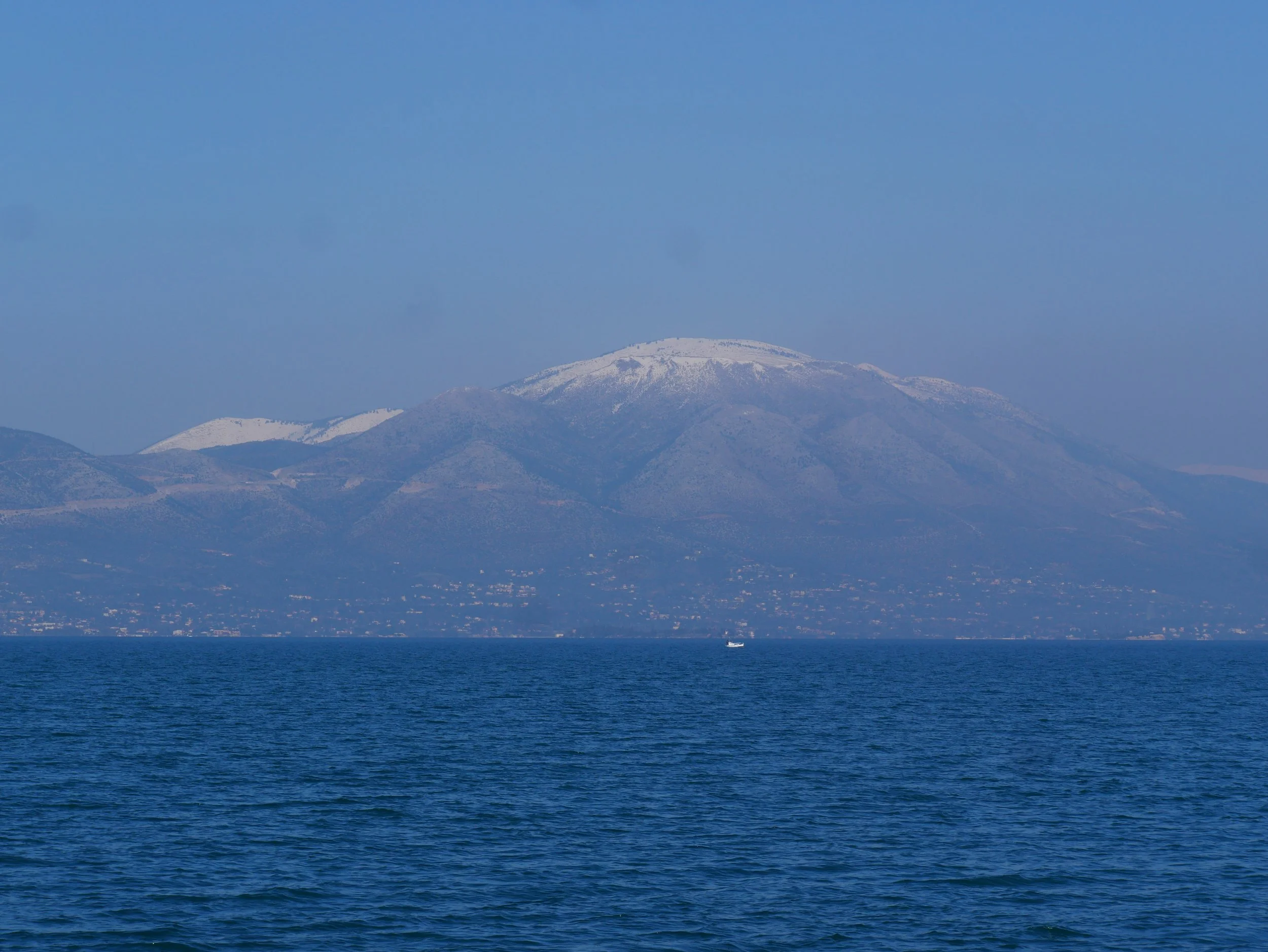
The blue road - 2019 - Digital photograph
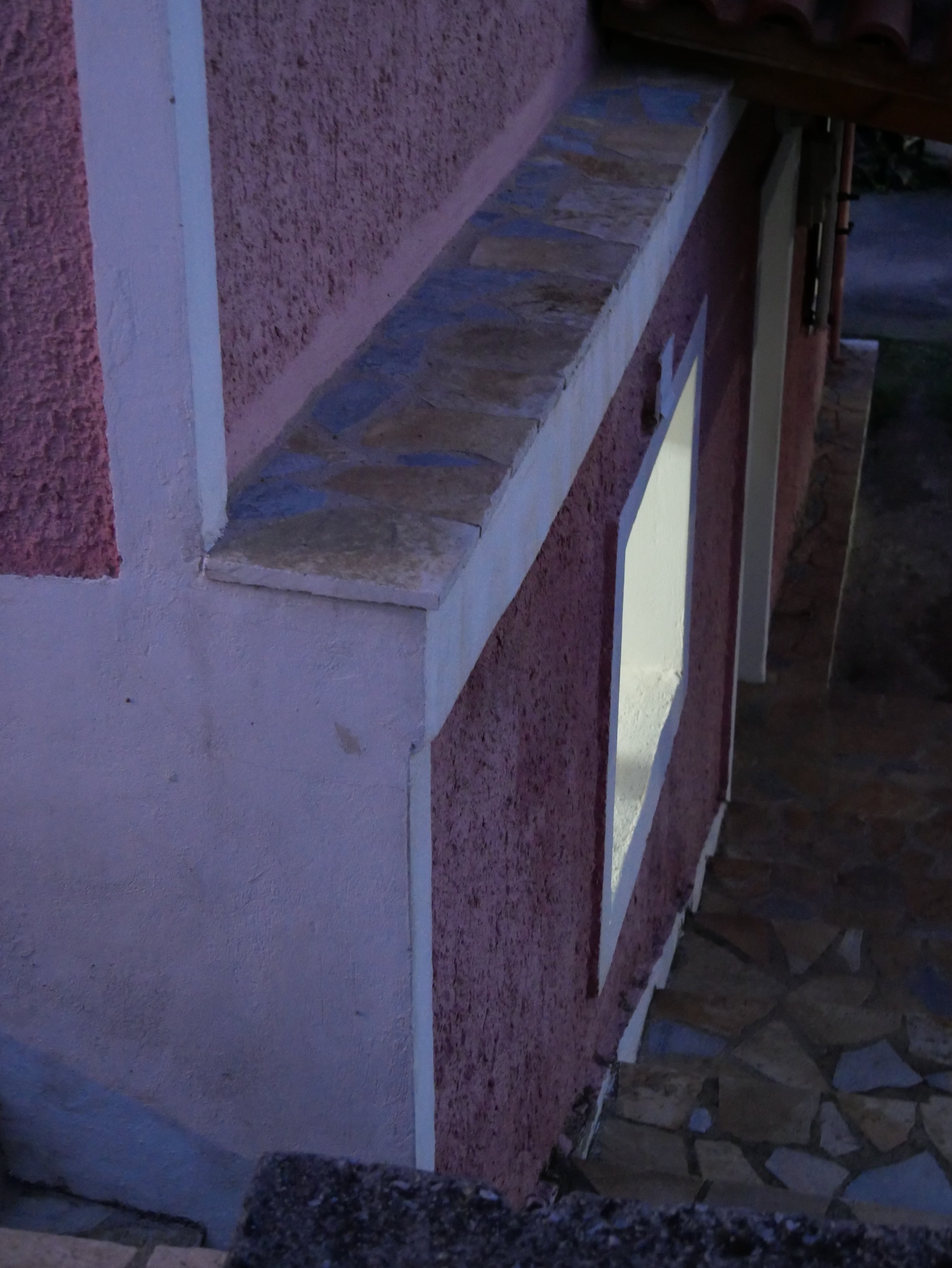
late arrival at the village - 2019 - Digital photograph
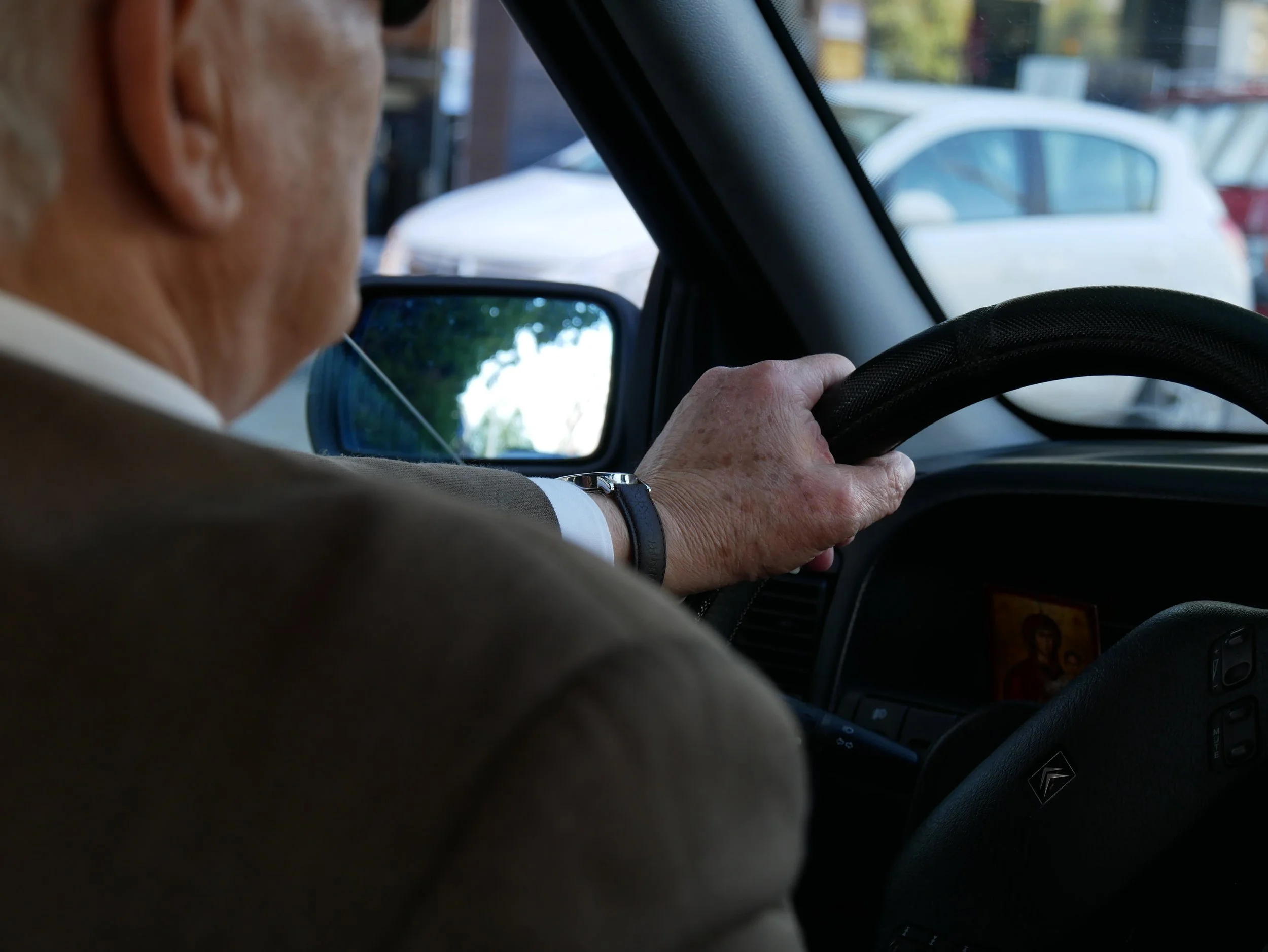
Pappous driving - 2019 - Digital photograph
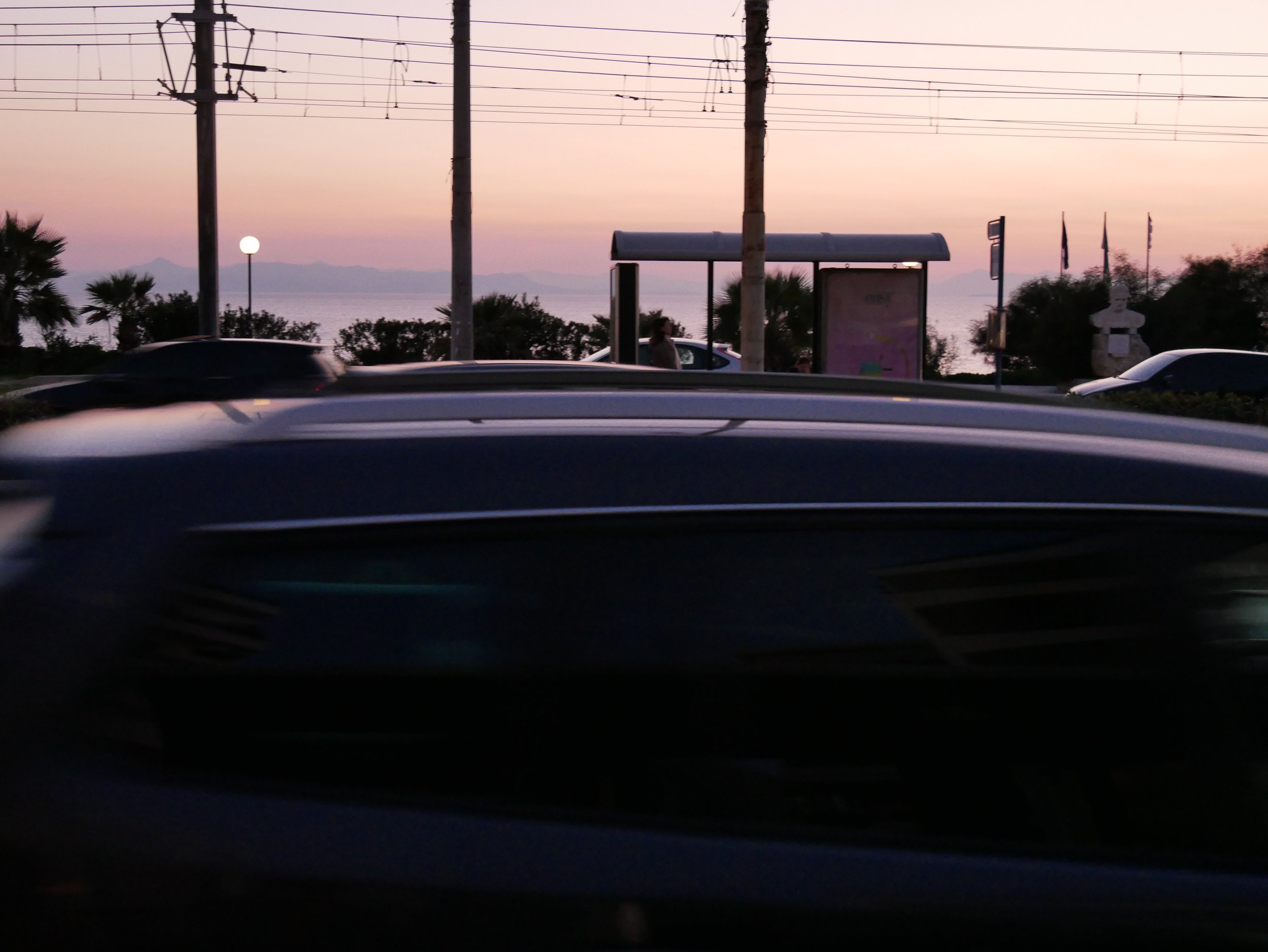
bus stop - 2019 - Digital photograph
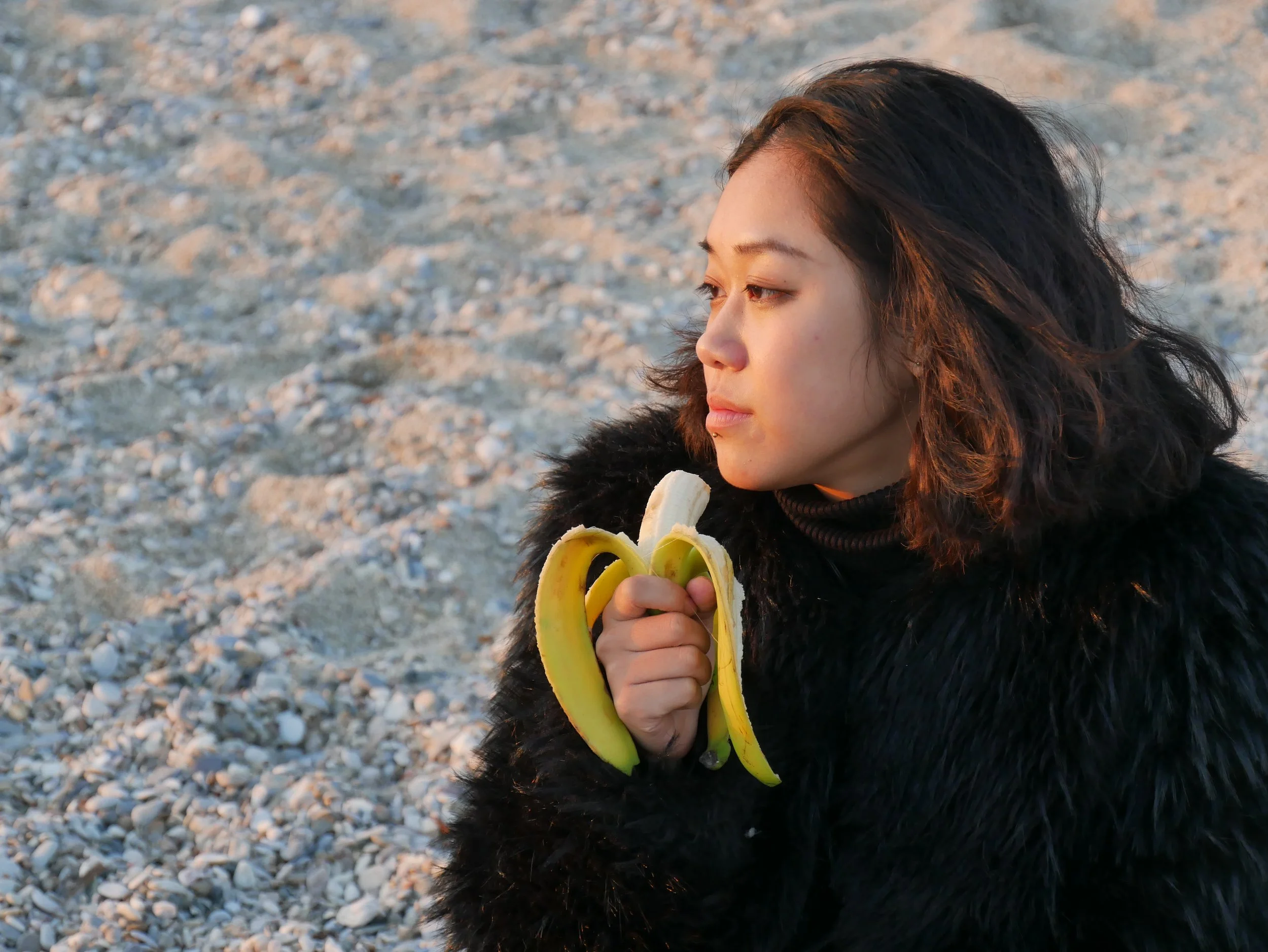
Lova singing - 2019 - Digital photograph
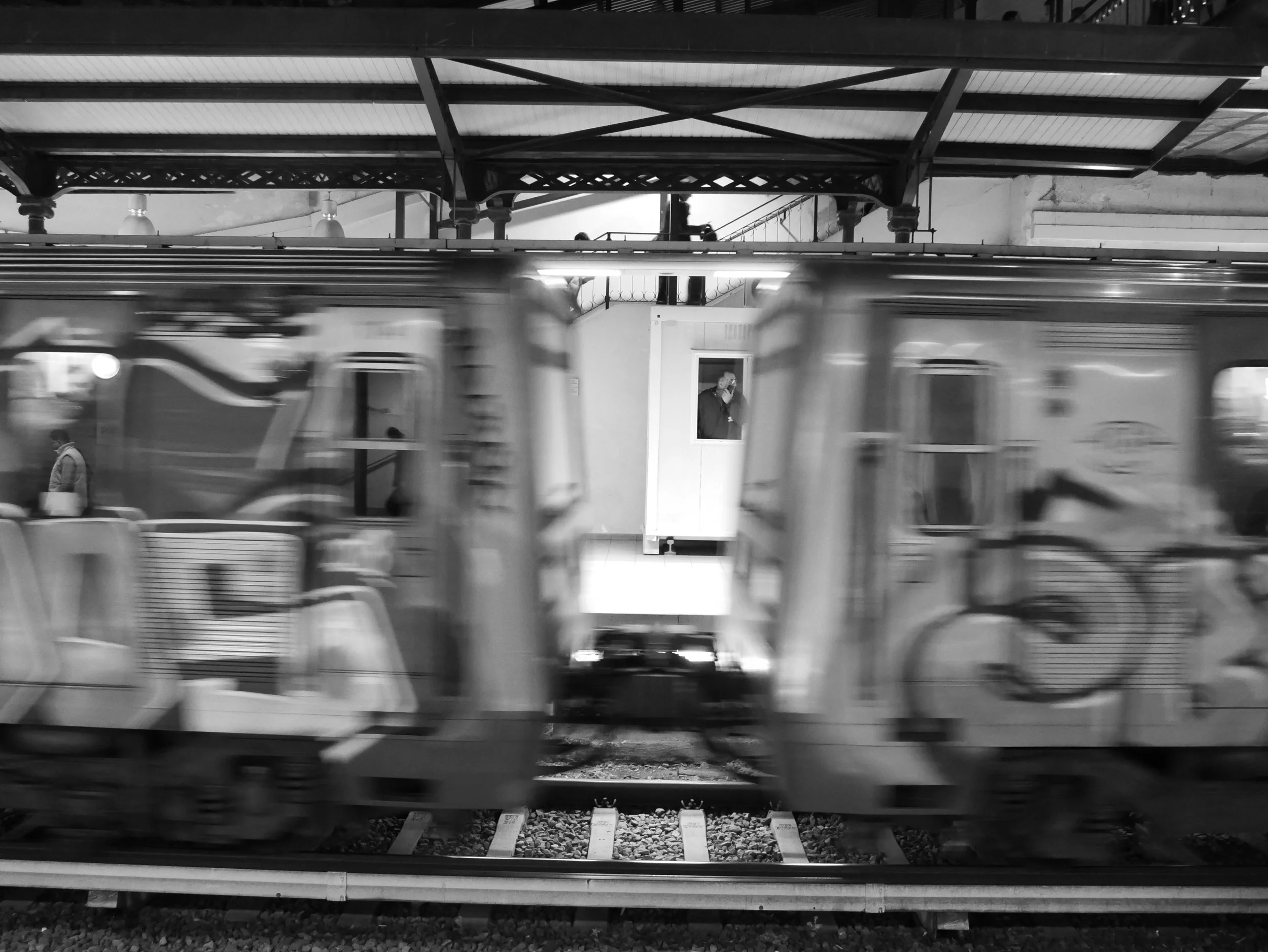
Monastiraki - 2019 - Digital photograph
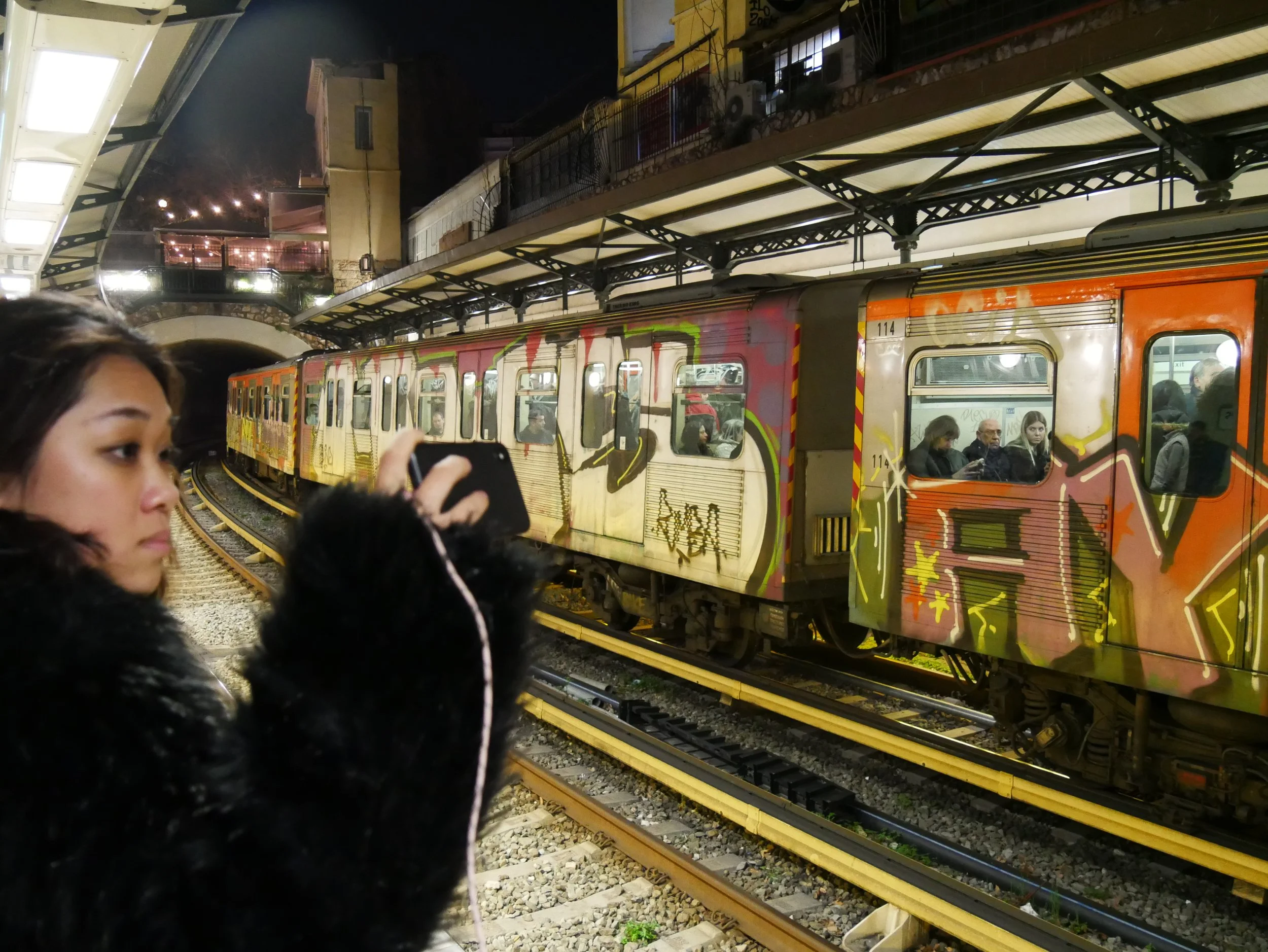
wired - 2019 - Digital photograph
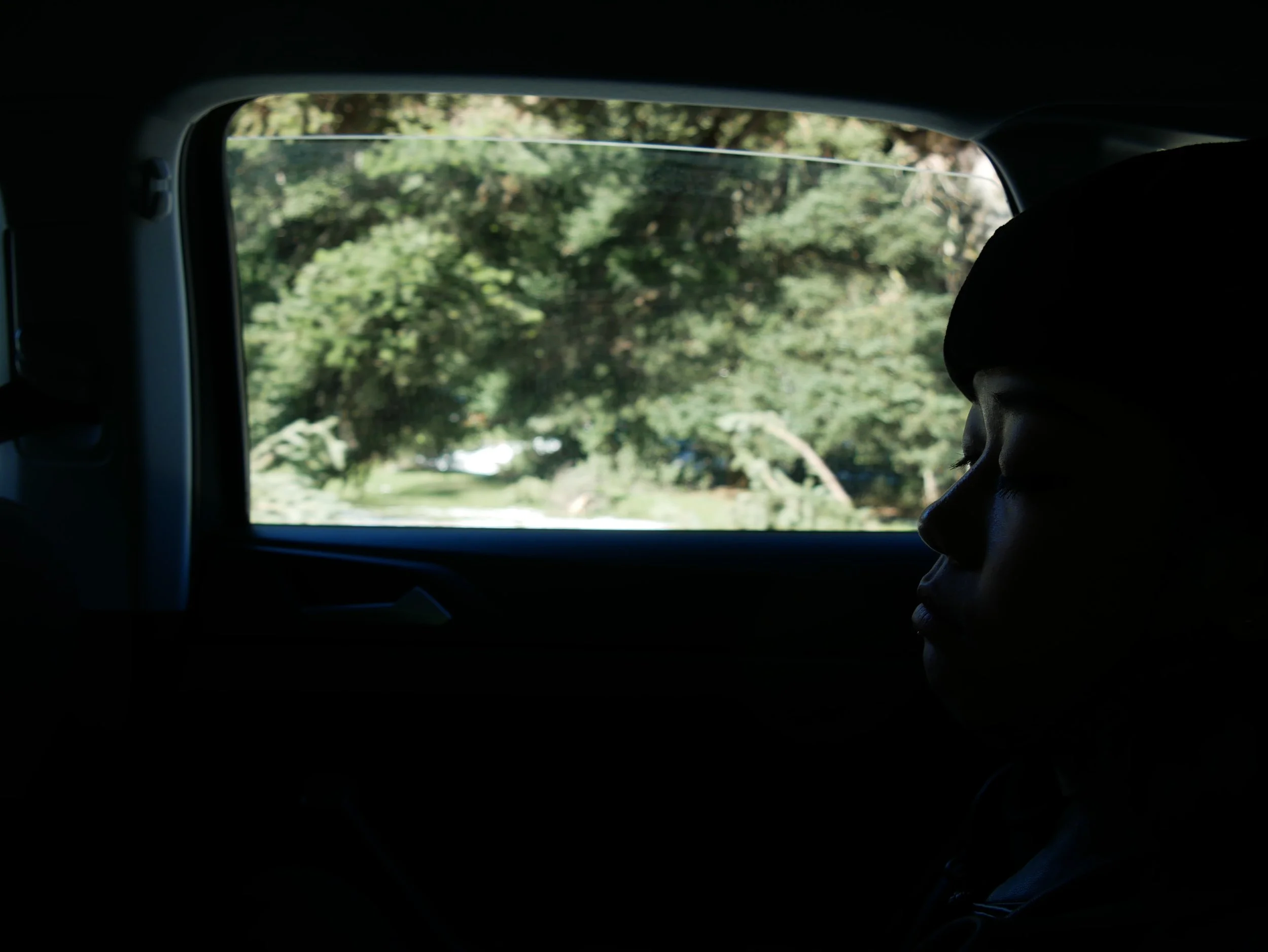
Lova sleeping in the car - 2019 - Digital photograph
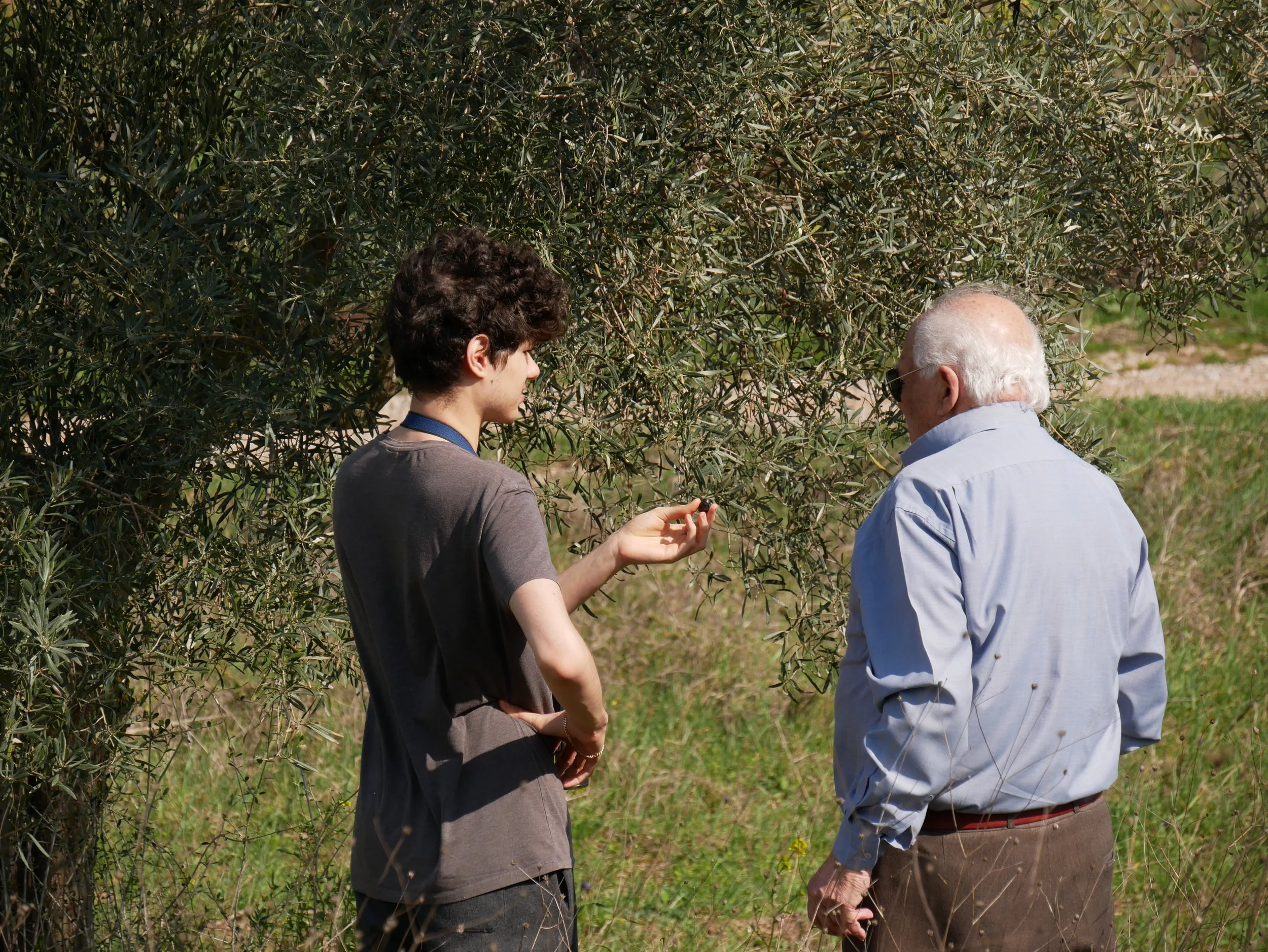
Pappous in his olive trees garden - 2019 - Digital photograph
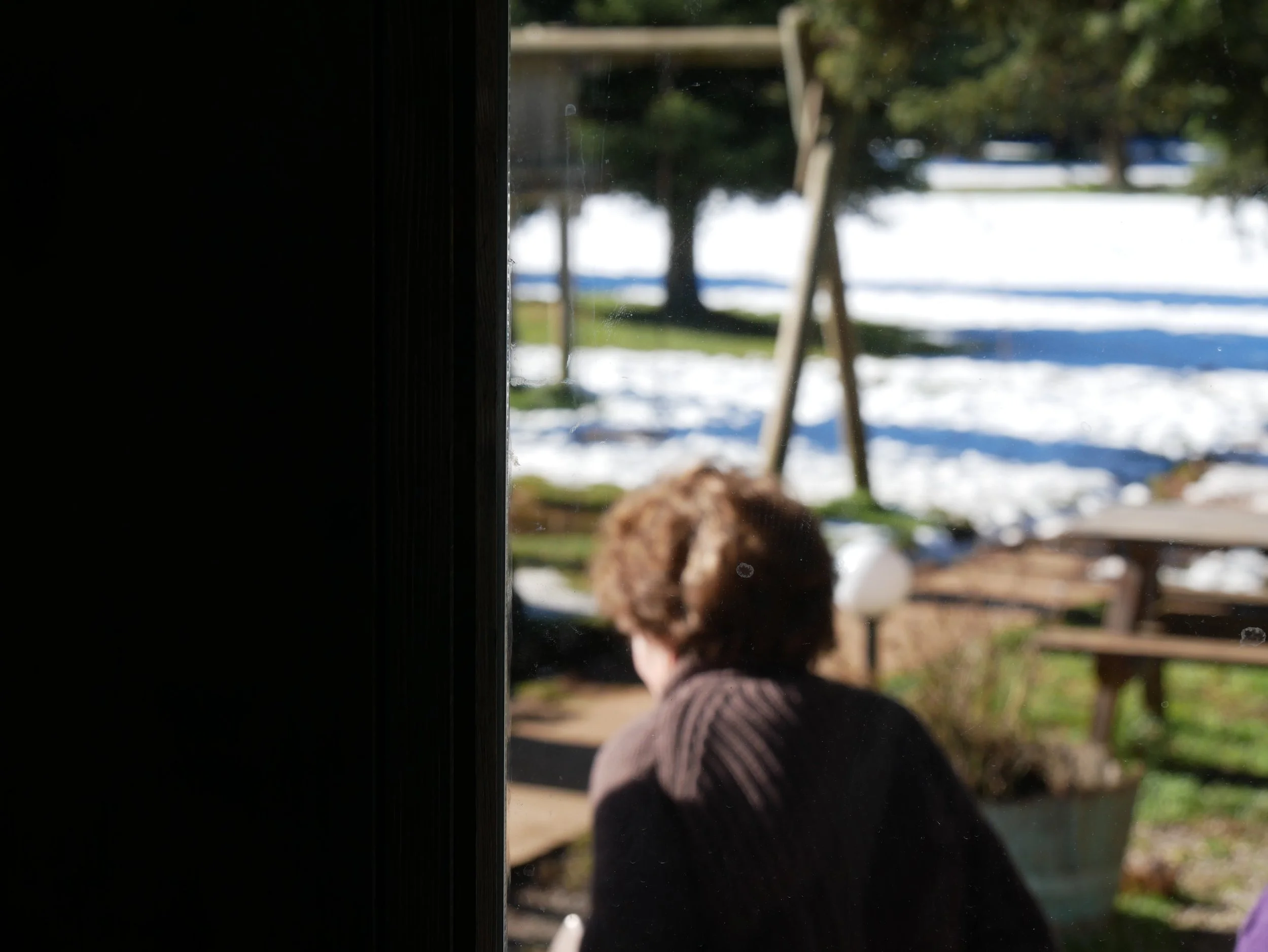
to the winter - 2019 - Digital photograph
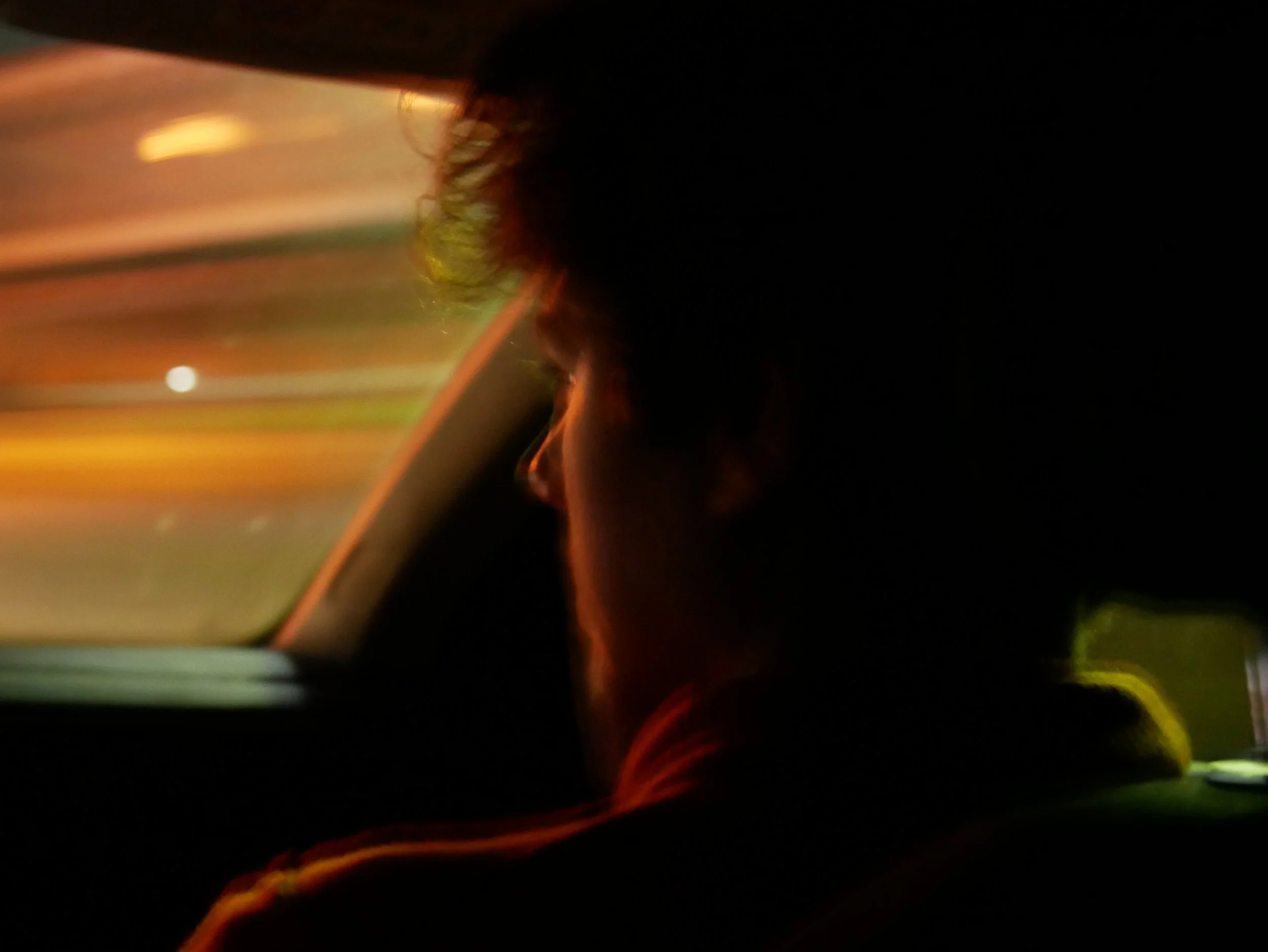
on our way to the mountain - 2019 - Digital photograph
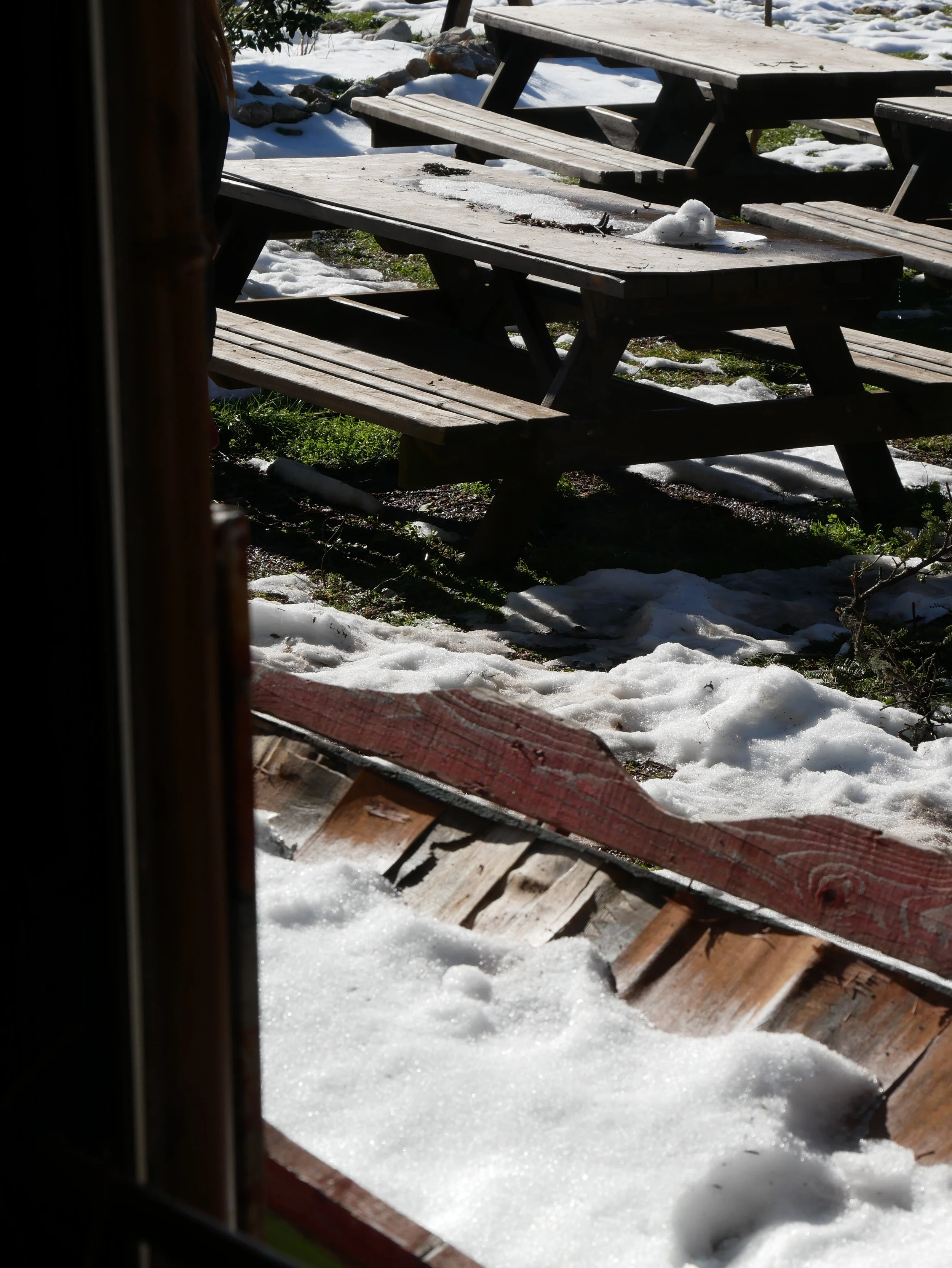
slit view from the restaurant - 2019 - Digital photograph
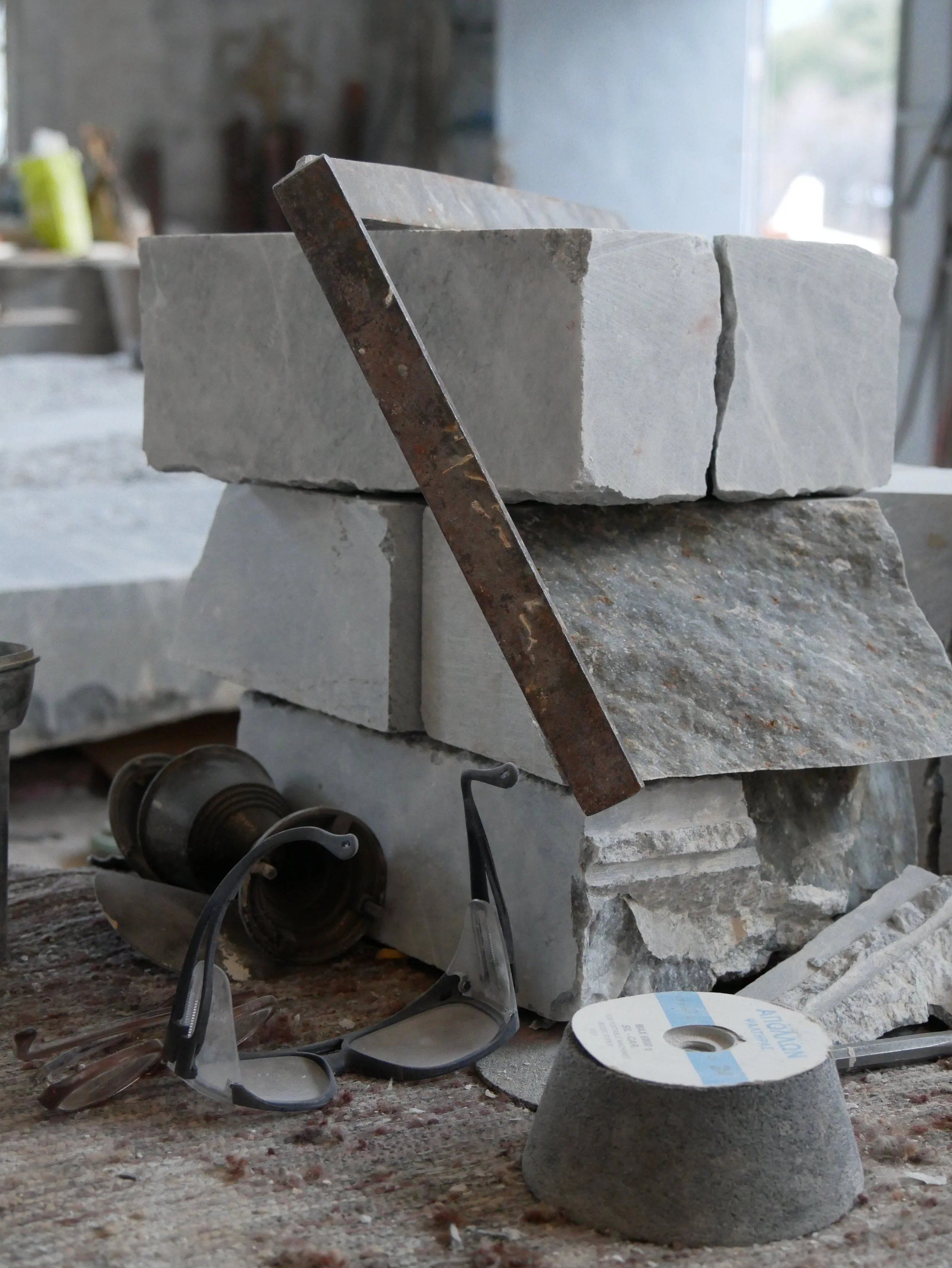
leftovers in the stone workshop - 2019 - Digital photograph
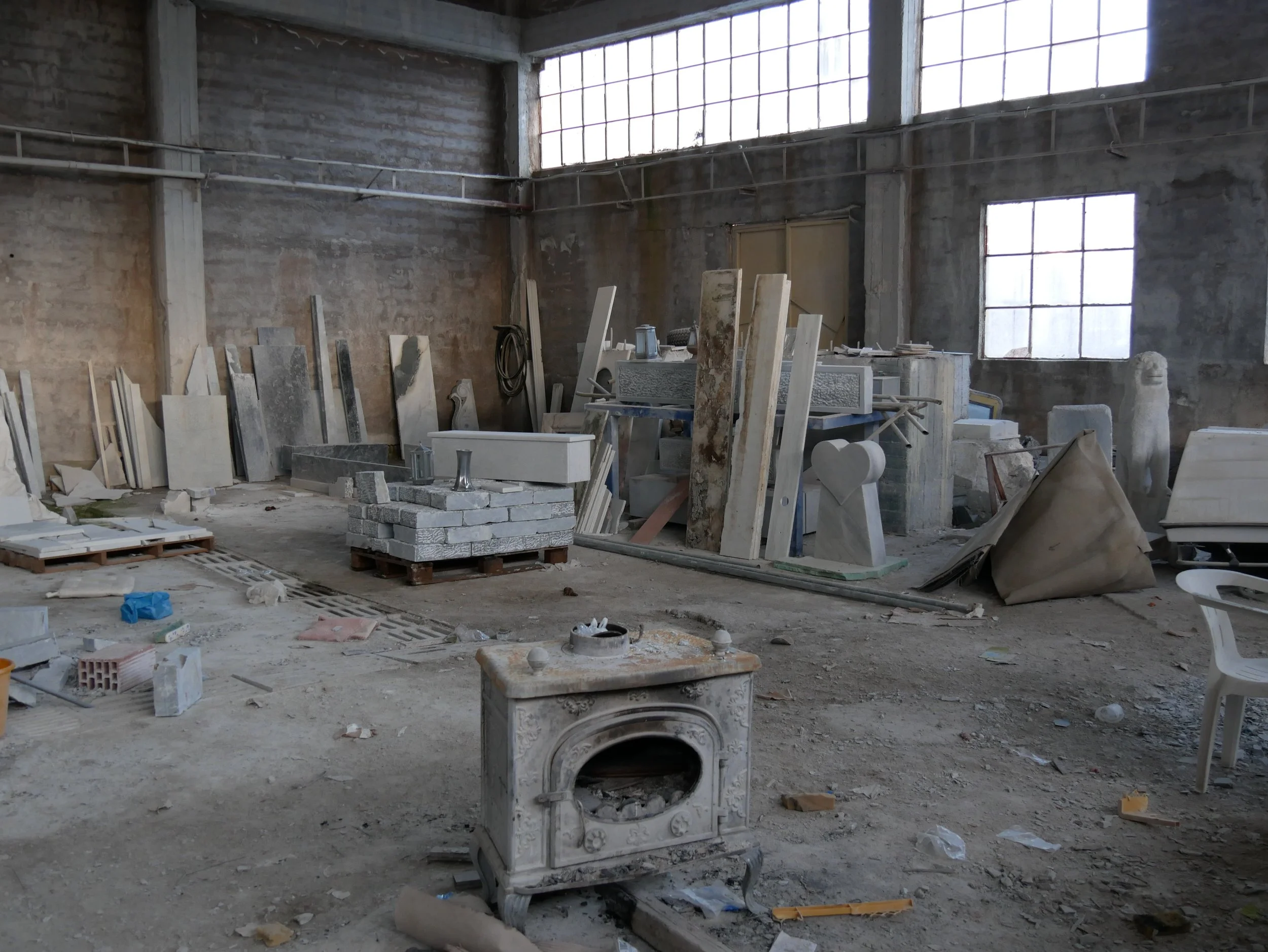
cast-iron stove - 2019 - Digital photograph
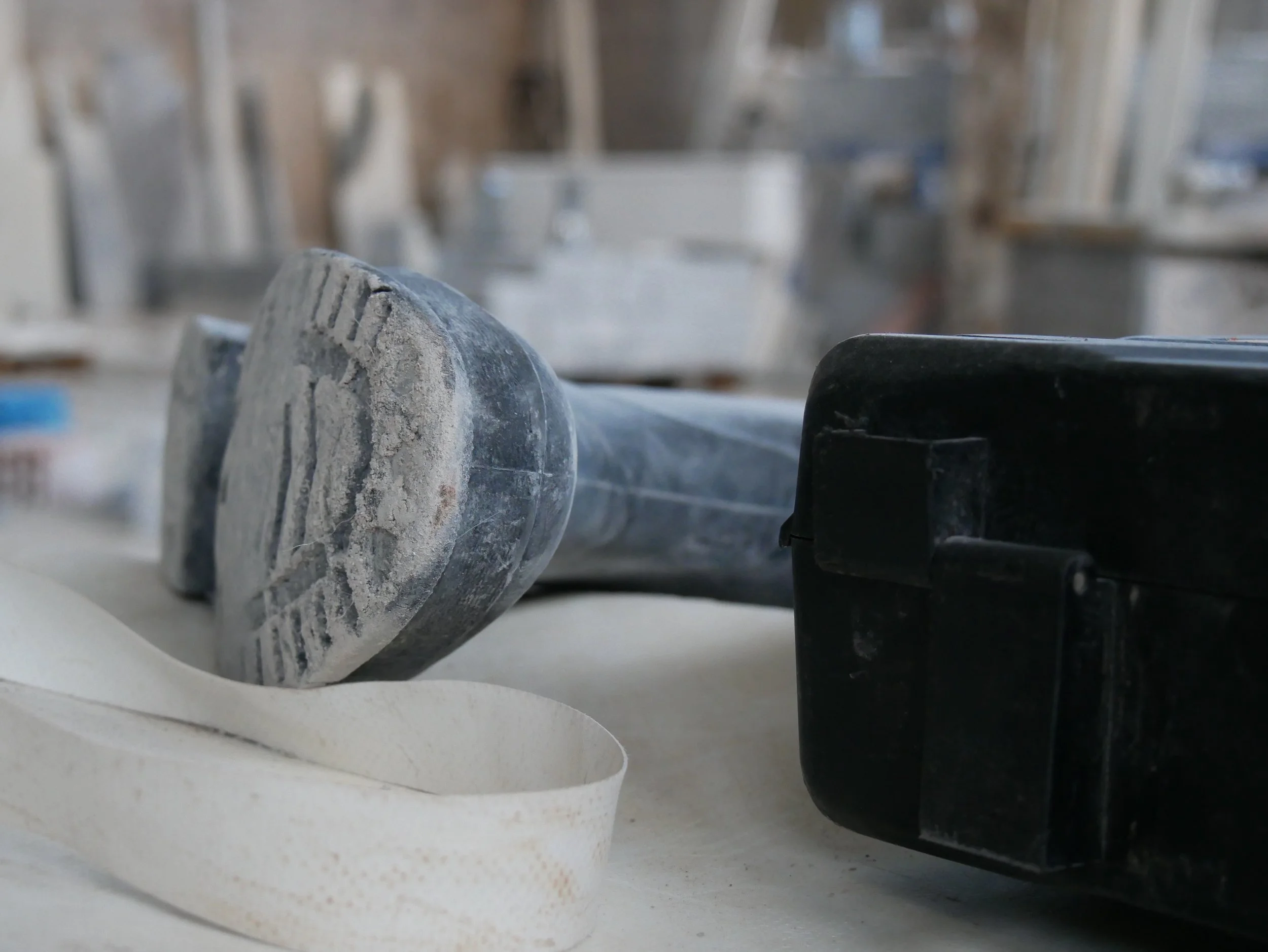
boot in the workshop - 2019 - Digital photograph
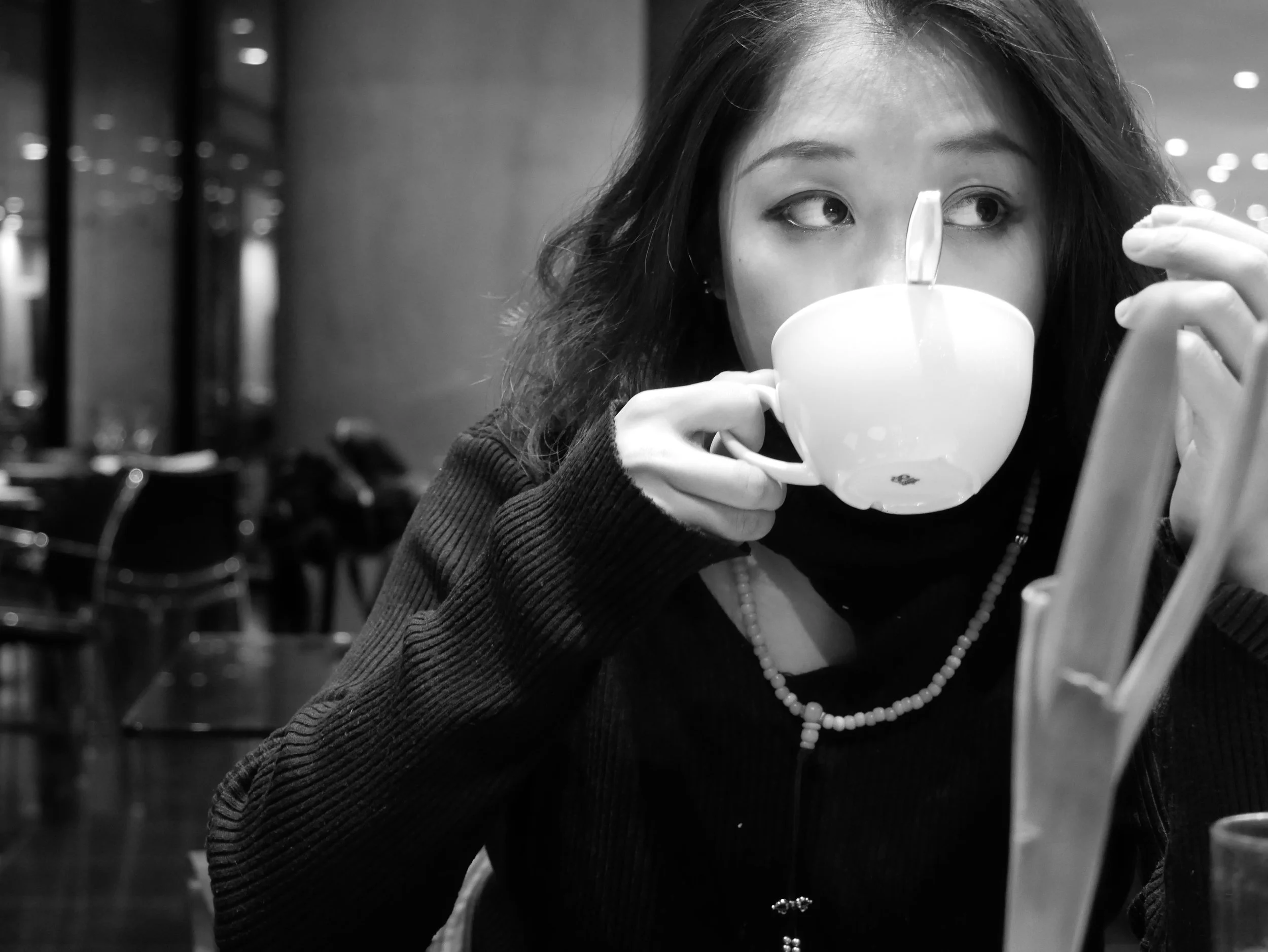
black and white coffee - 2019 - Digital photograph
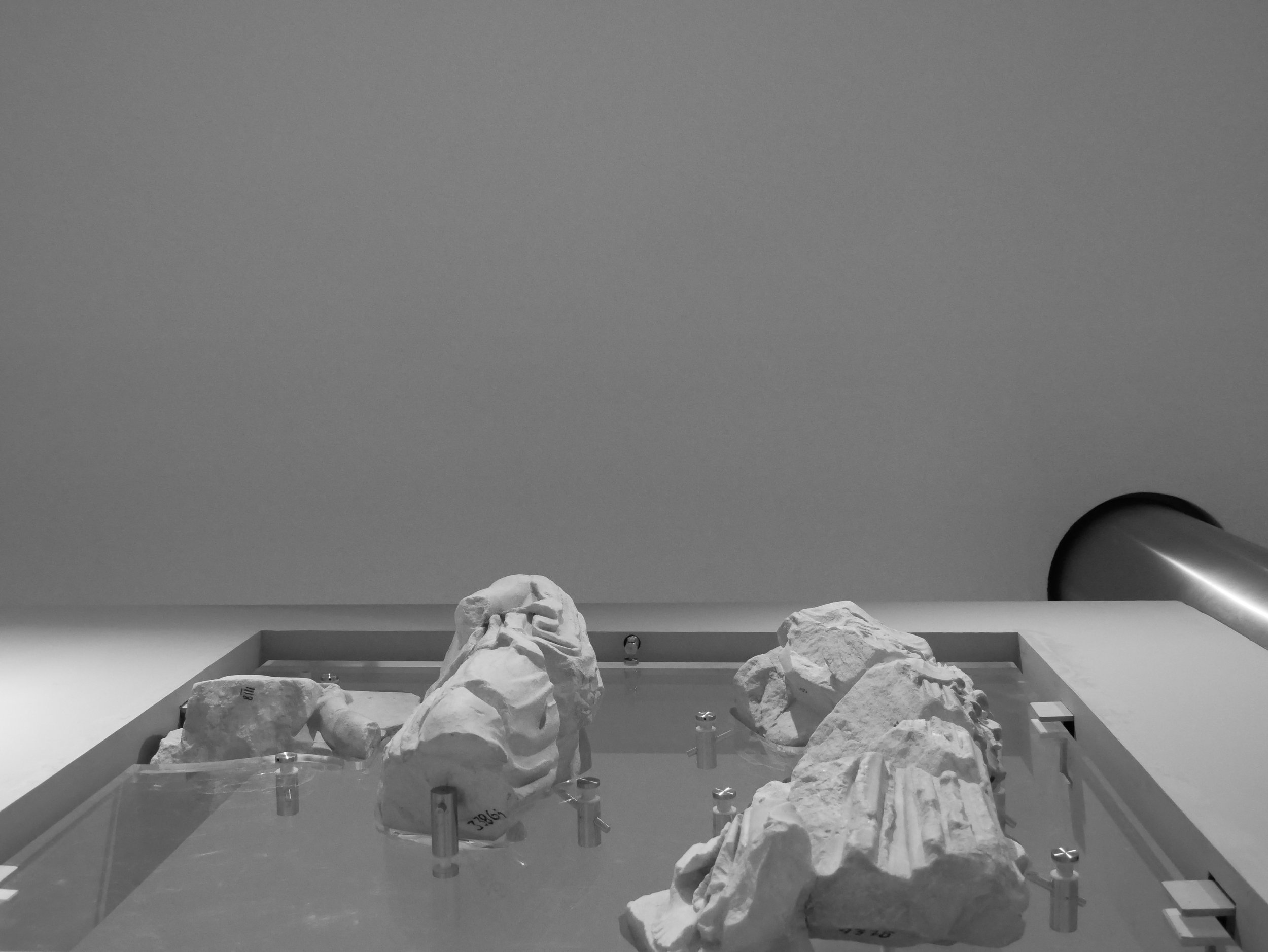
Acropolis - 2019 - Digital photograph
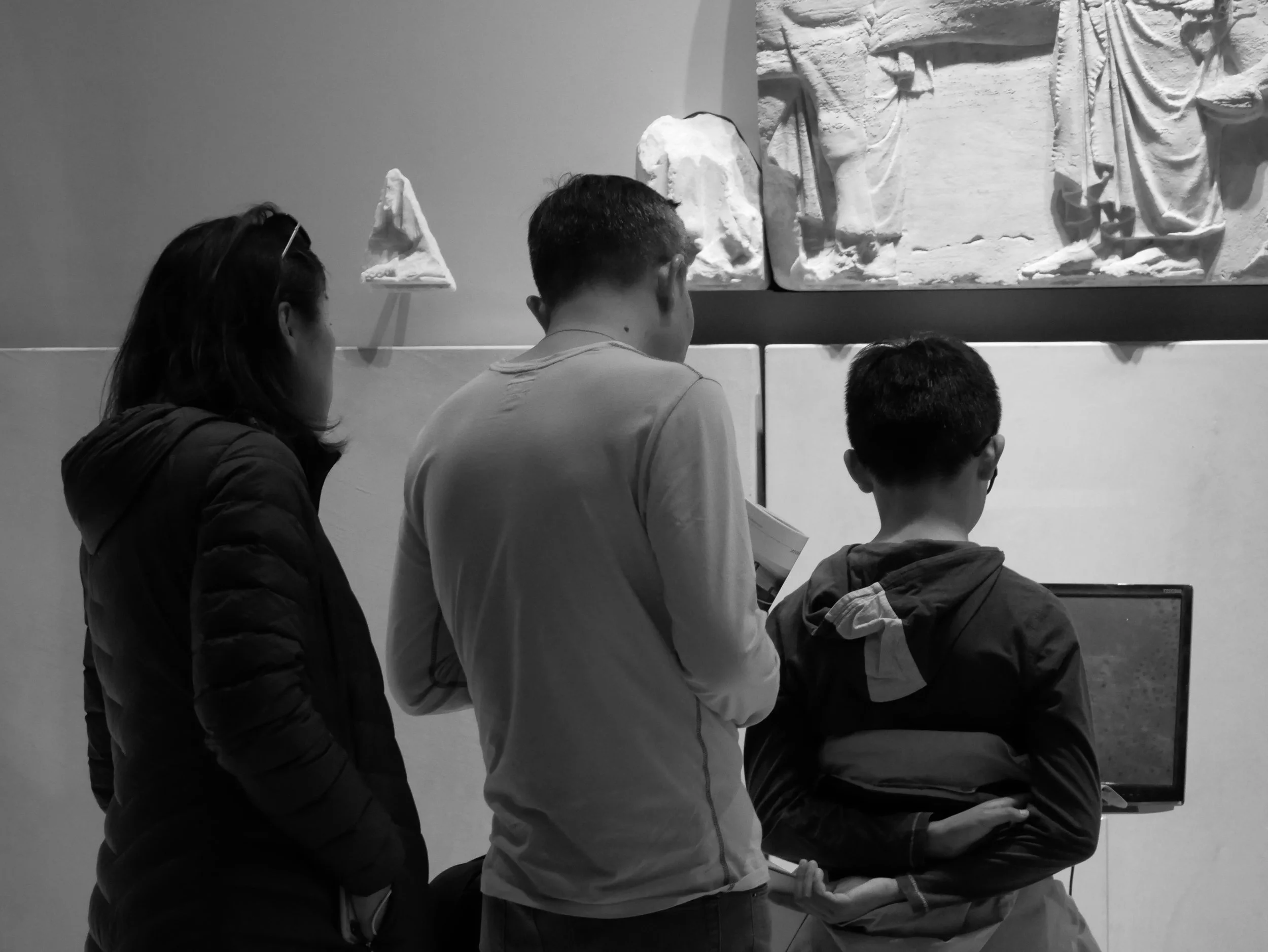
family at the museum - 2019 - Digital photograph
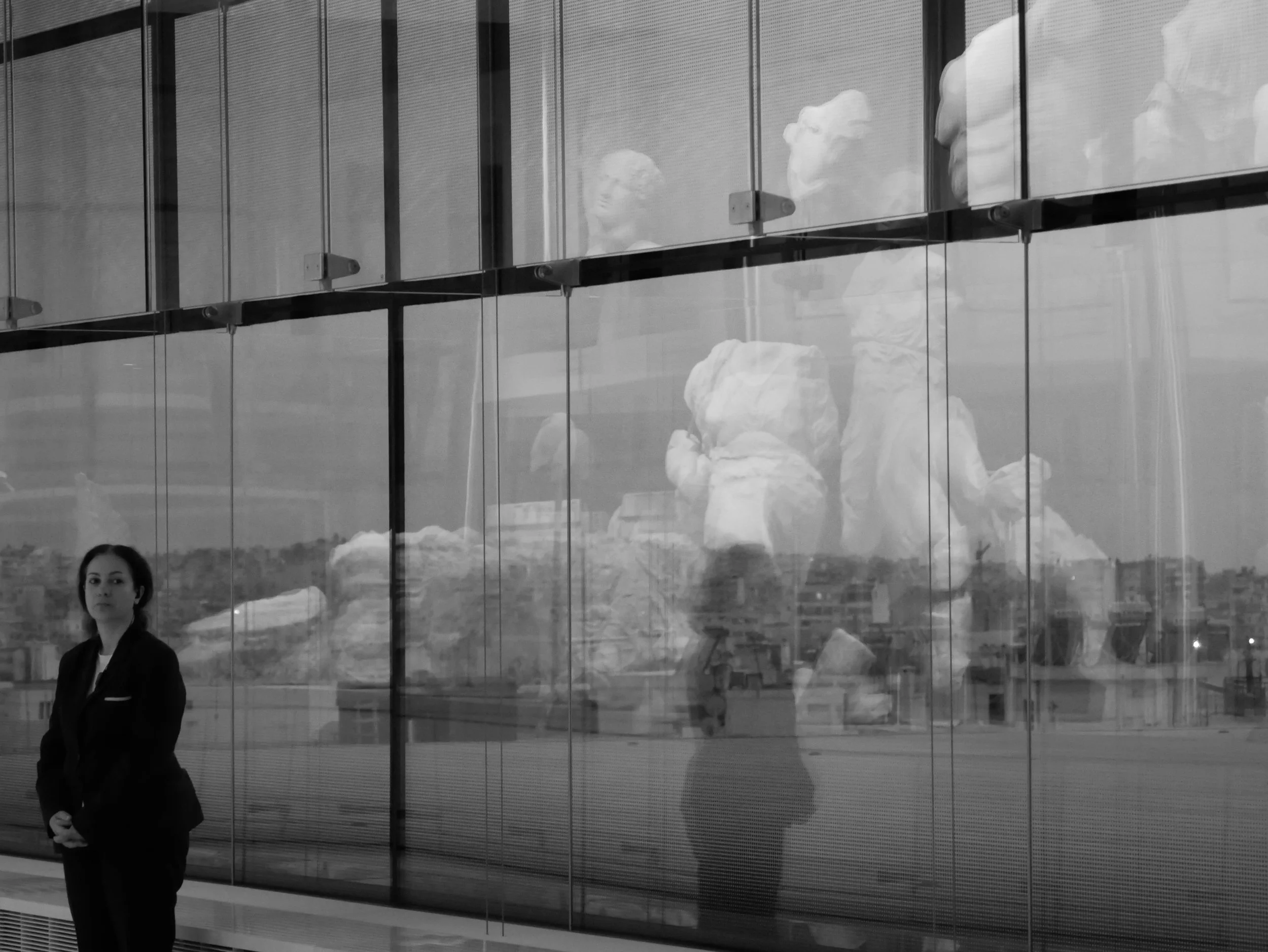
museum attendant - 2019 - Digital photograph
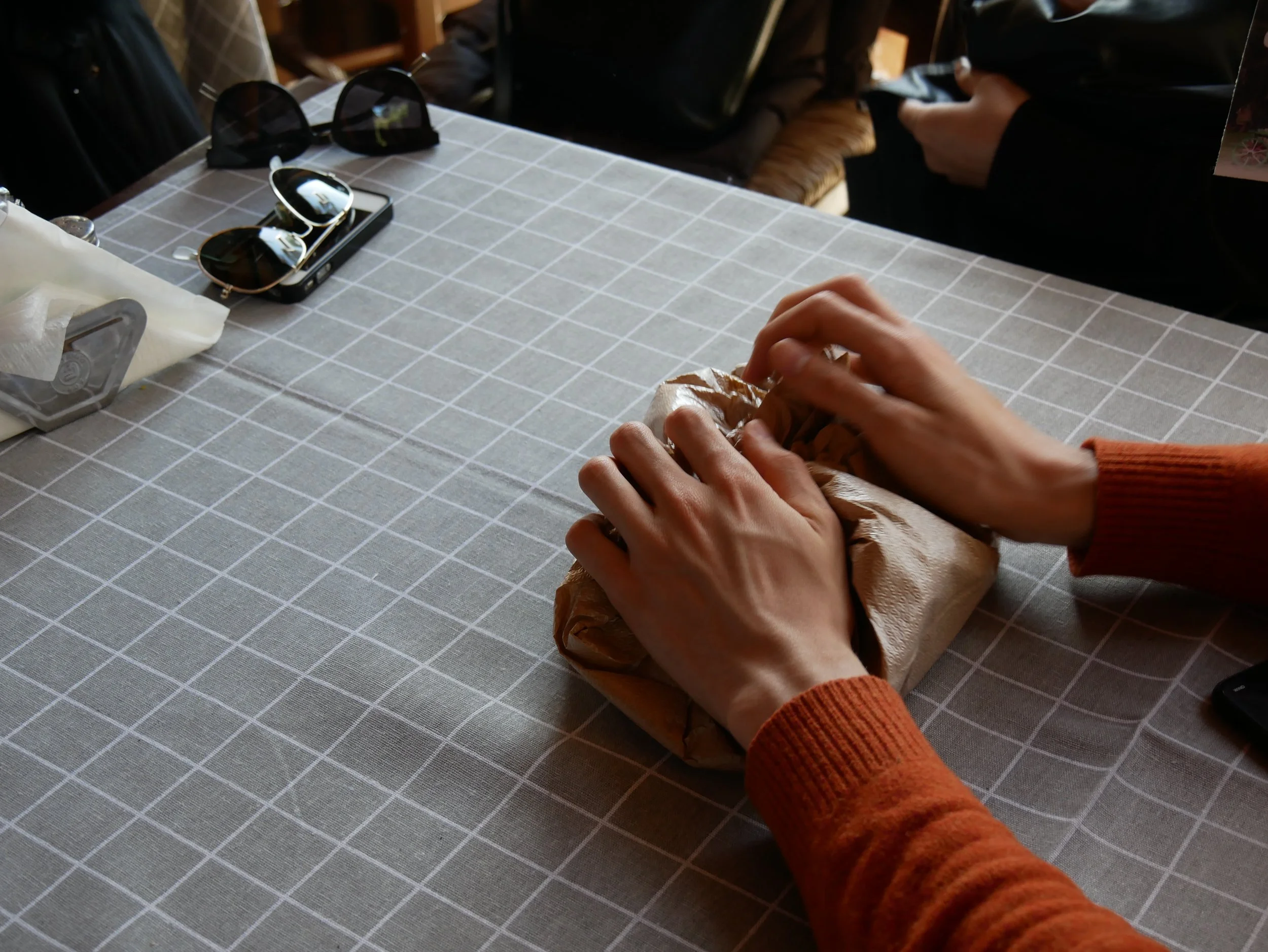
Doggy bag - 2019 - Digital photograph
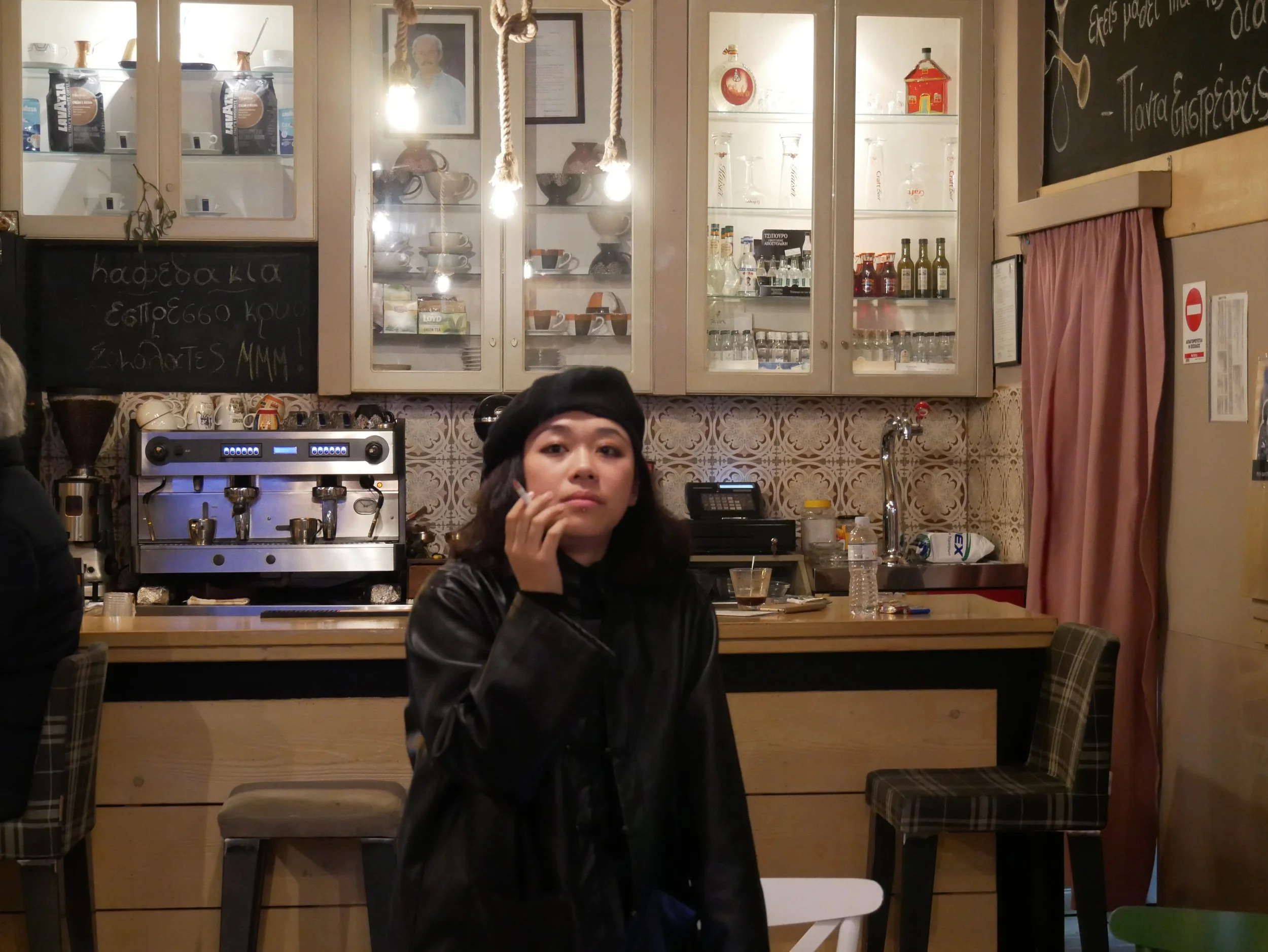
back then we could smoke inside - 2019 - Digital photograph
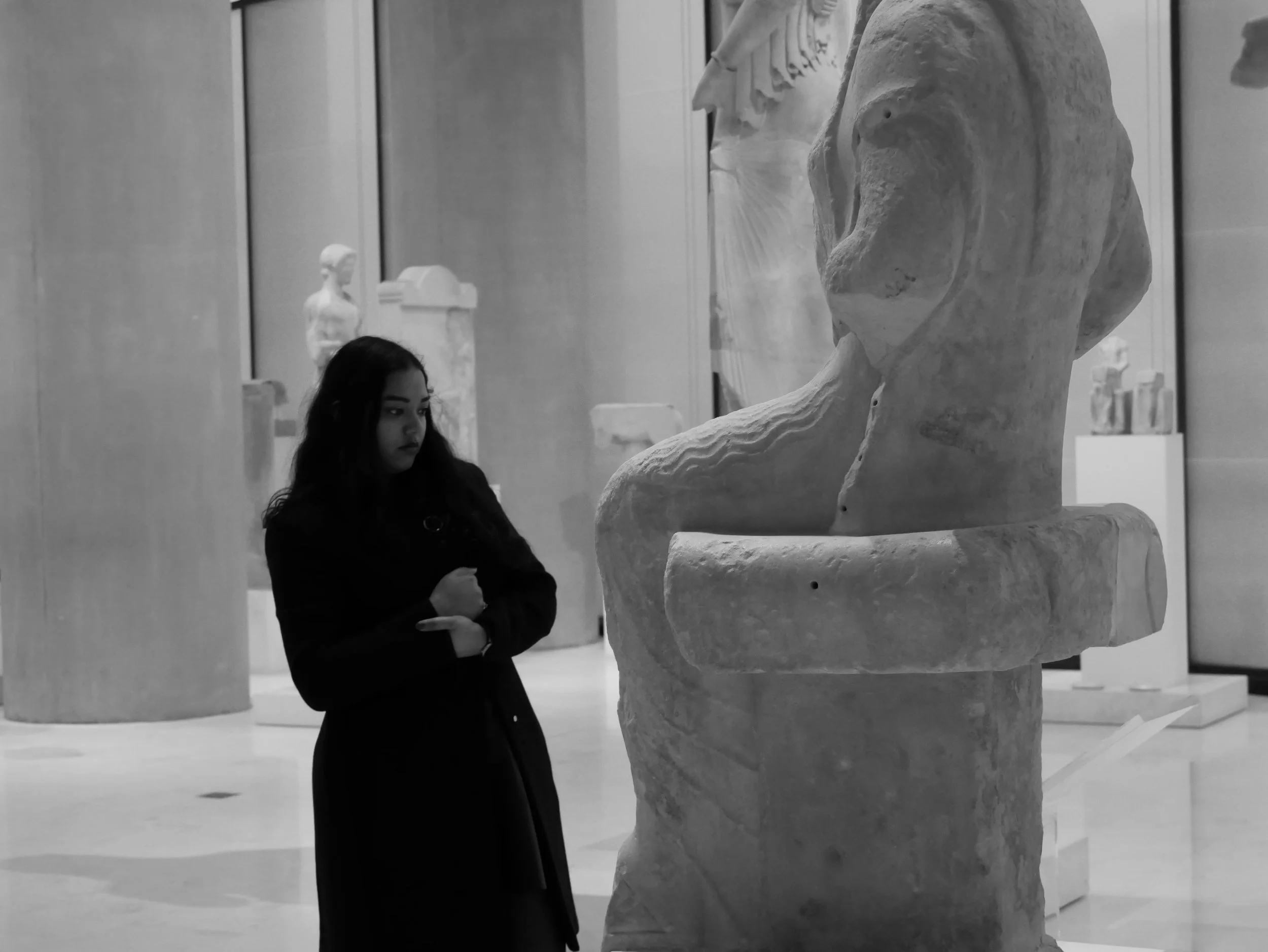
young woman at the museum - 2019 - Digital photograph
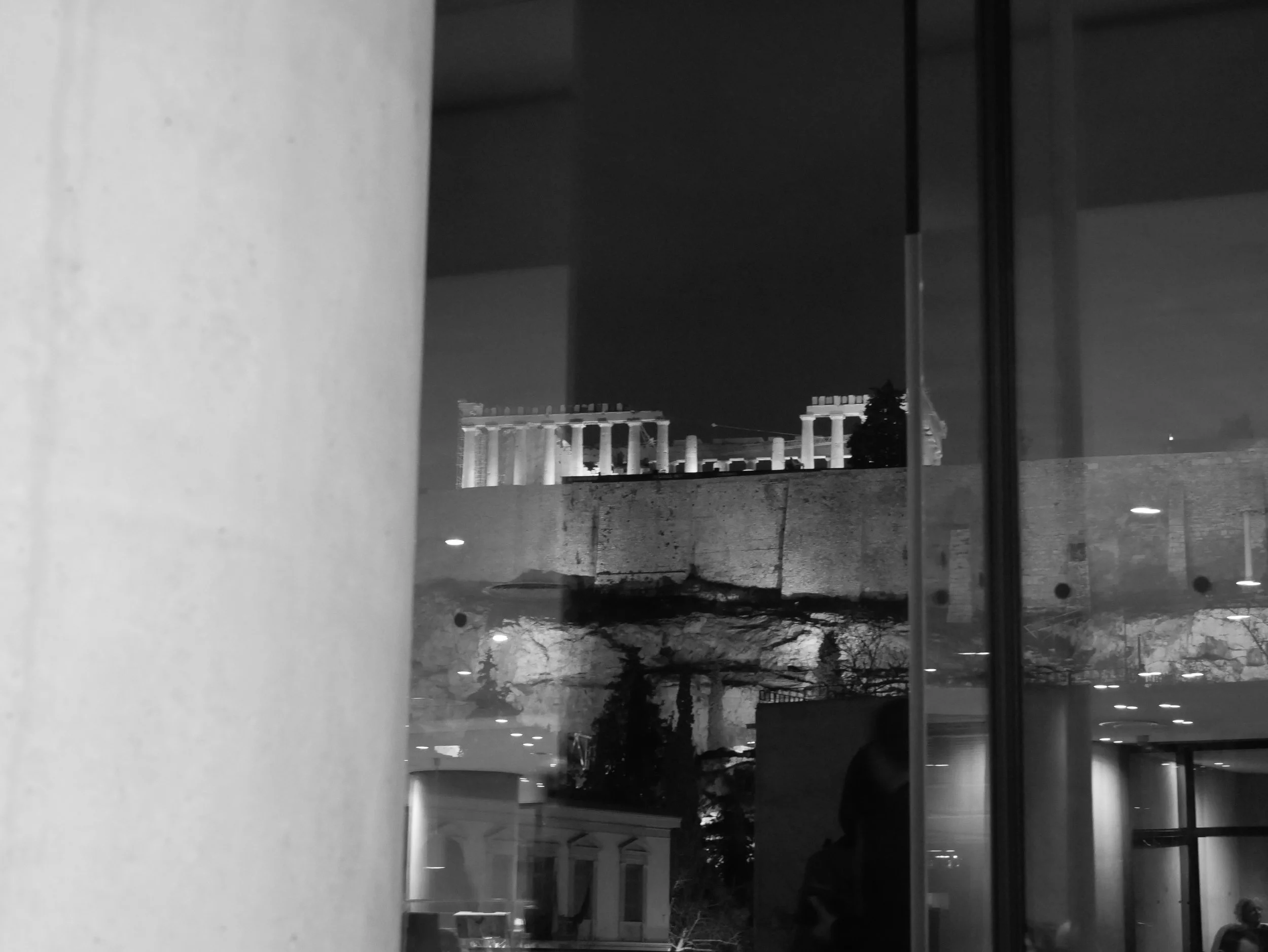
outside - 2019 - Digital photograph
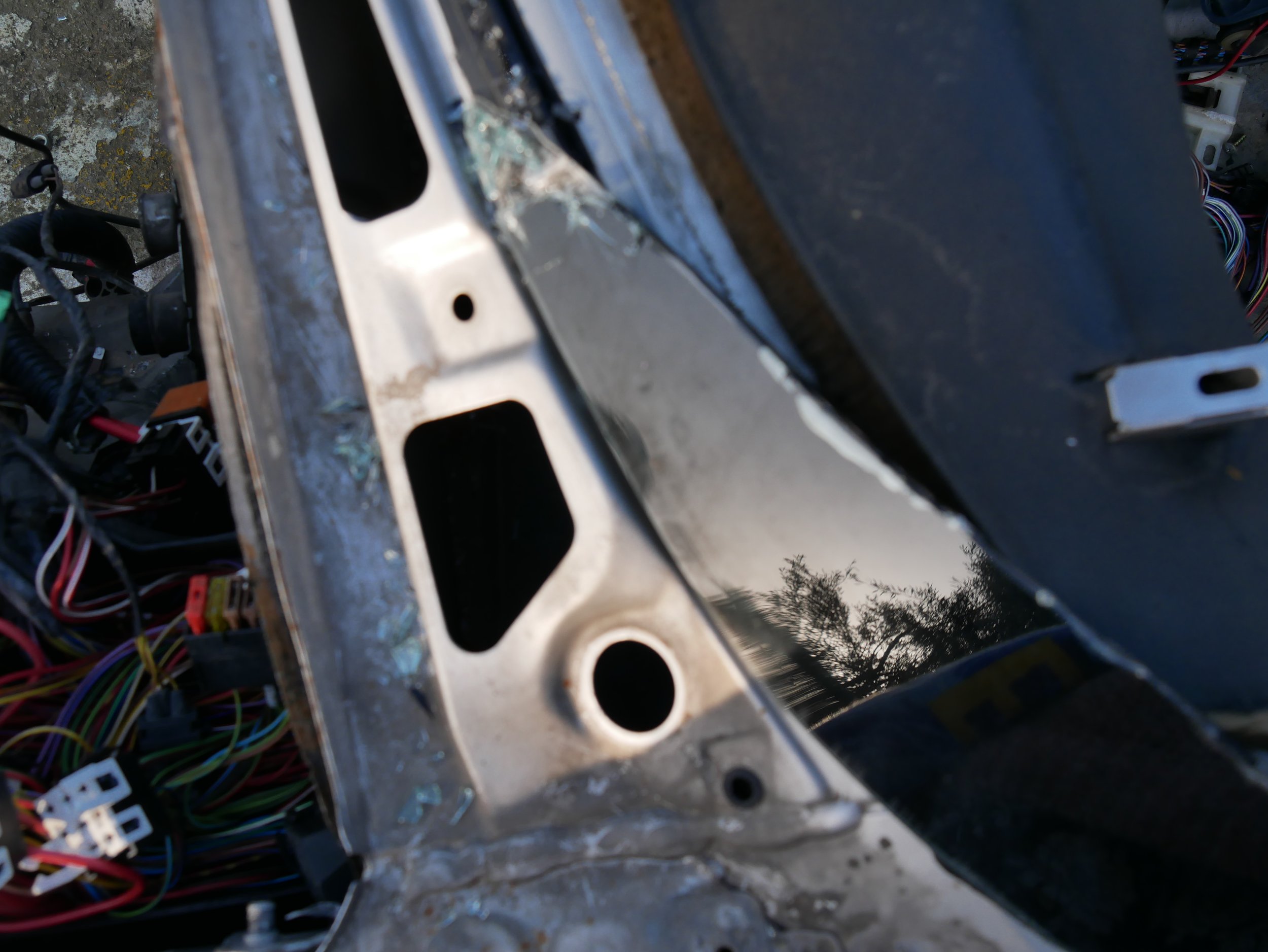
landscape splinter - 2019 - Digital photograph
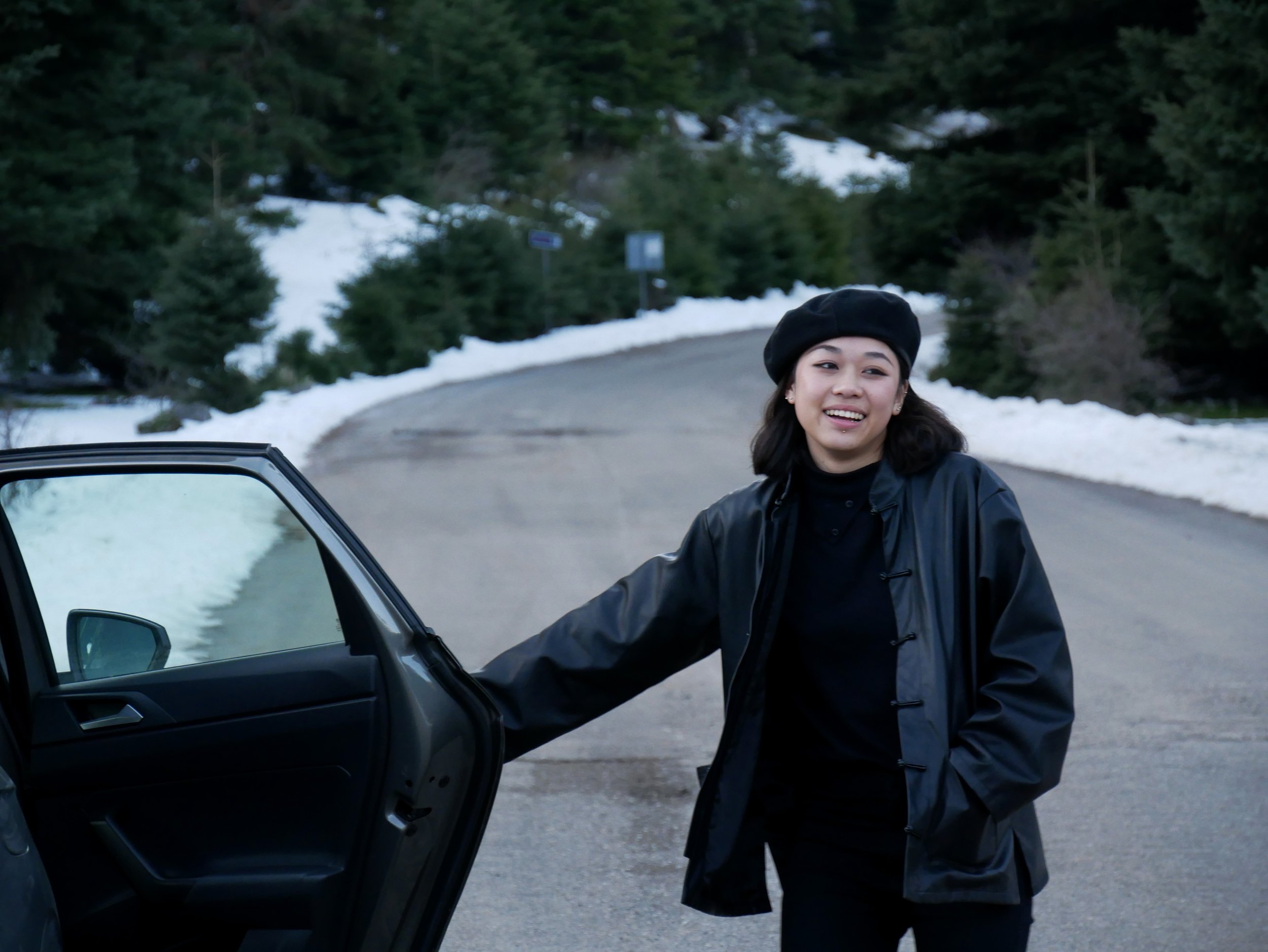
Lova opening the door - 2019 - Digital photograph
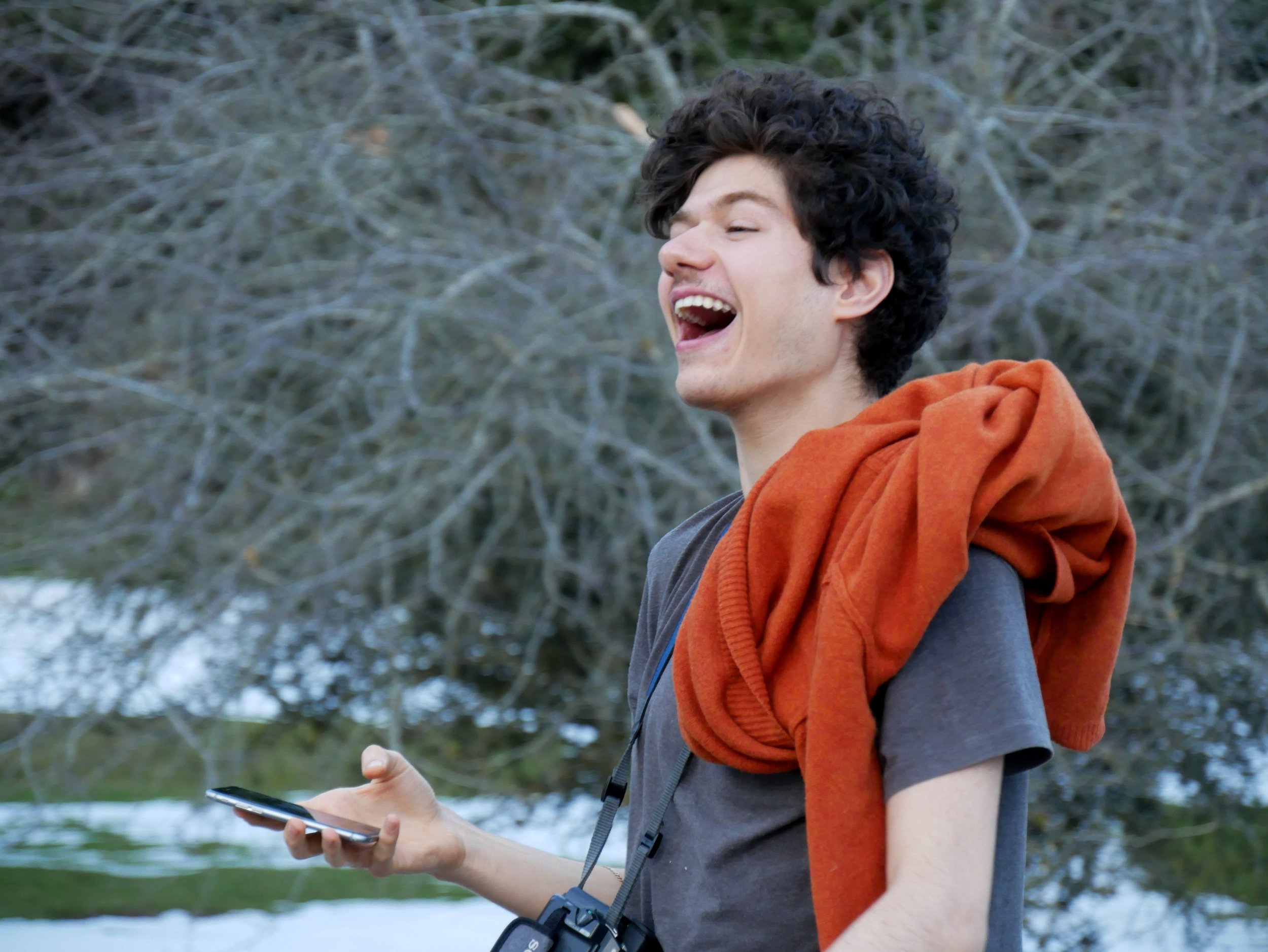
Thanasis laughing to a joke - 2019 - Digital photograph
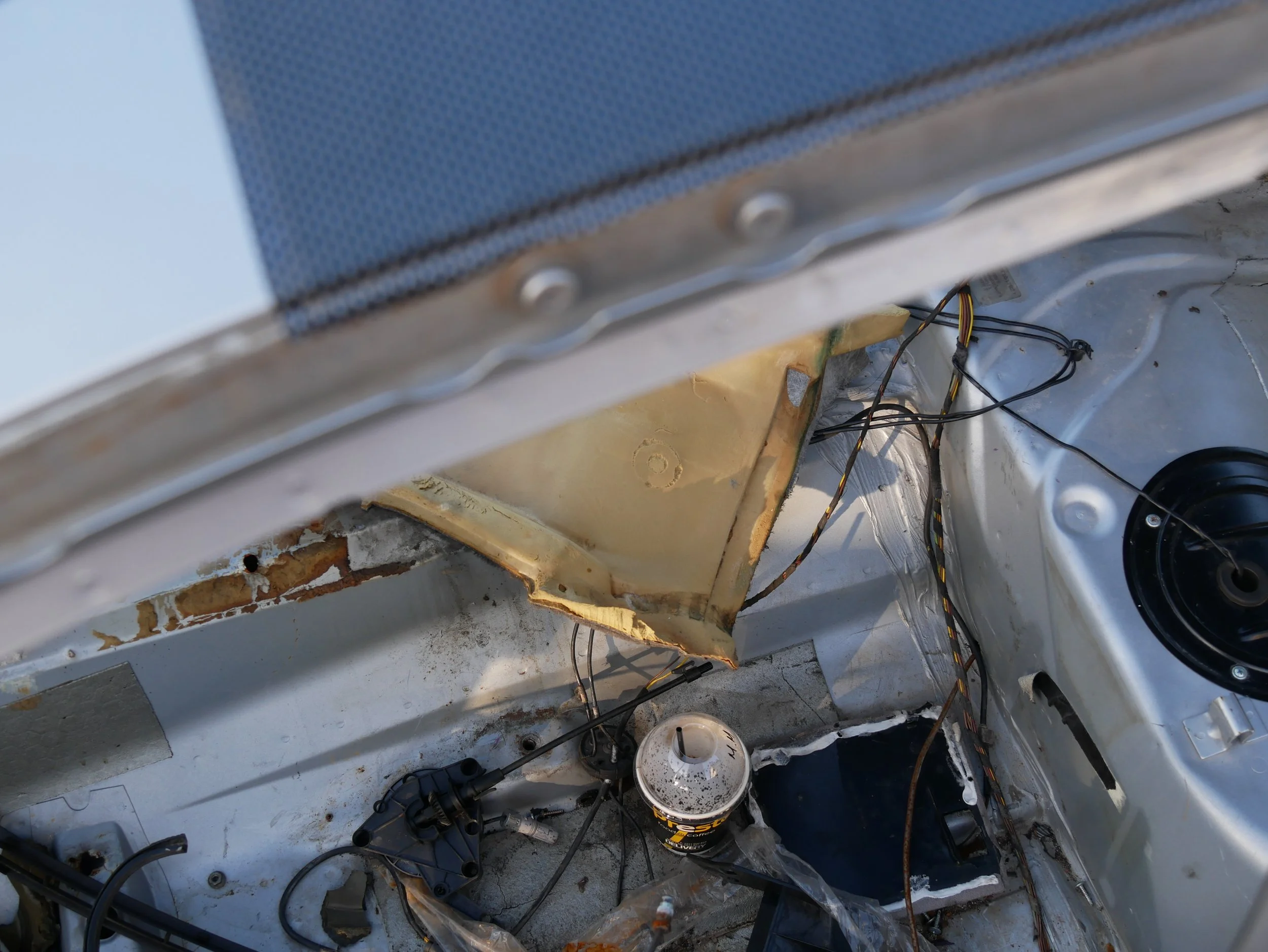
open bar - 2019 - Digital photograph
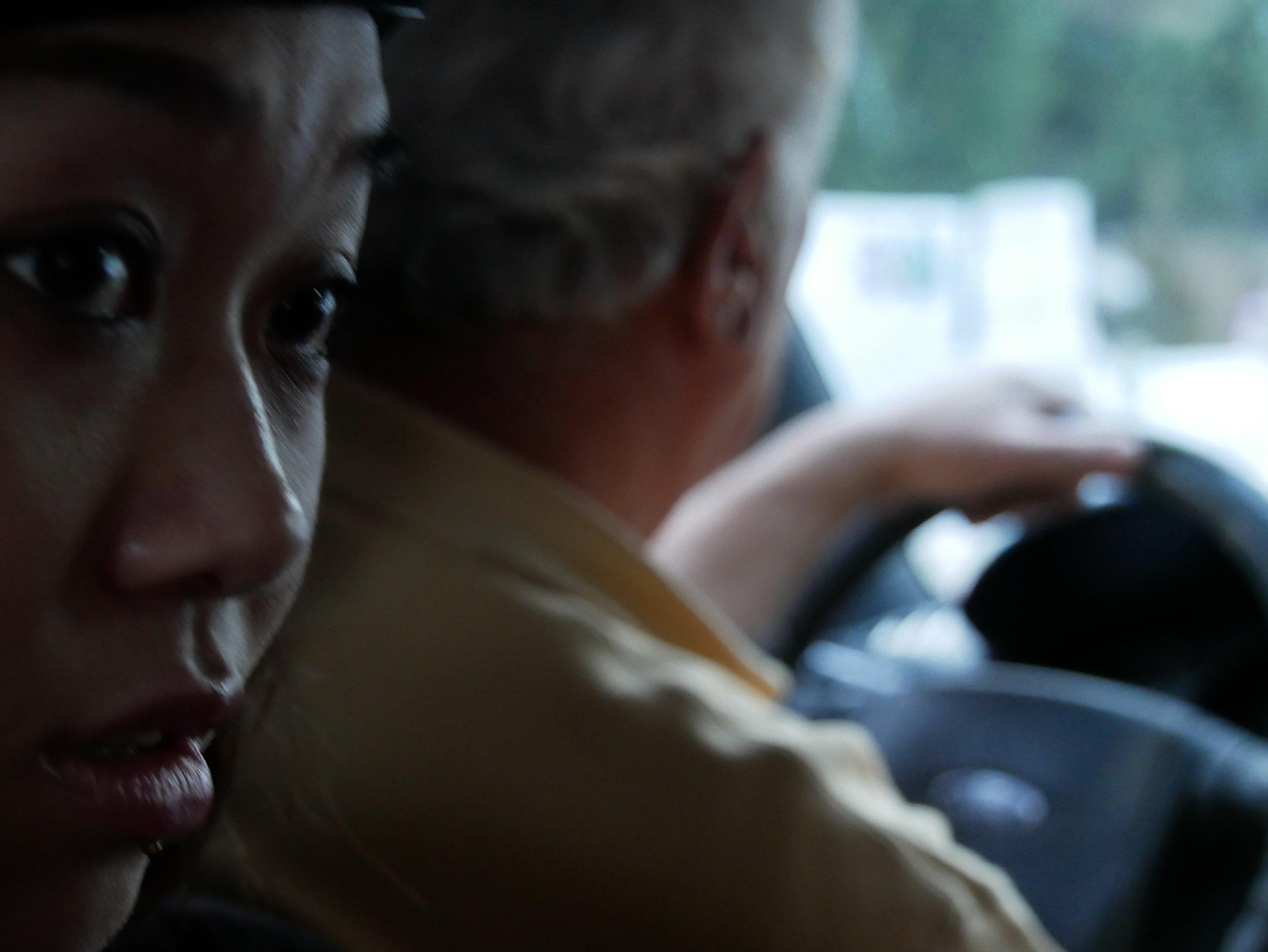
the cemetery - 2019 - Digital photograph
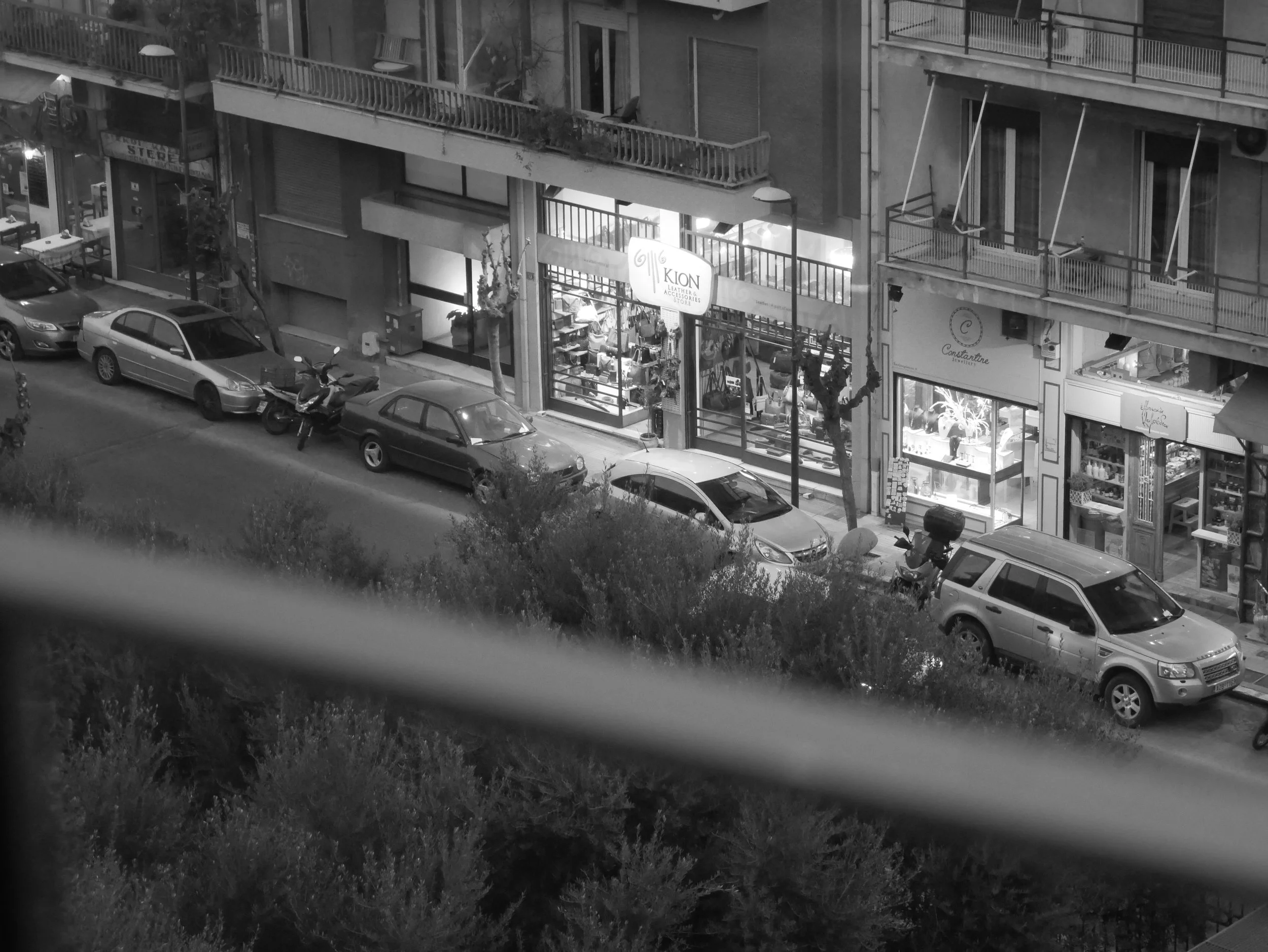
KION - 2019 - Digital photograph
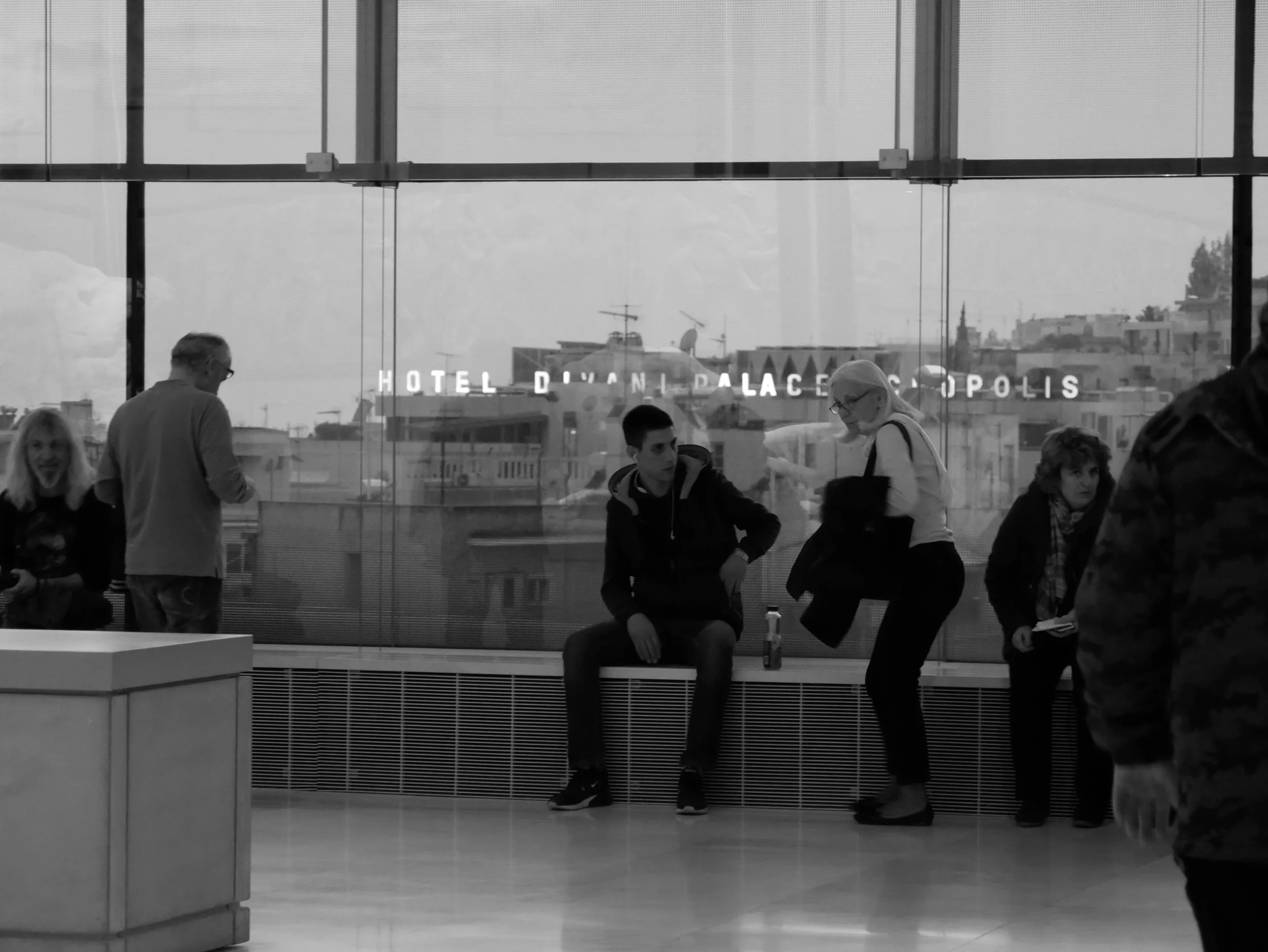
Divani Palace - 2019 - Digital photograph
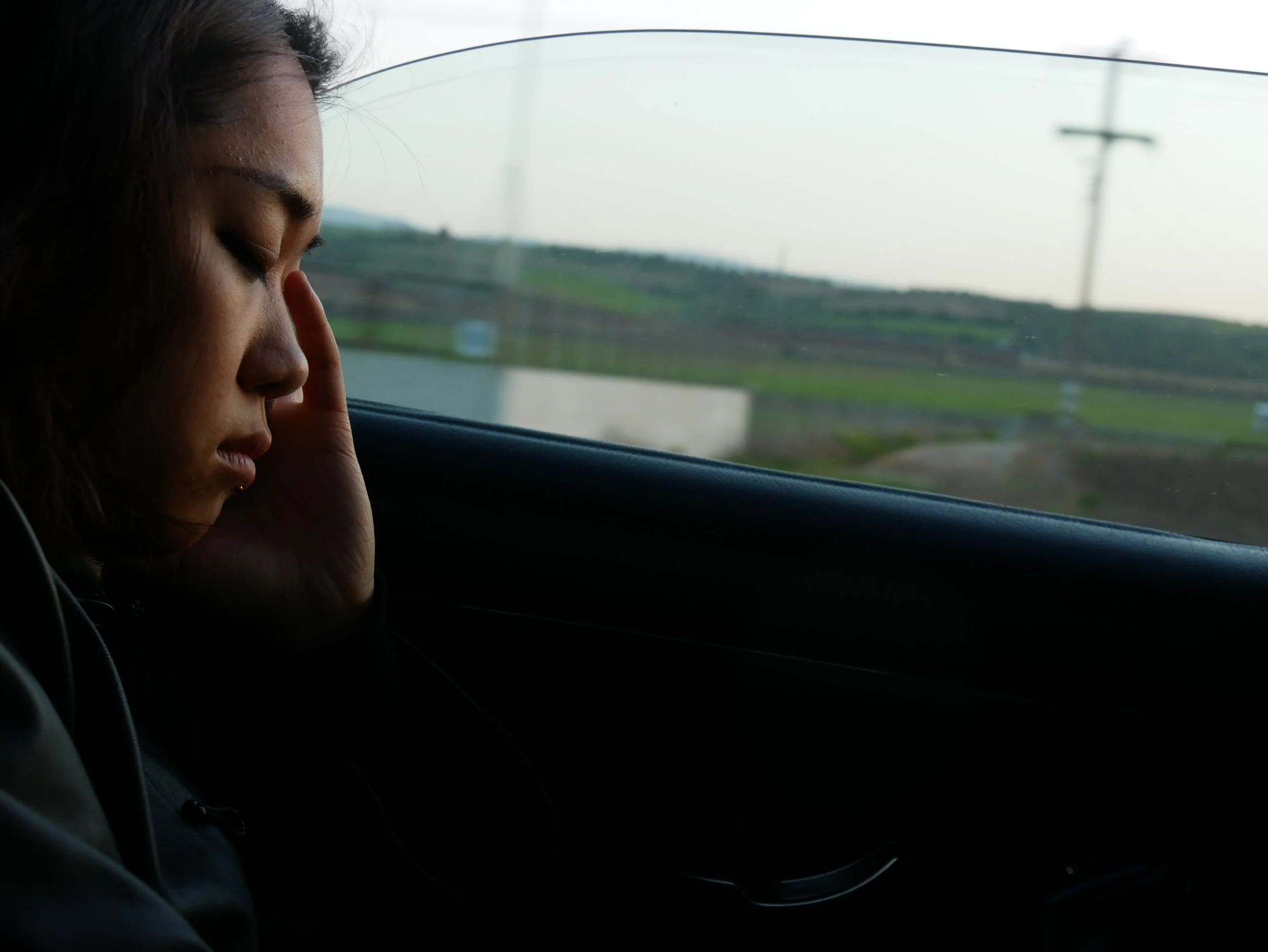
sleep fail - 2019 - Digital photograph
chairs - 2019 - Digital photograph
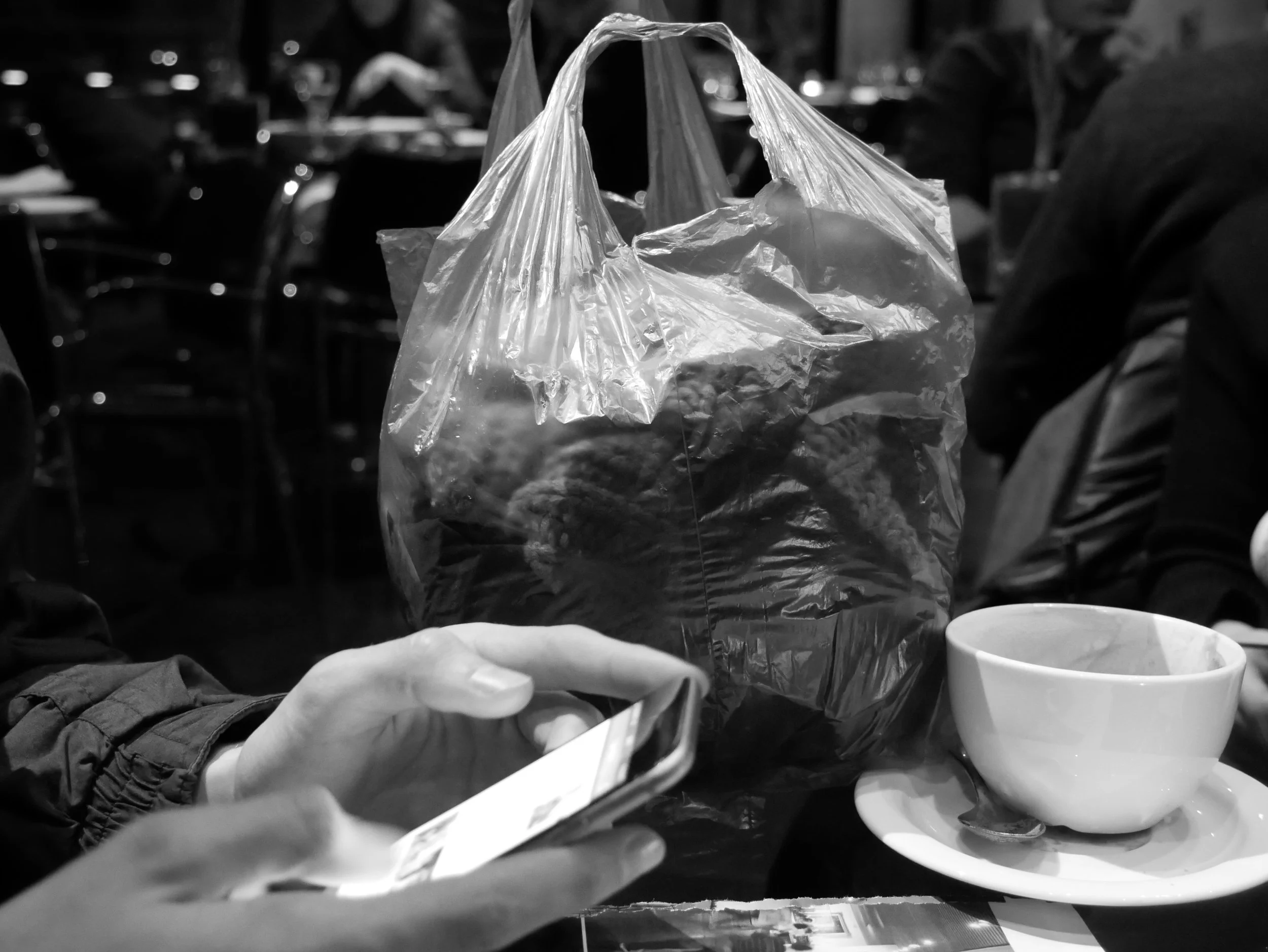
plastic bag - 2019 - Digital photograph
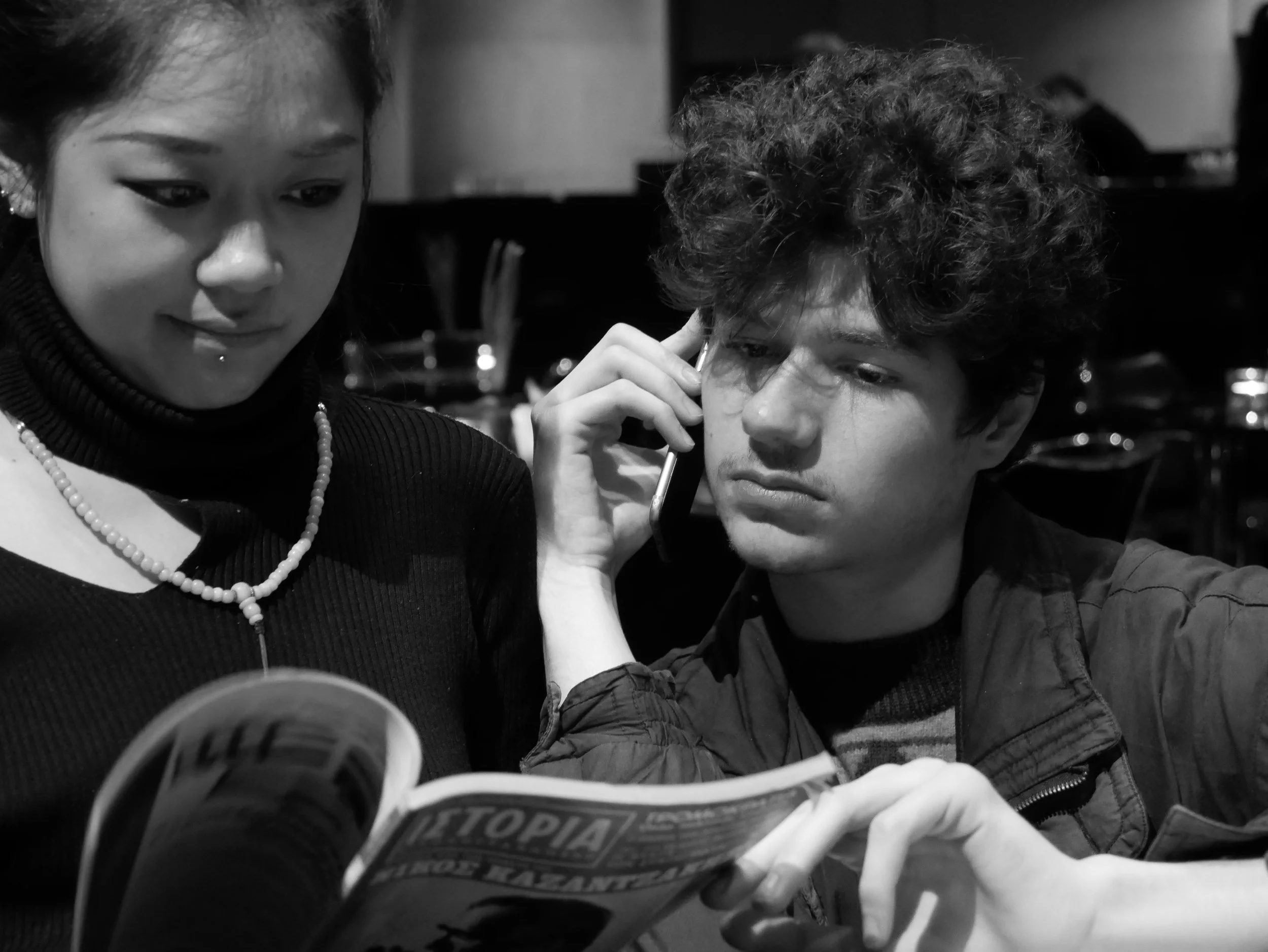
magazine - 2019 - Digital photograph
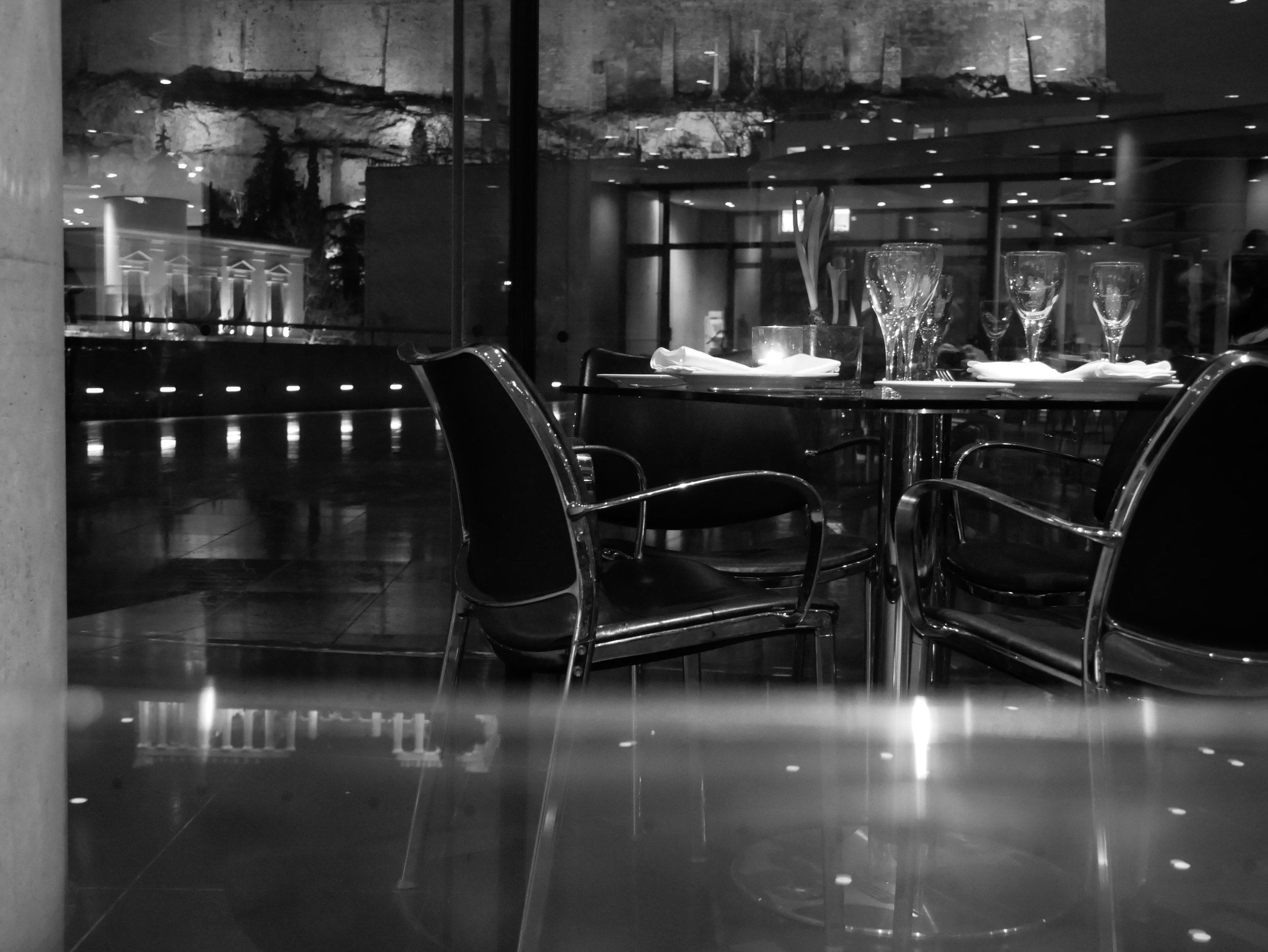
restaurant room - 2019 - Digital photograph
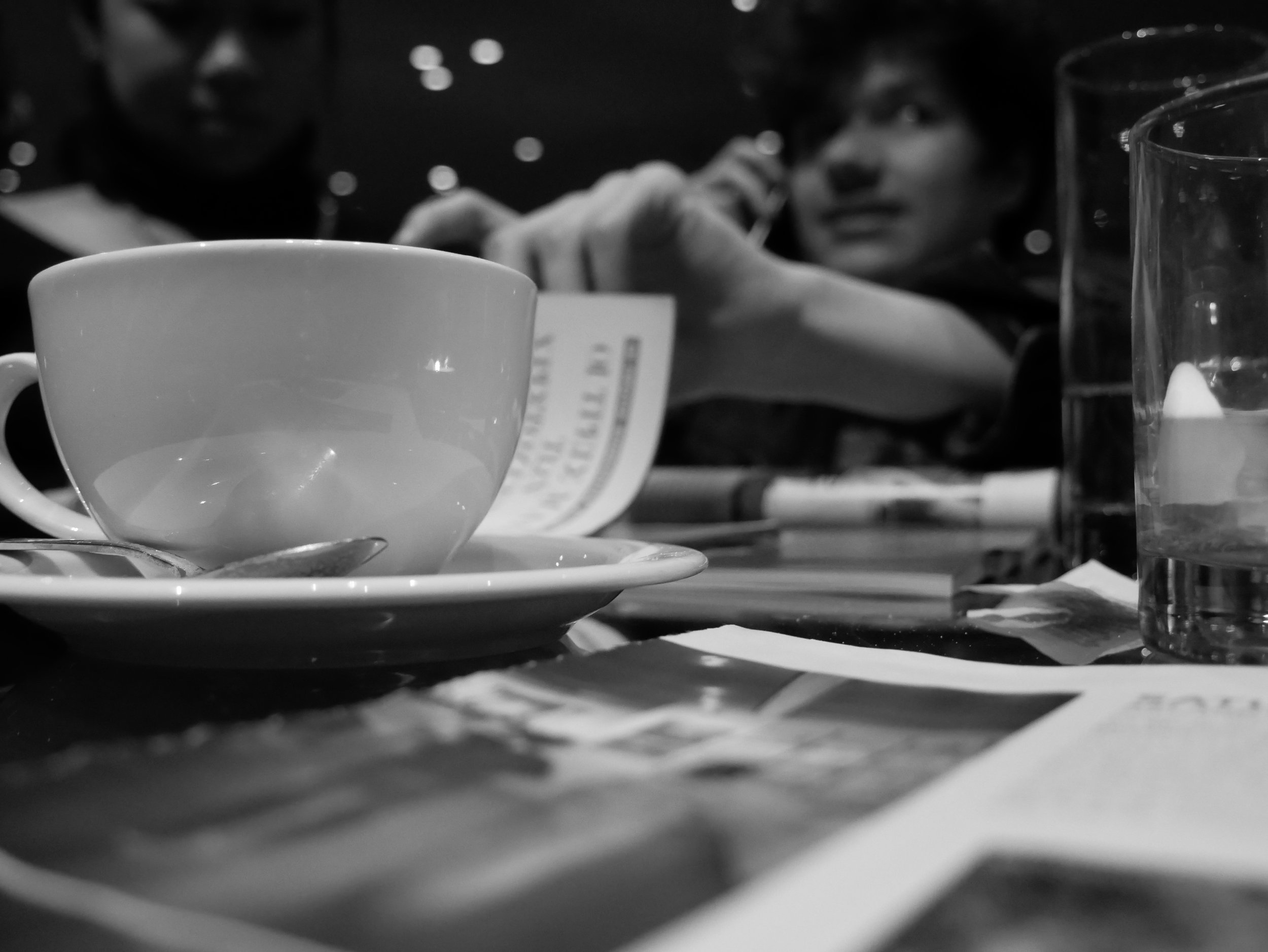
the bill - 2019 - Digital photograph